


|
|
|
|
by Yvette Depaepe
Published the 20st of May 2026
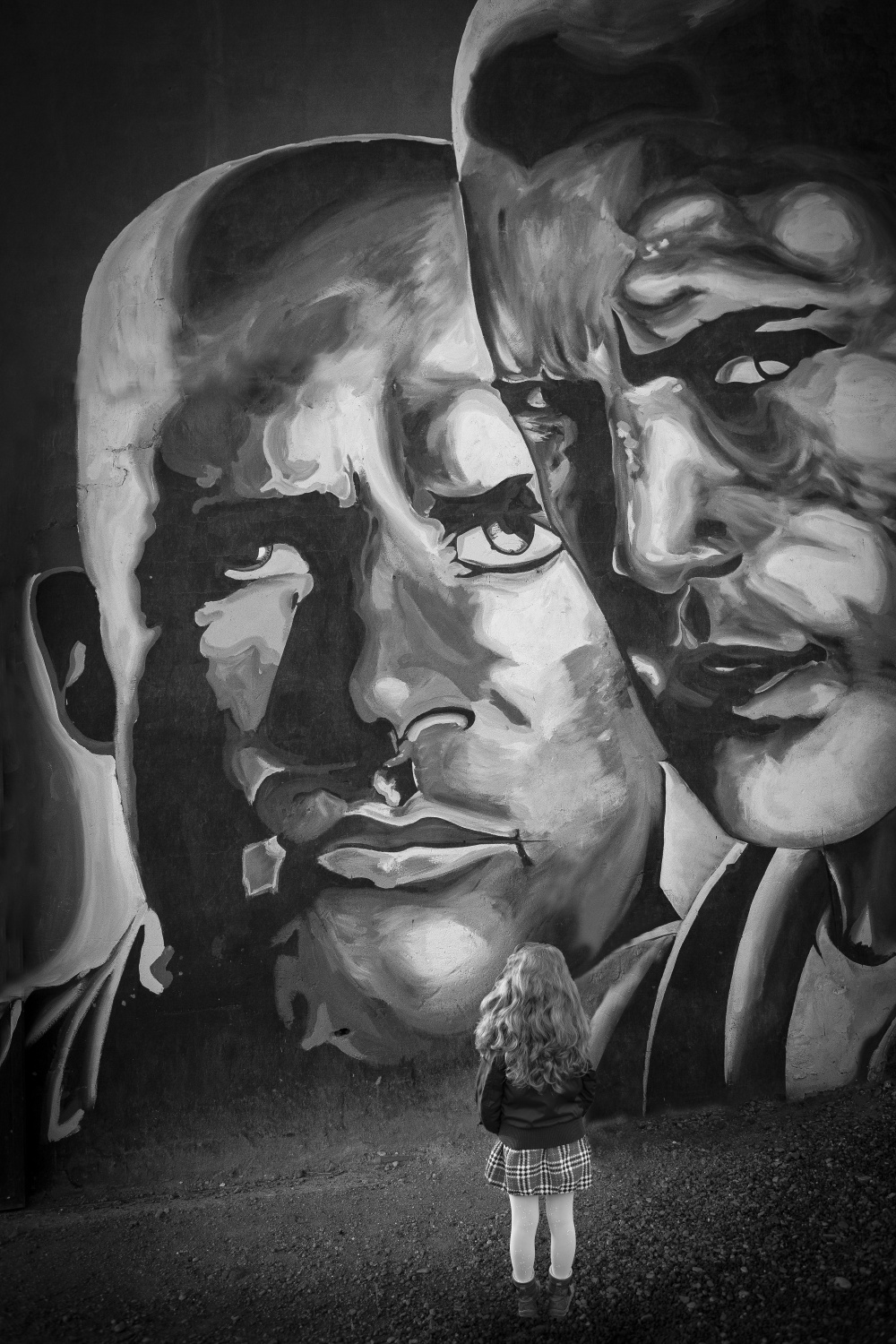
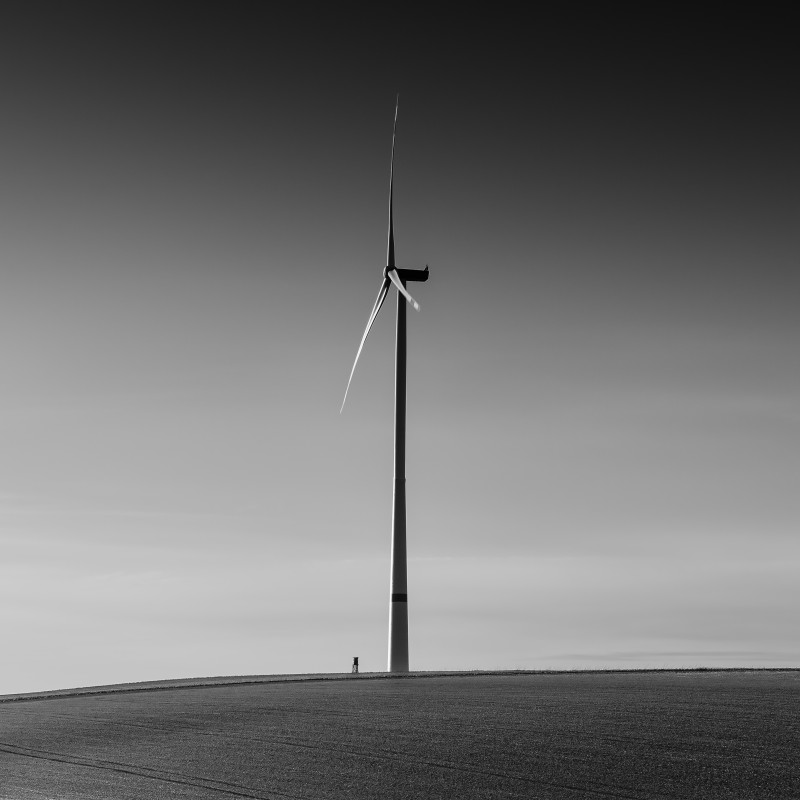
'Tall versus Small'
In photography, the contrast between tall and small is a powerful visual tool that conveys not only physical size, but also emotion, hierarchy, vulnerability and strength. By manipulating proportion and perspective, photographers can influence our emotional response to a scene. Thank you for the wide range of subjects, from landscapes to street photography to wildlife photography.
The winners with the most votes are:
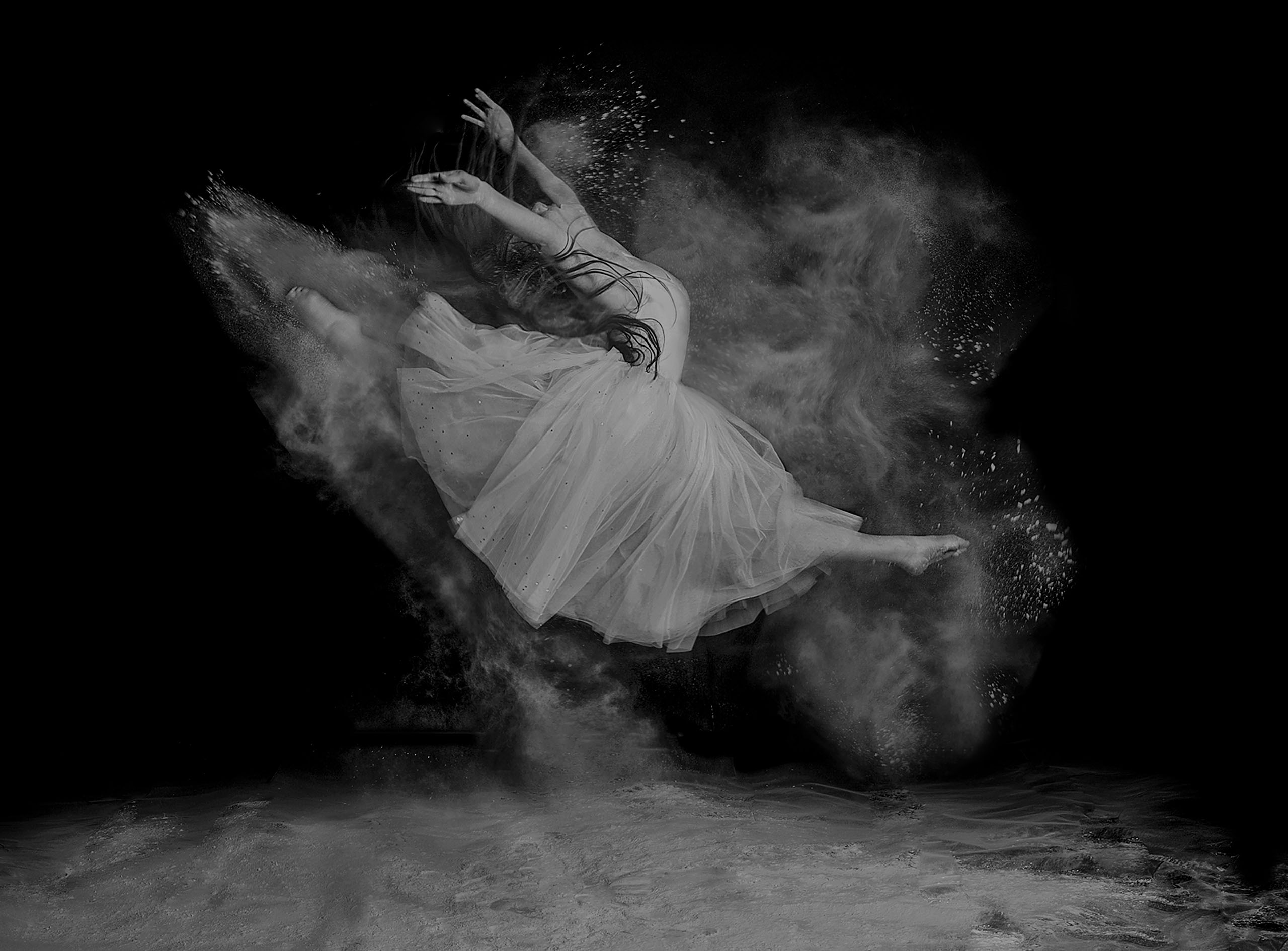
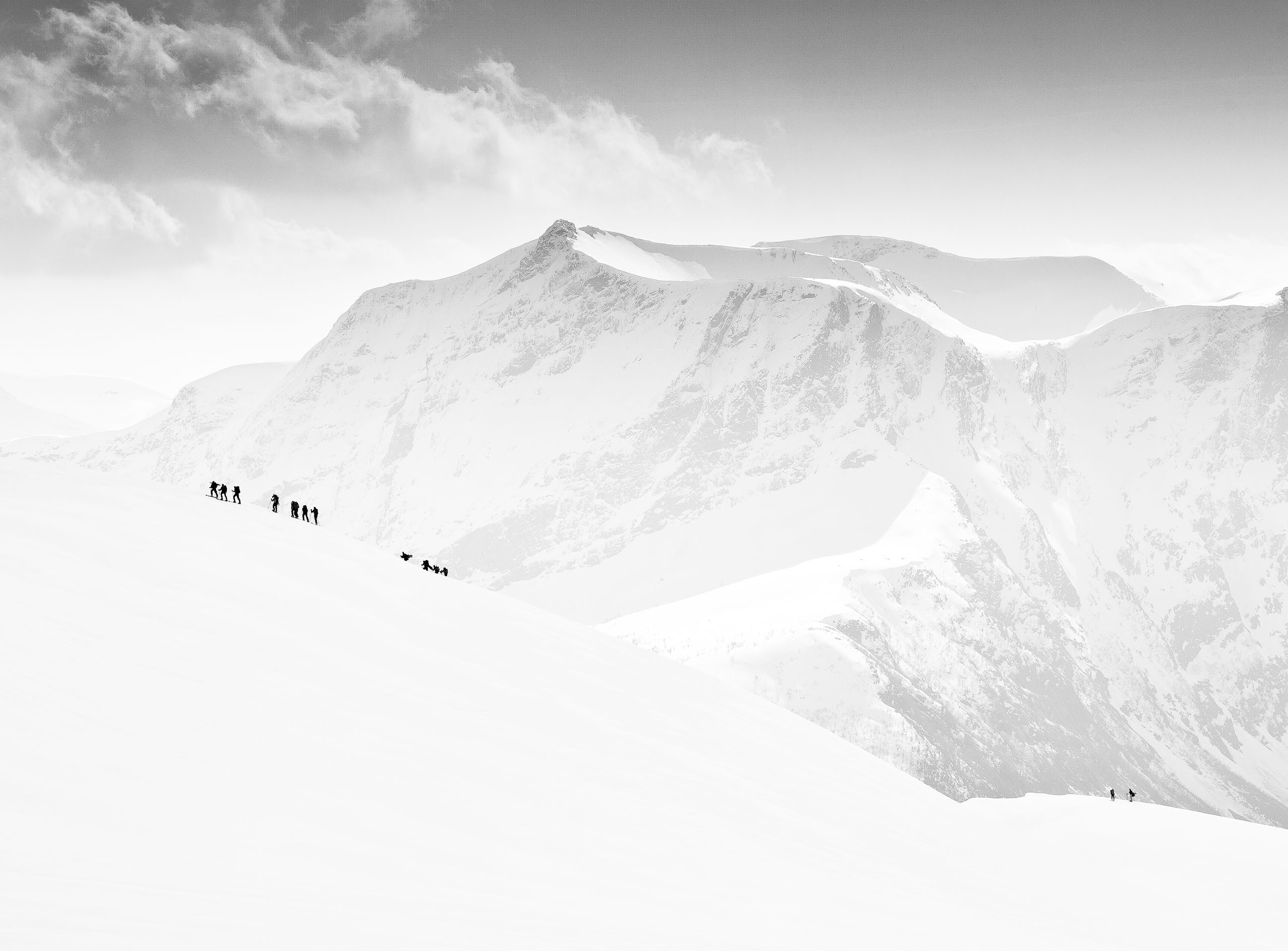
1st place : Bror Johansson
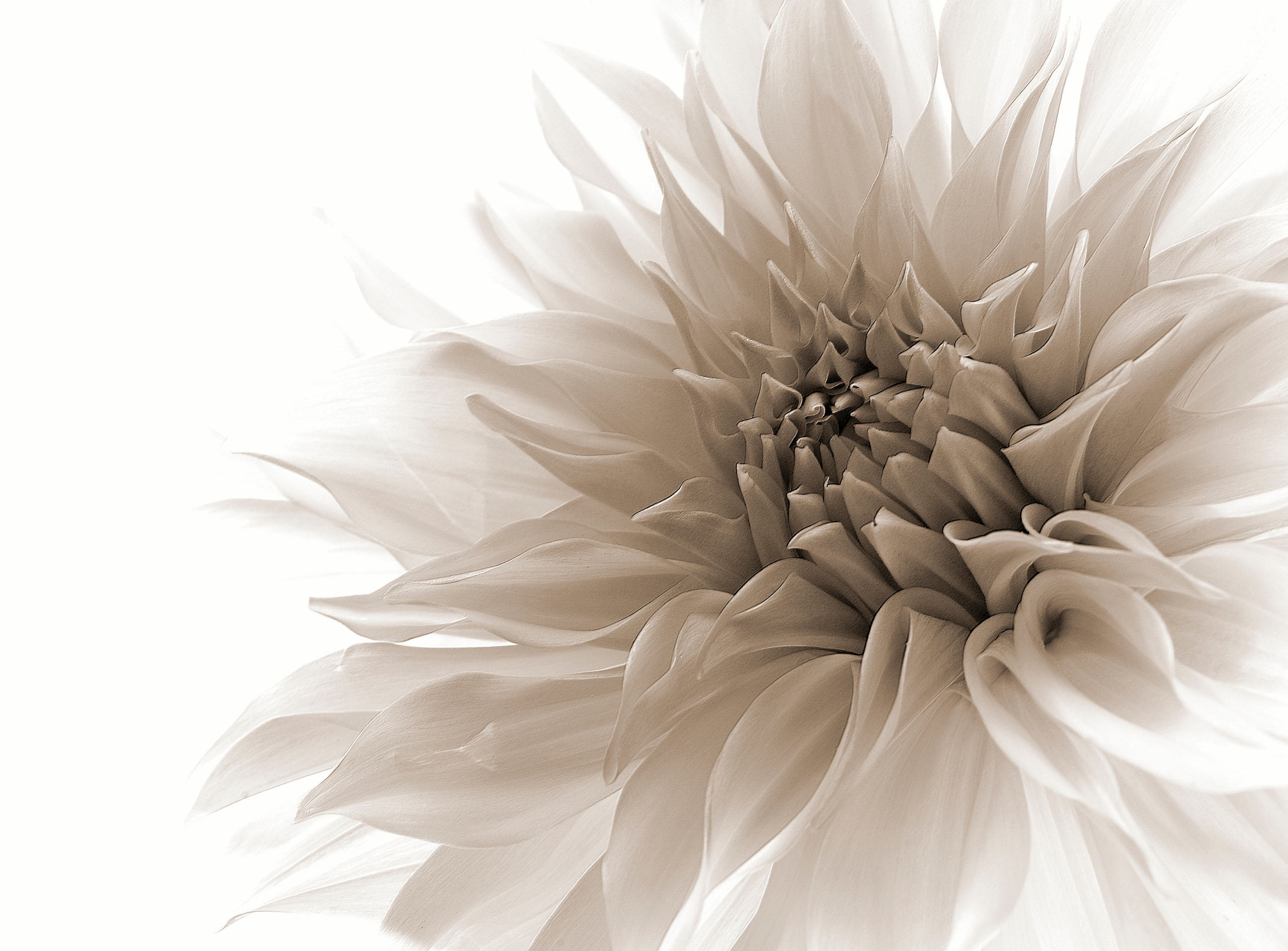
2nd place: Giorgio Toniolo
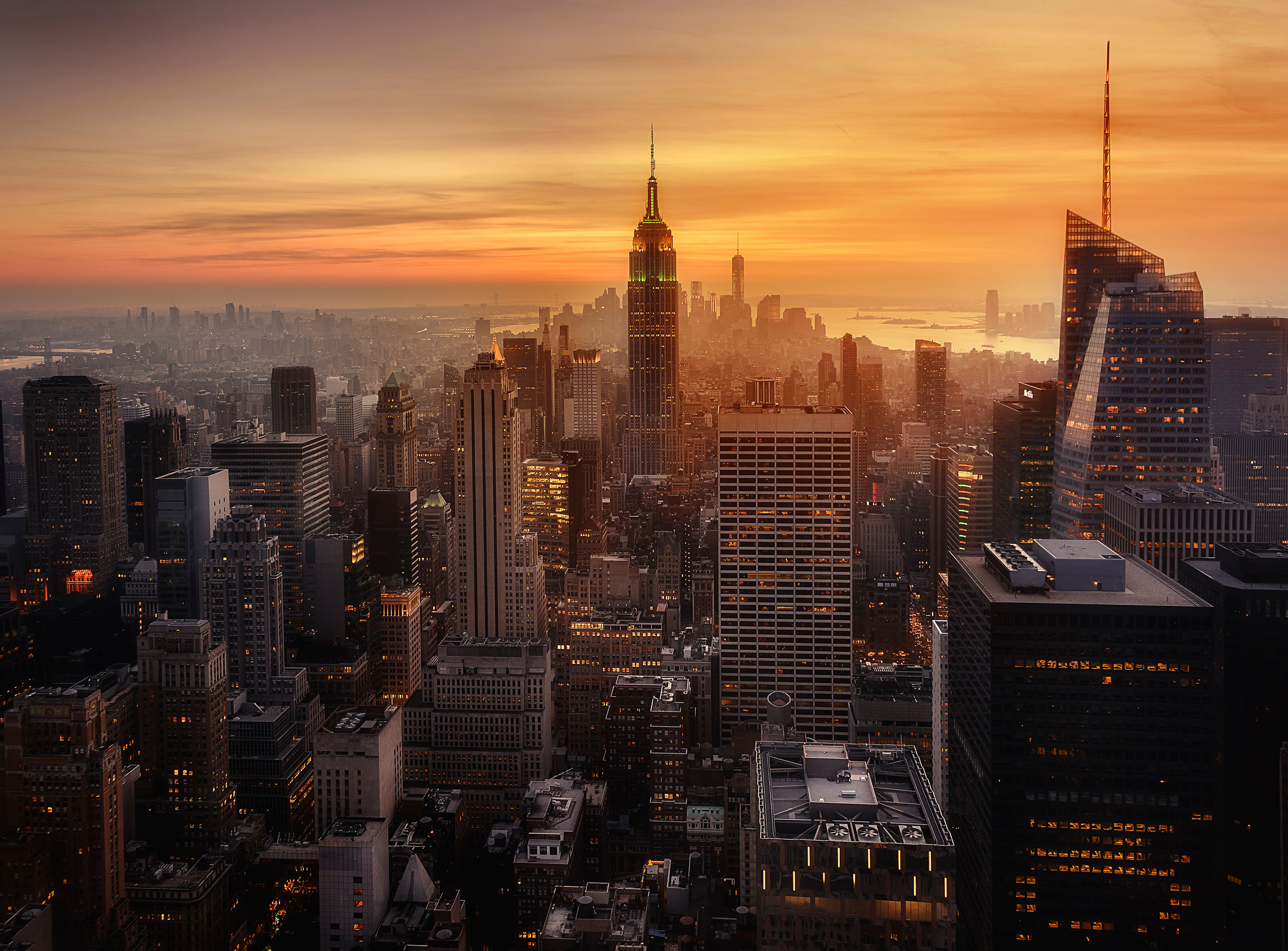
3rd place : Jorge Pimenta
Congratulations to the winners and honourable mentions.2nd
Thanks to all the participants in the contest 'Tall versus Small'
The currently running theme is 'Dreams made of paper'
Paper holds more than ink — it holds possibility. Pages become landscapes, books become doorways and folded sheets tutn into quiet architectures of dreams.
This contest will end on Tuesday the 2nd of June 2026 in the afternoon.
The sooner you upload your submission the more chance you have to gather the most votes.
If you haven't uploaded your photo yet, click here.
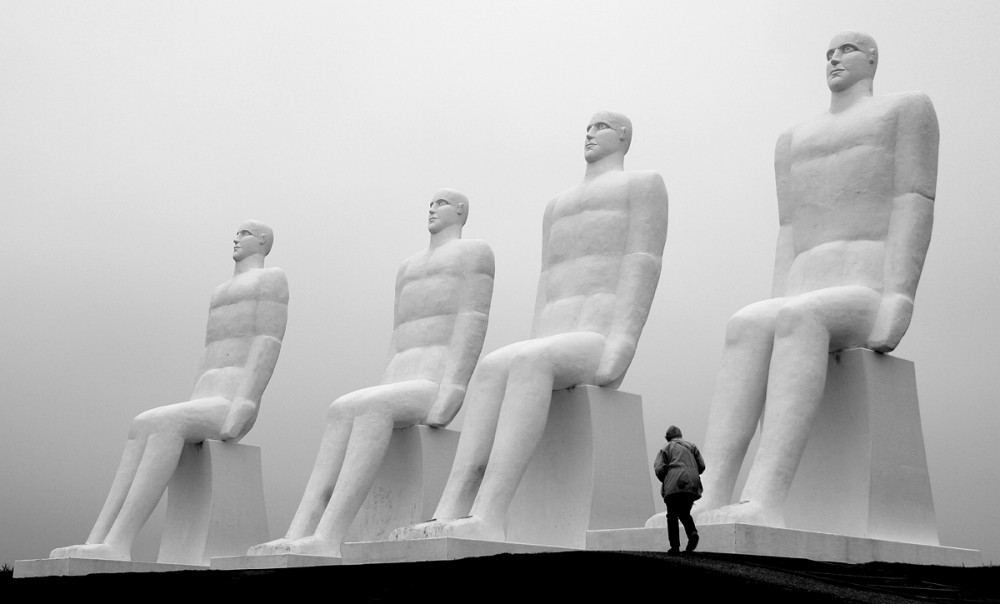
1st place: Bror Johansson
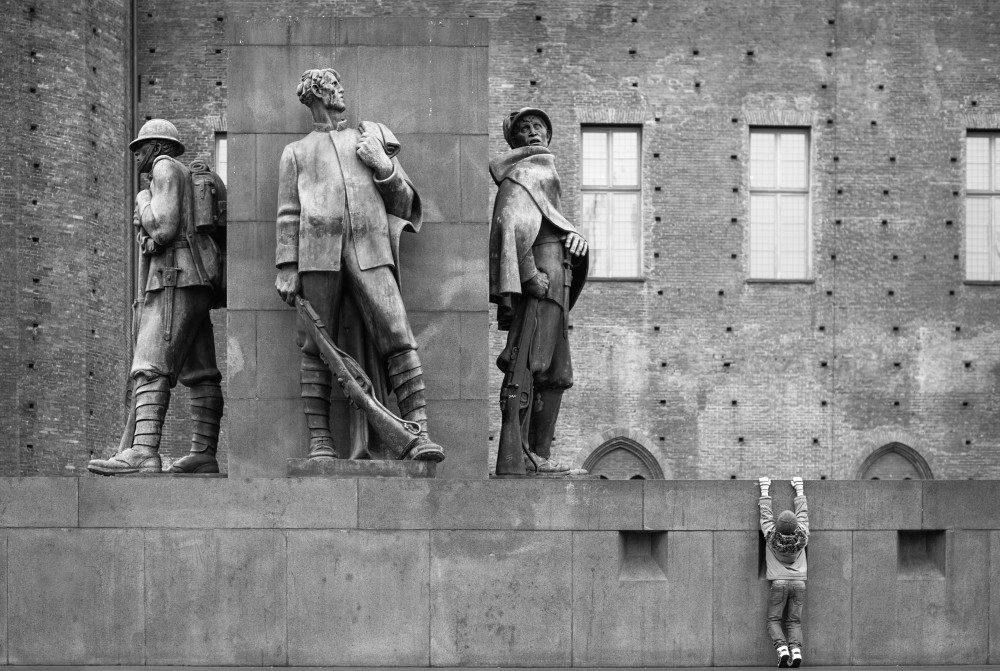
2nd place: Giorgio Toniolo
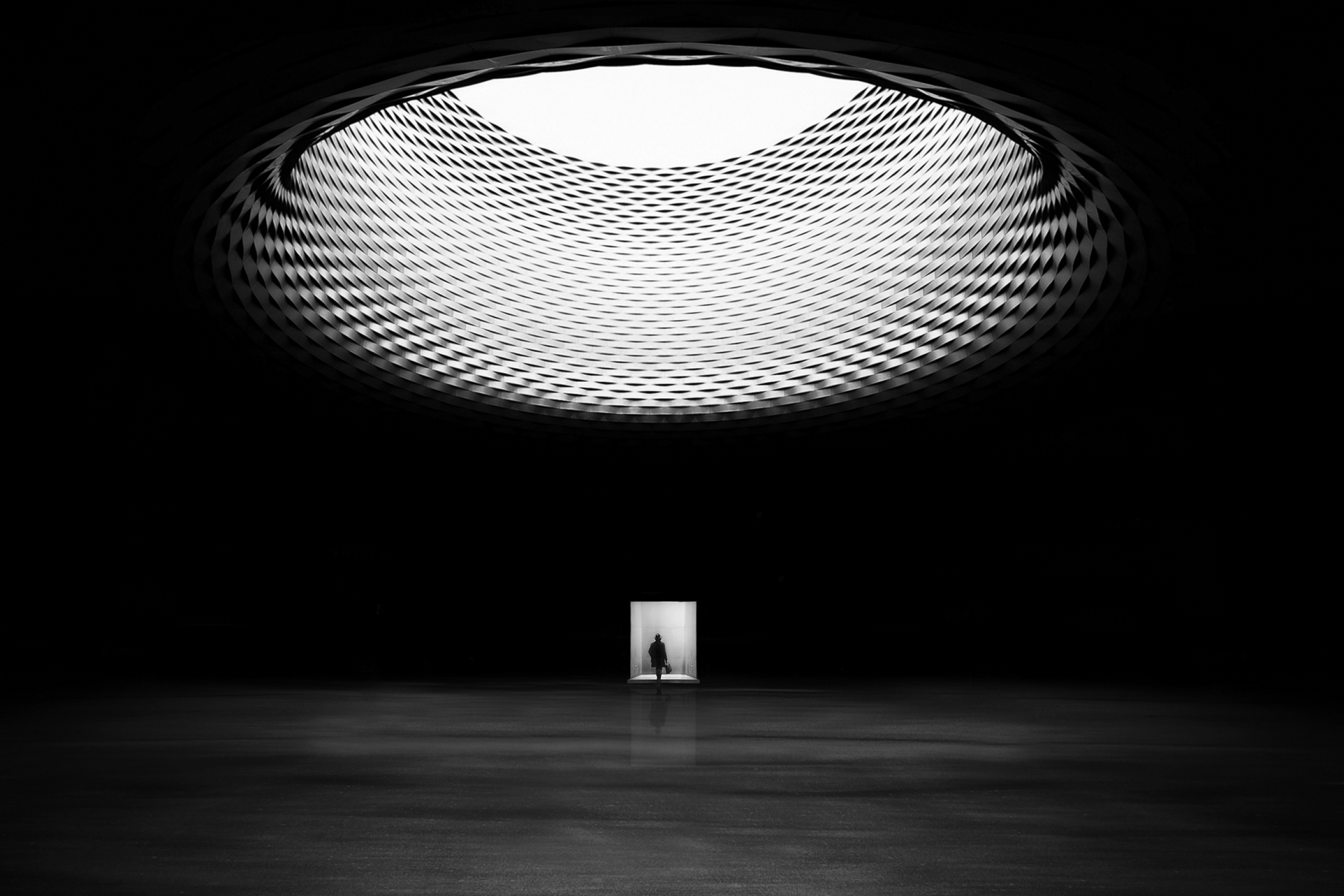
3rd place: Jorge Pimenta
HONOURABLE MENTIONS
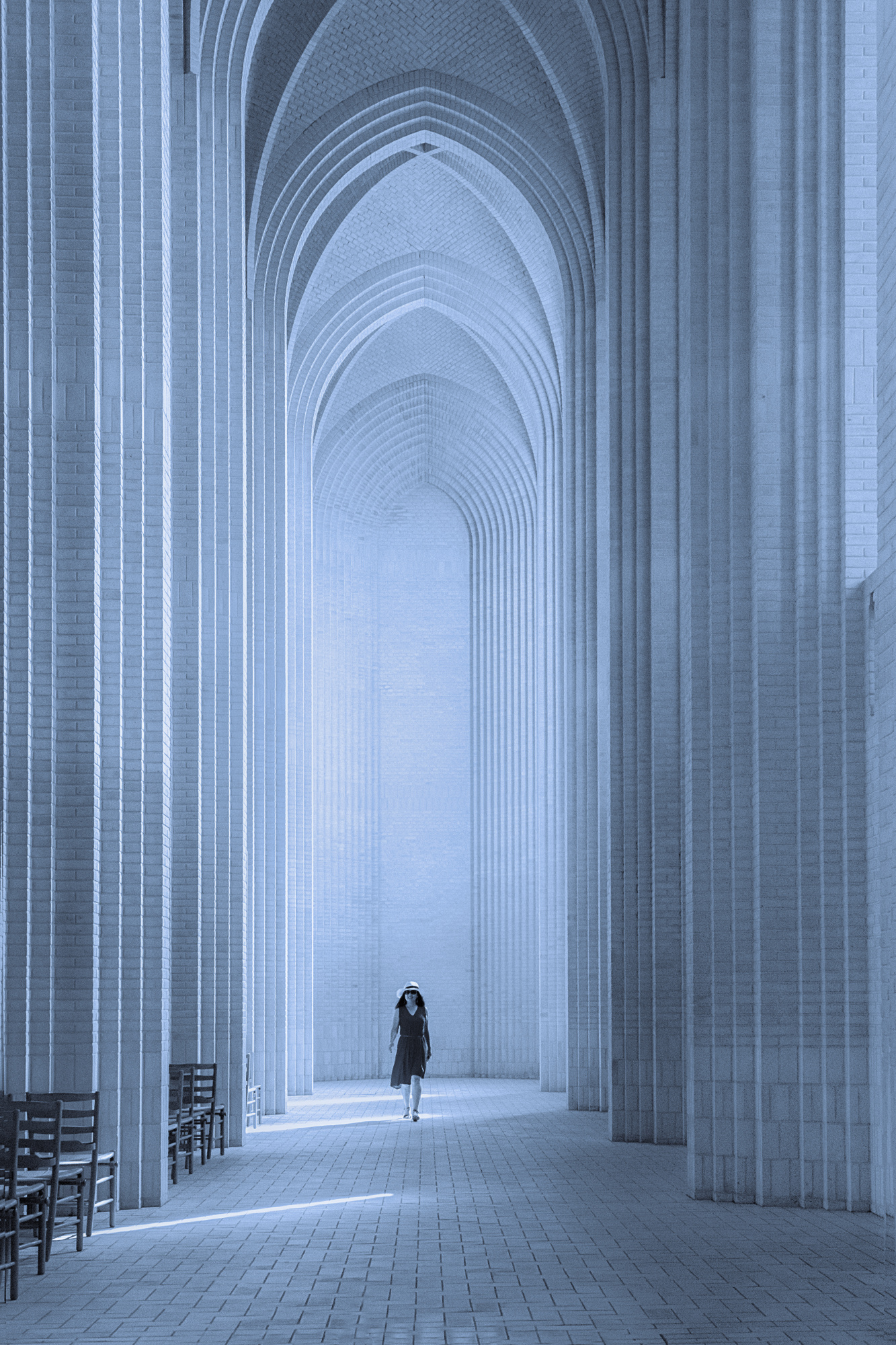
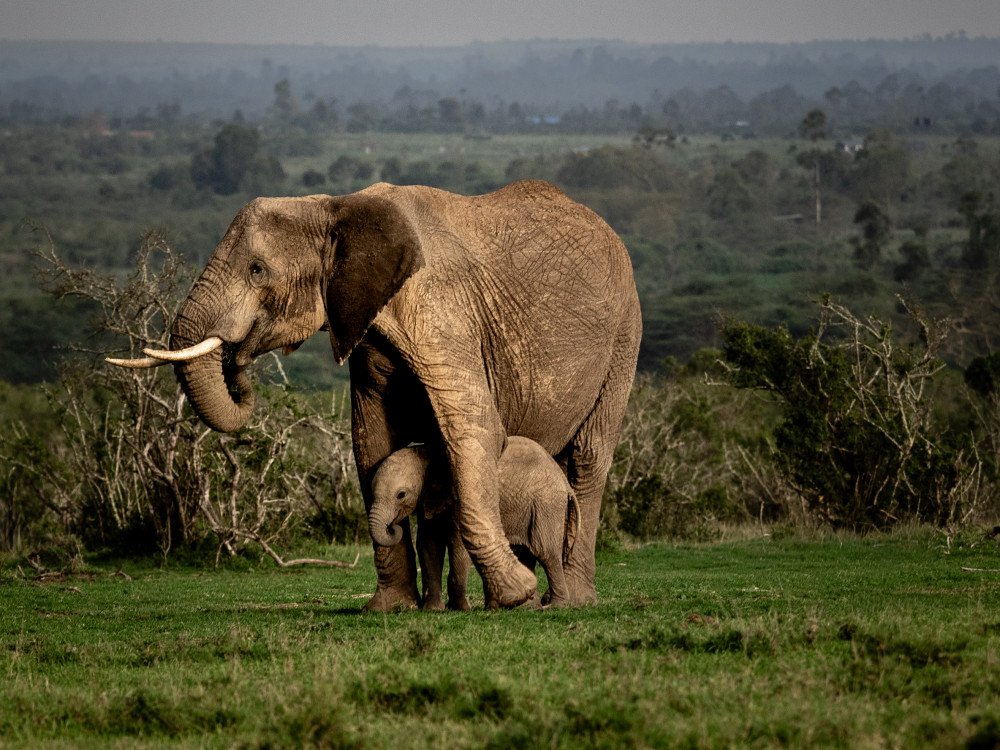
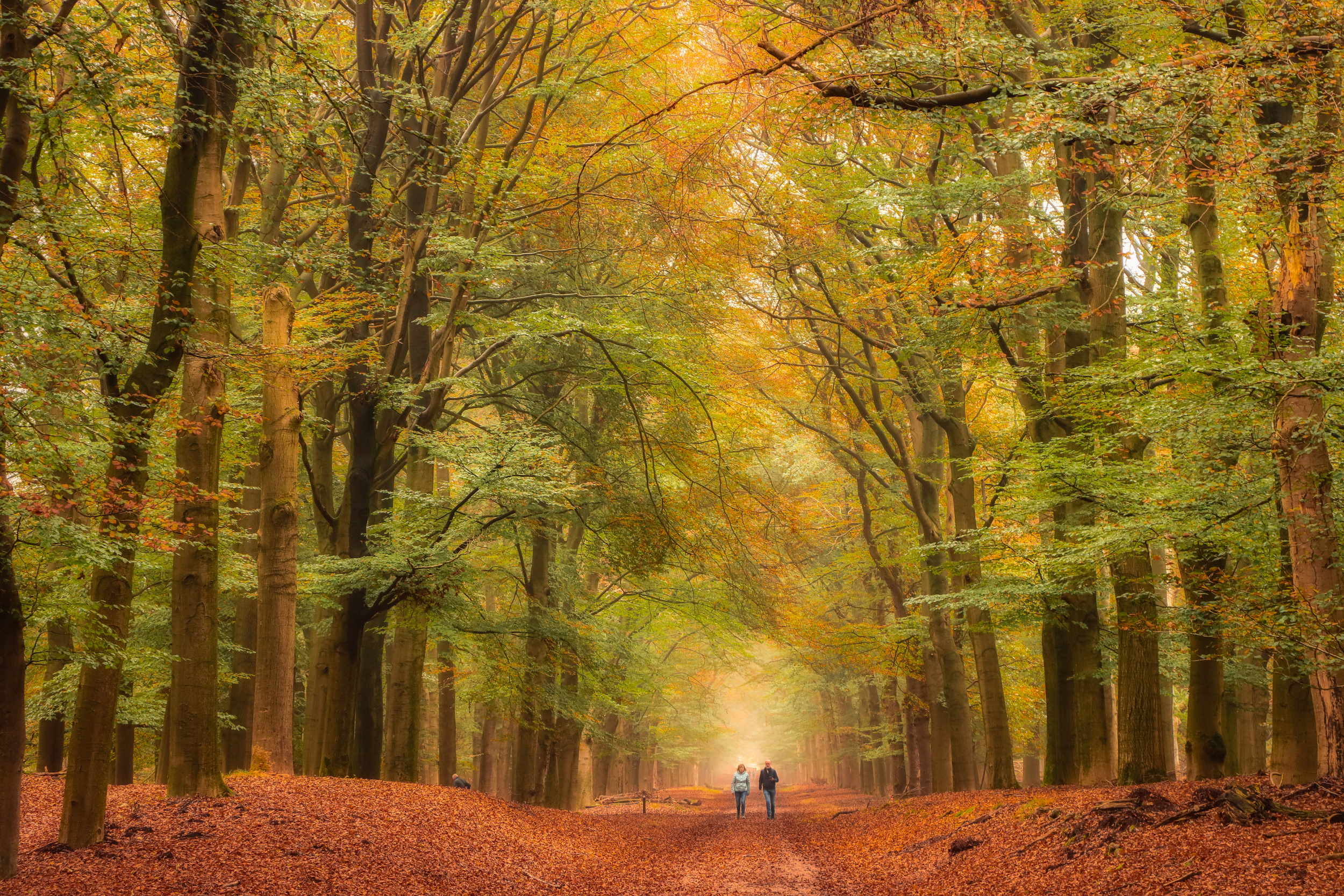
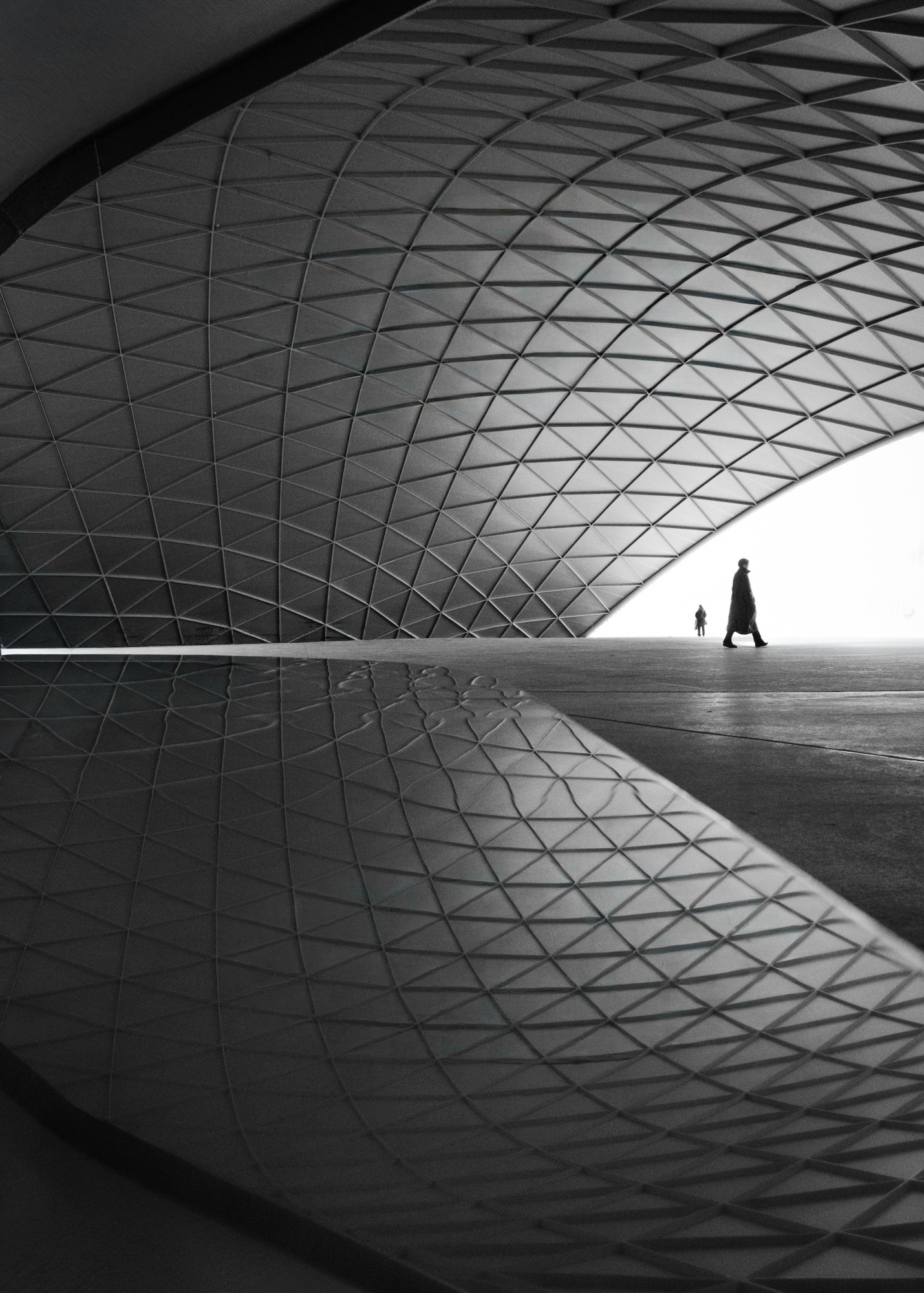
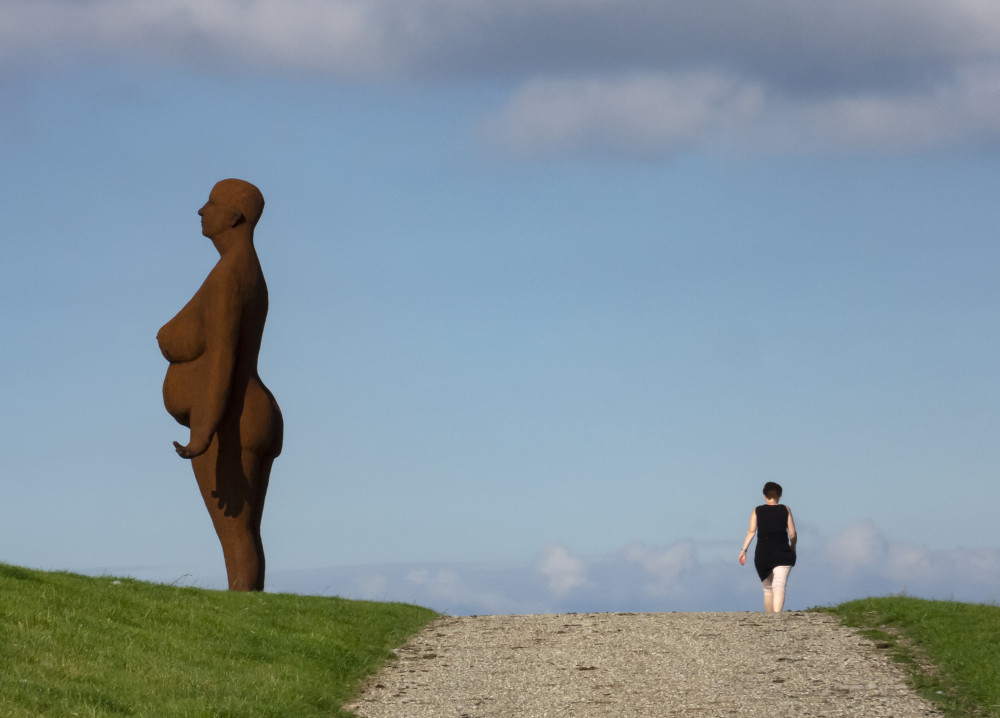
You can see the names of the TOP 50 here.
The contests are open to everybody except to crew members.
Submitting images already published / awarded on 1x is allowed.
 | Write |
by Yvette Depaepe
Published the 18th of May 2026
Yanny Liu 's work and photographic vision are gently influenced by Eastern art philosophy, in which harmony, mood, and suggestion are valued more highly than direct expression. She aims to document not only what she sees, but also the connections she has with the world, which she explores more intentionally through her camera. She says that if it weren't for photography, she would never have discovered so many places, moments and ways of seeing life. Read on to find out more about Yanny and the person behind her images.
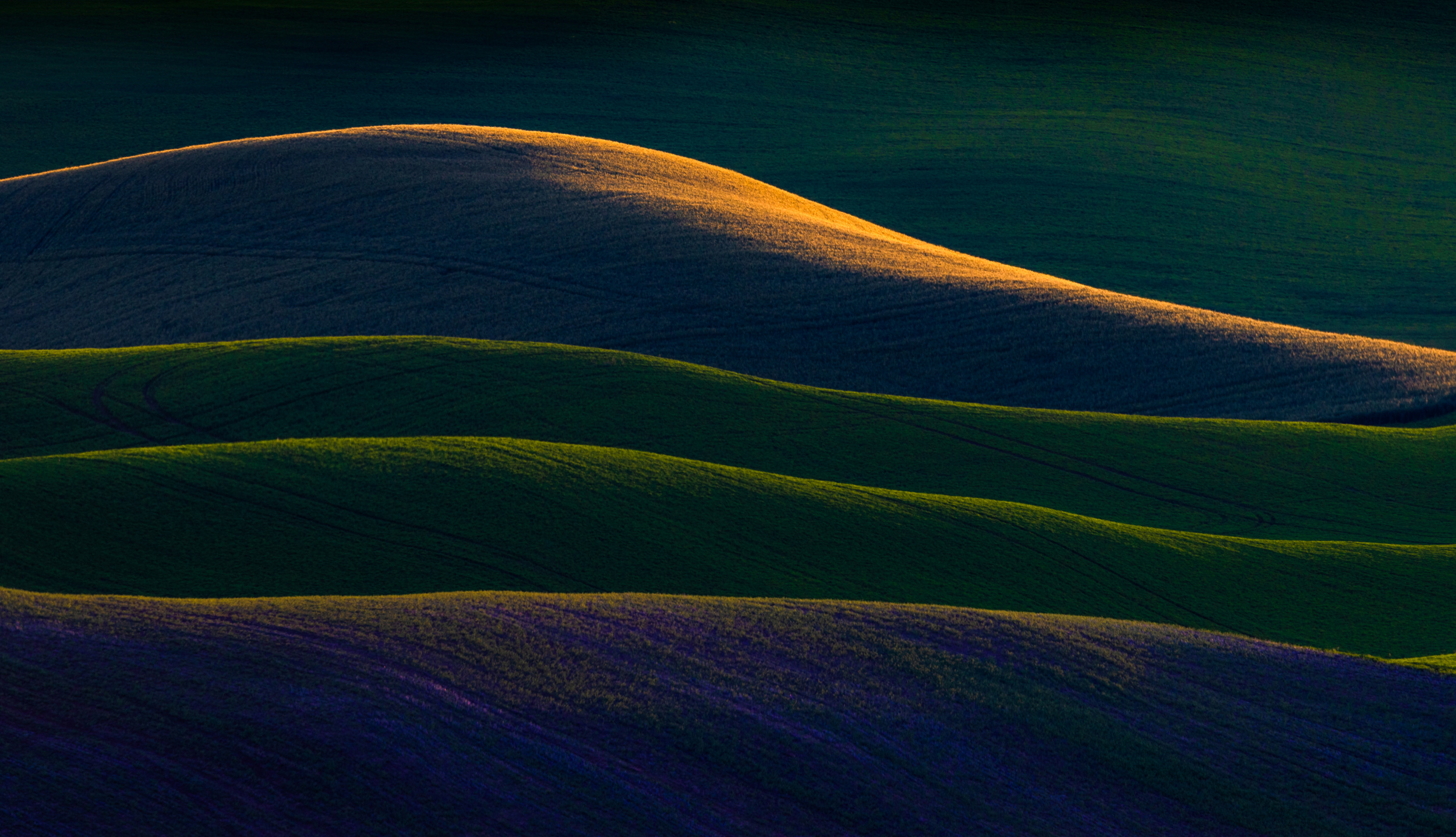
‘Flowing of wheatland’
Dear Yanny, could you please start by introducing yourself briefly and telling us about your hobbies?
Also, could you describe any other projects you are involved in?
I’m Yanny Liu, a resident of Maryland in the USA. I have a master’s degree in Statistics. Although my interests span literature, history and music, I have become most passionate about photography over the years. I’m particularly inspired by landscapes, wildlife and artistic photography.
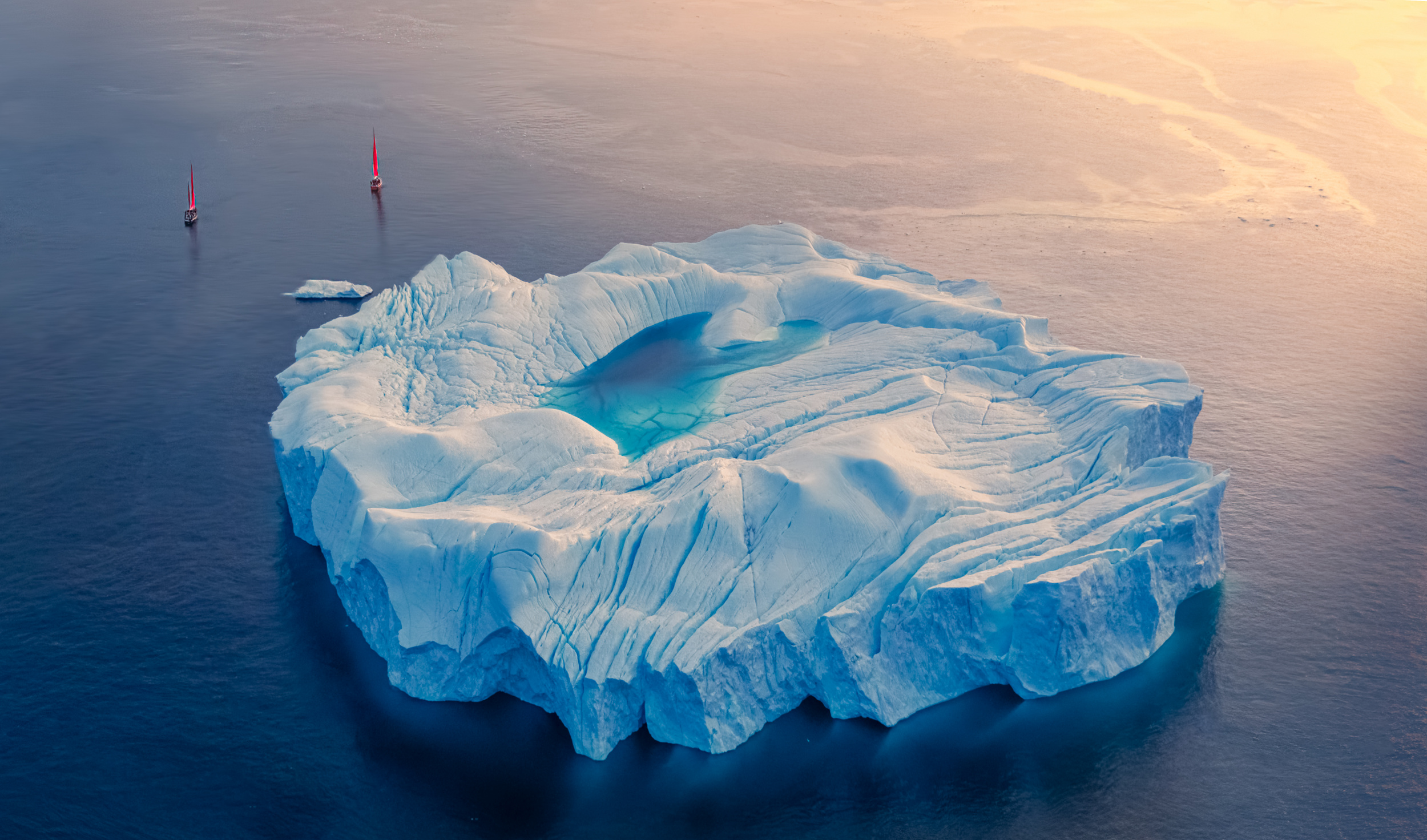
‘Red wings with blue ice’
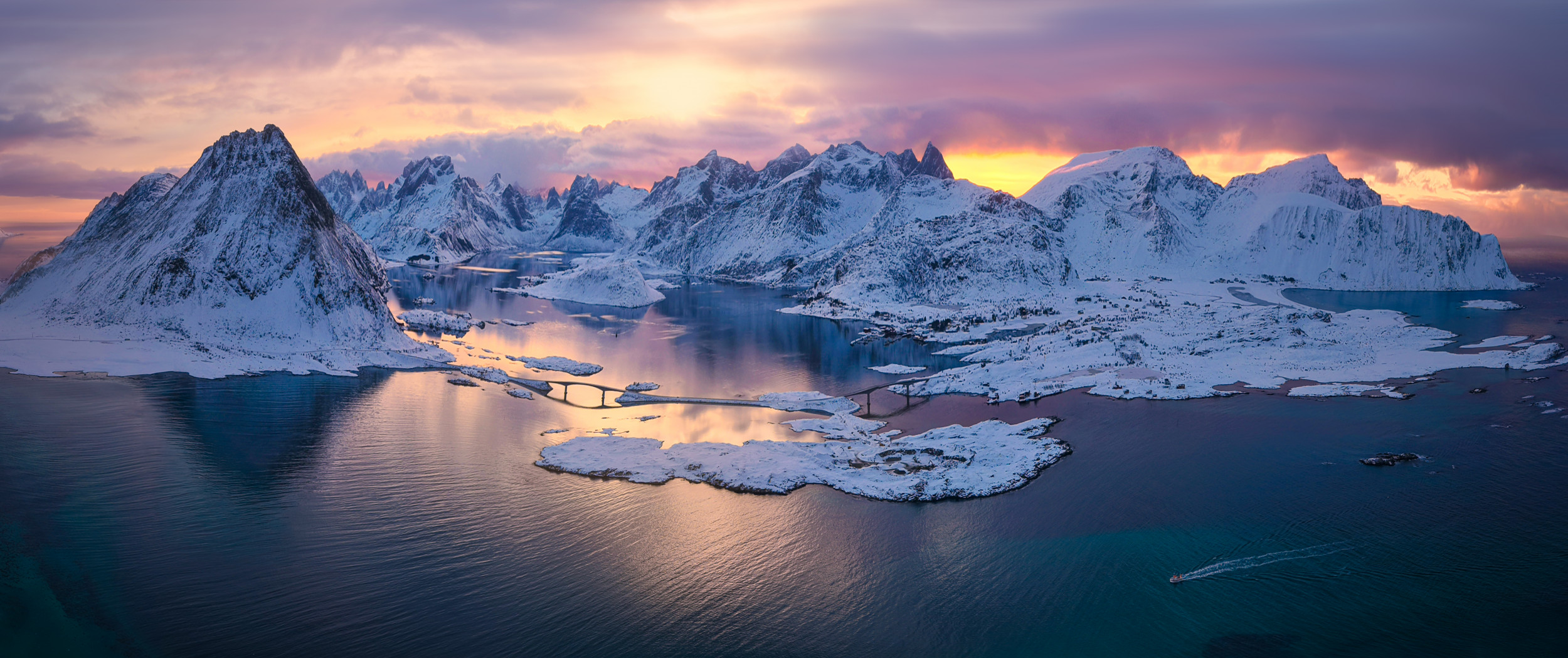
‘Lofoten’
When and how did you first become interested in photography?
I started taking photos in 2017, initially photographing my daughter’s middle school volleyball team. What started as a way to capture her games gradually evolved into a meaningful passion for both photography and documenting my daughter's and her teammates' journey. Over the next five years, I photographed countless matches and tournaments, capturing their growth as well as many unforgettable moments all the way through to her high school graduation.
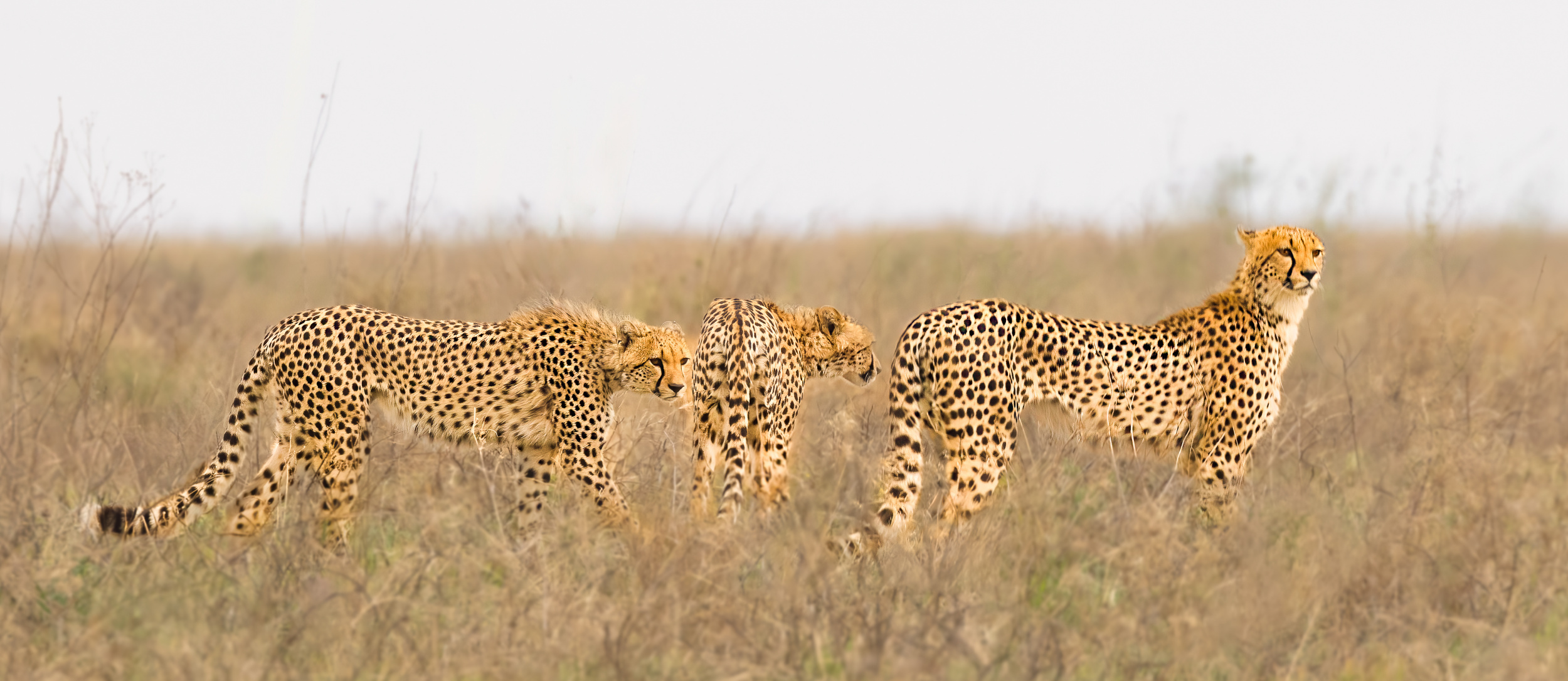
‘Three brothers’
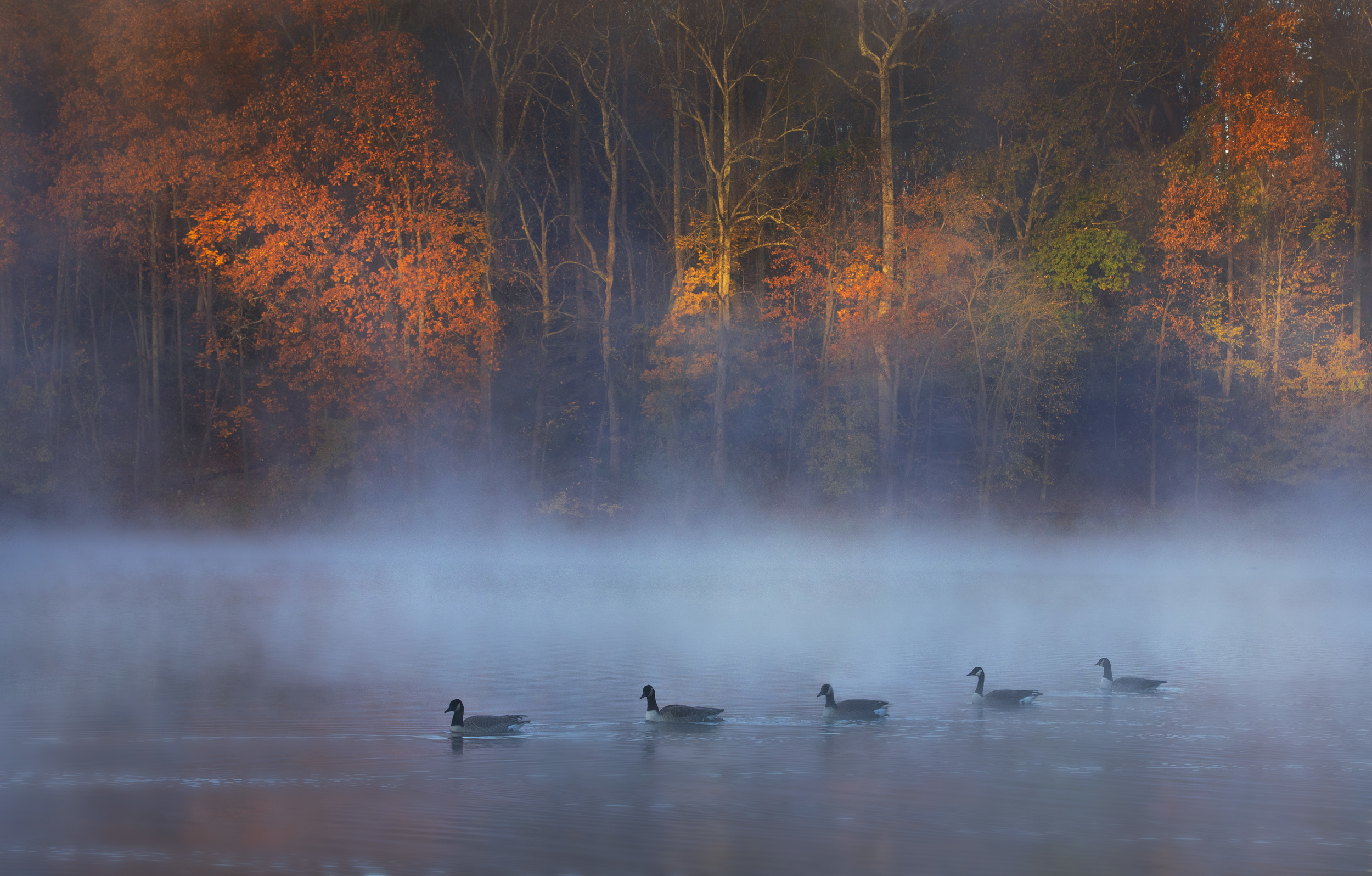
‘Social Distances’
For many of us, photography is a hobby or a way of life. So, how would you describe your relationship with photography?
For me, photography is more than just a hobby; it gives me a more meaningful way to view the world. It teaches me to observe details more closely and precisely than I otherwise would in daily life. These include light, movement, emotions and small moments in between. Whenever I see something interesting or powerful, I immediately want to capture it and preserve that moment in time.
Over the years, photography has also encouraged me to explore different perspectives and places. It has introduced me to environments I would never have entered before, ranging from tranquil natural landscapes to bustling human activity. Through the camera, I document not only what I see, but also connect with the world in a more intentional way. Without photography, I believe that I would never have discovered so many of these places, moments and ways of seeing life.
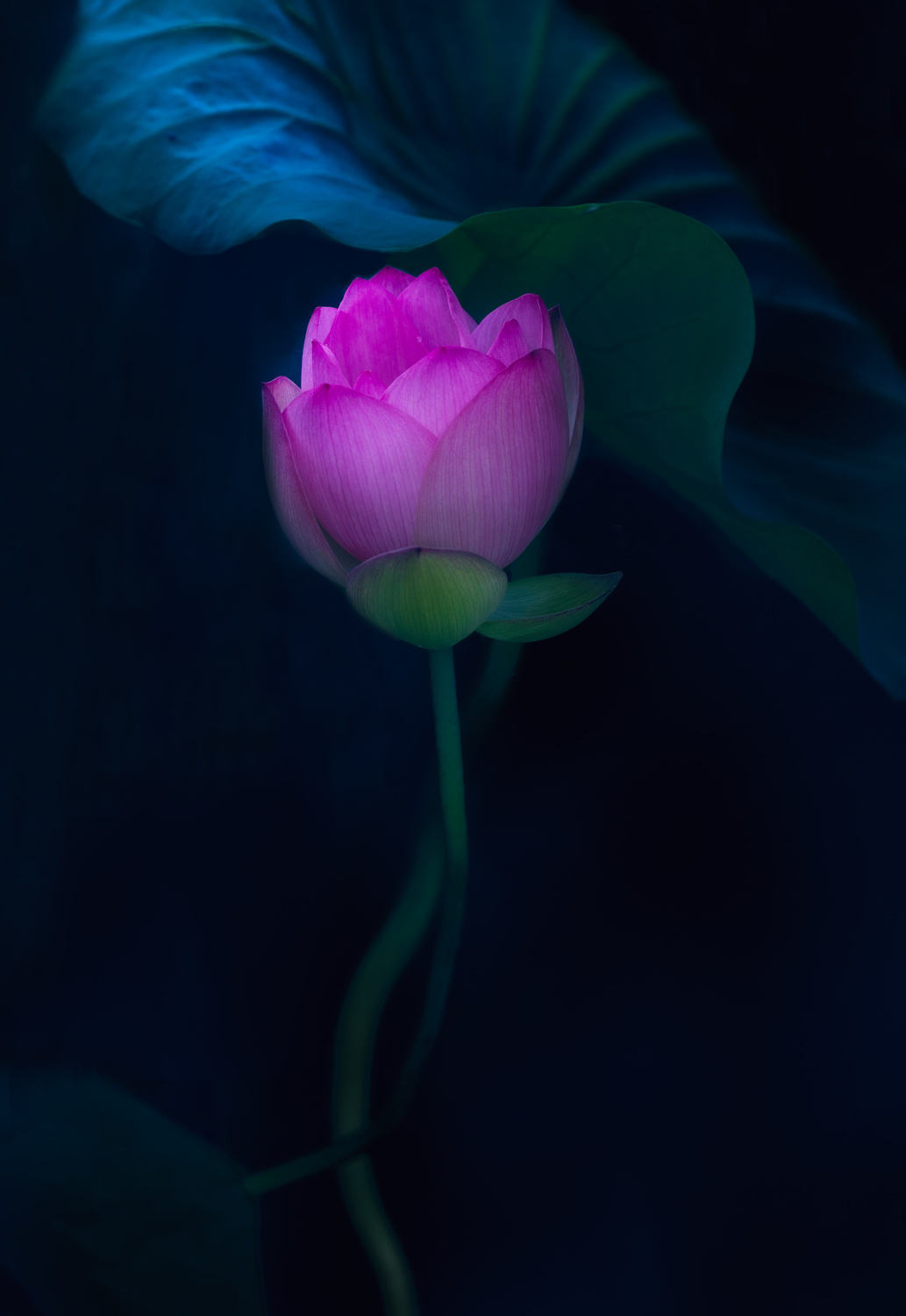
‘Lotus in light’
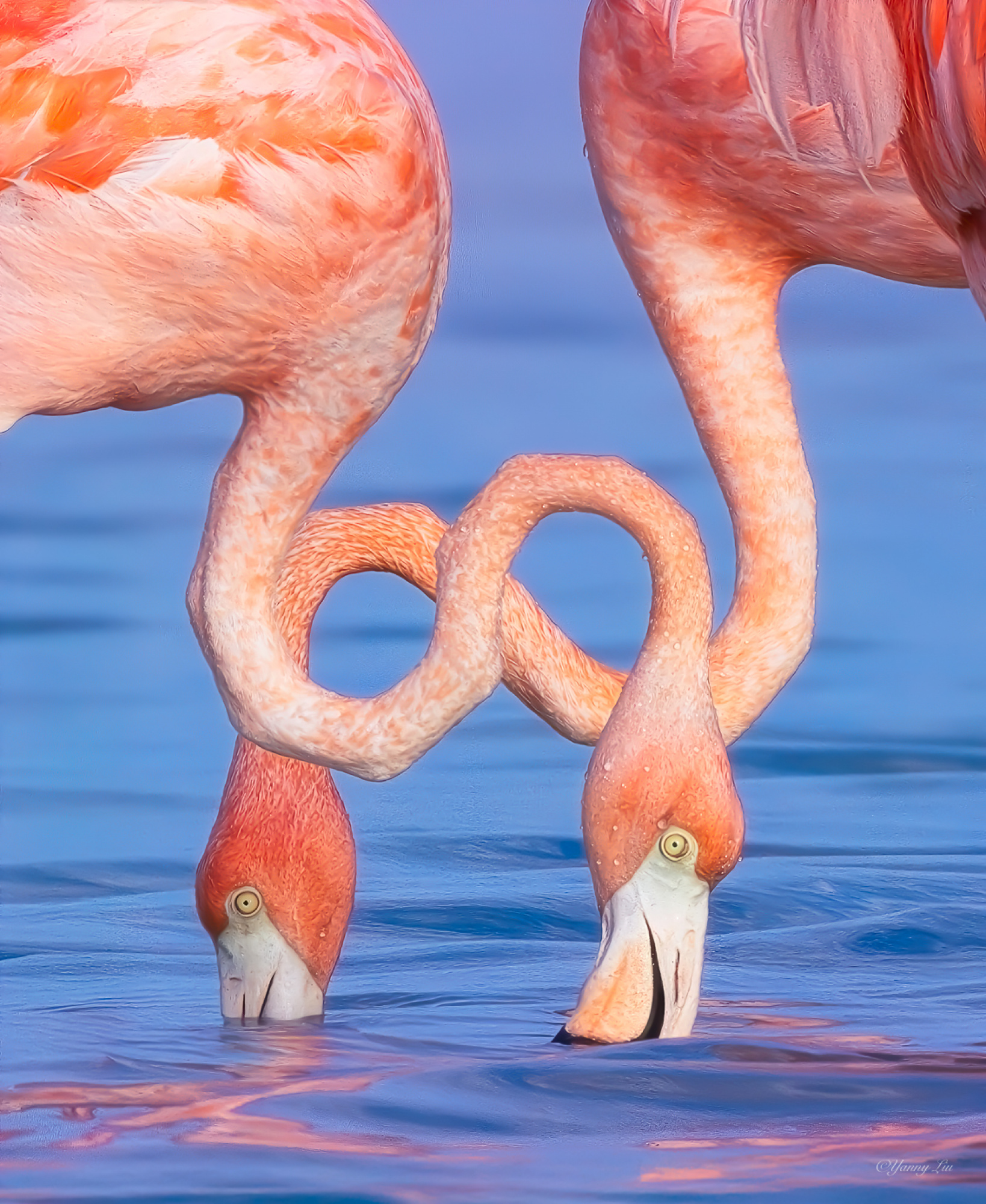
‘Infinite love’
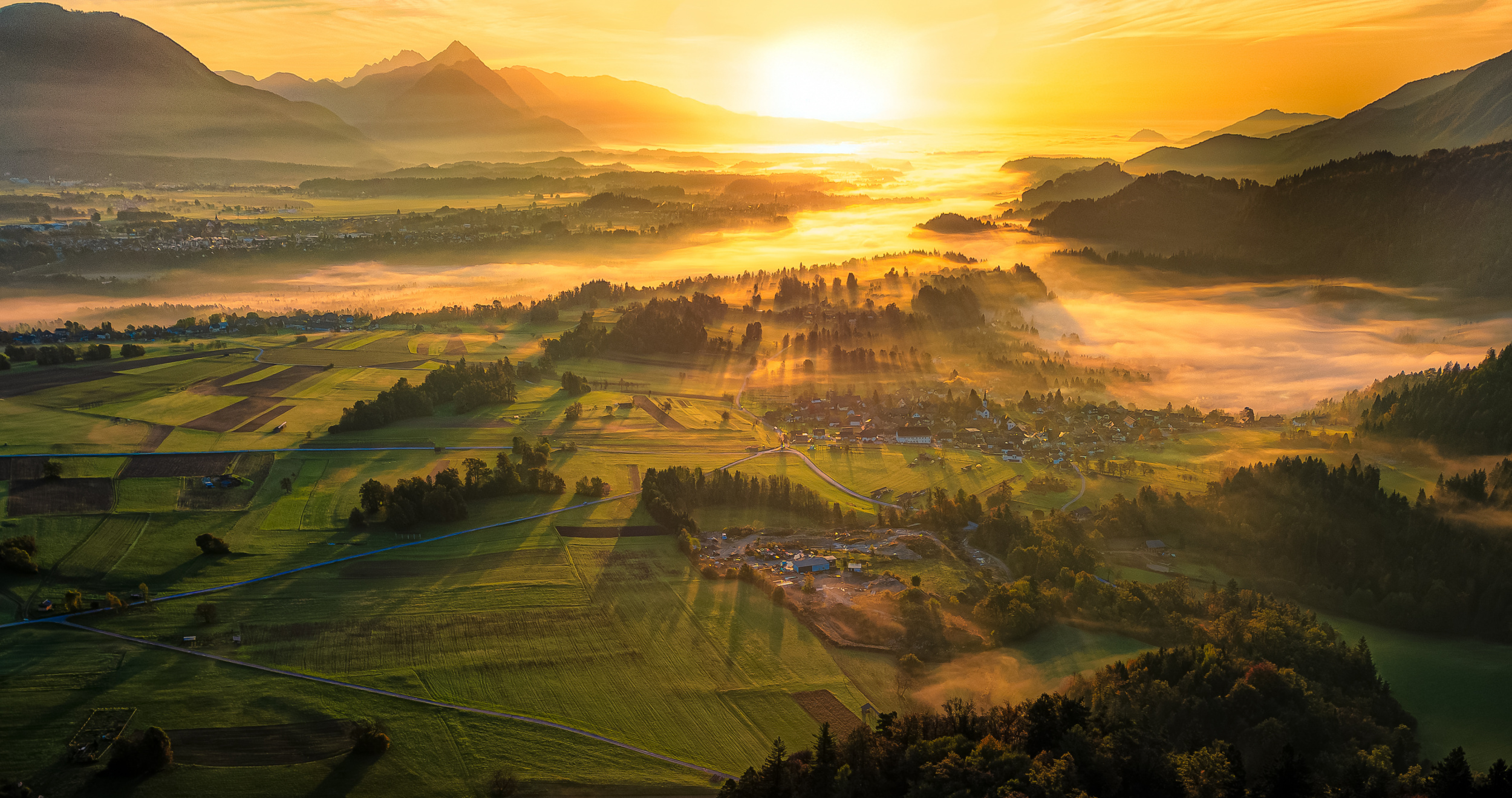
‘Golden Dawn’
Which experience has had the biggest impact on your journey as a photographer?
The pandemic was a unique and important time for me. With no office work and most activities cancelled, I finally had time to focus on my inner world through photography, particularly learning about post-processing online. Around that time, a few friends and I joined 1x.com, which opened up new possibilities for us. We were inspired by the outstanding work of others and began studying their techniques and artistic vision. This experience improved my skills and helped me to shape my images more intentionally and creatively.
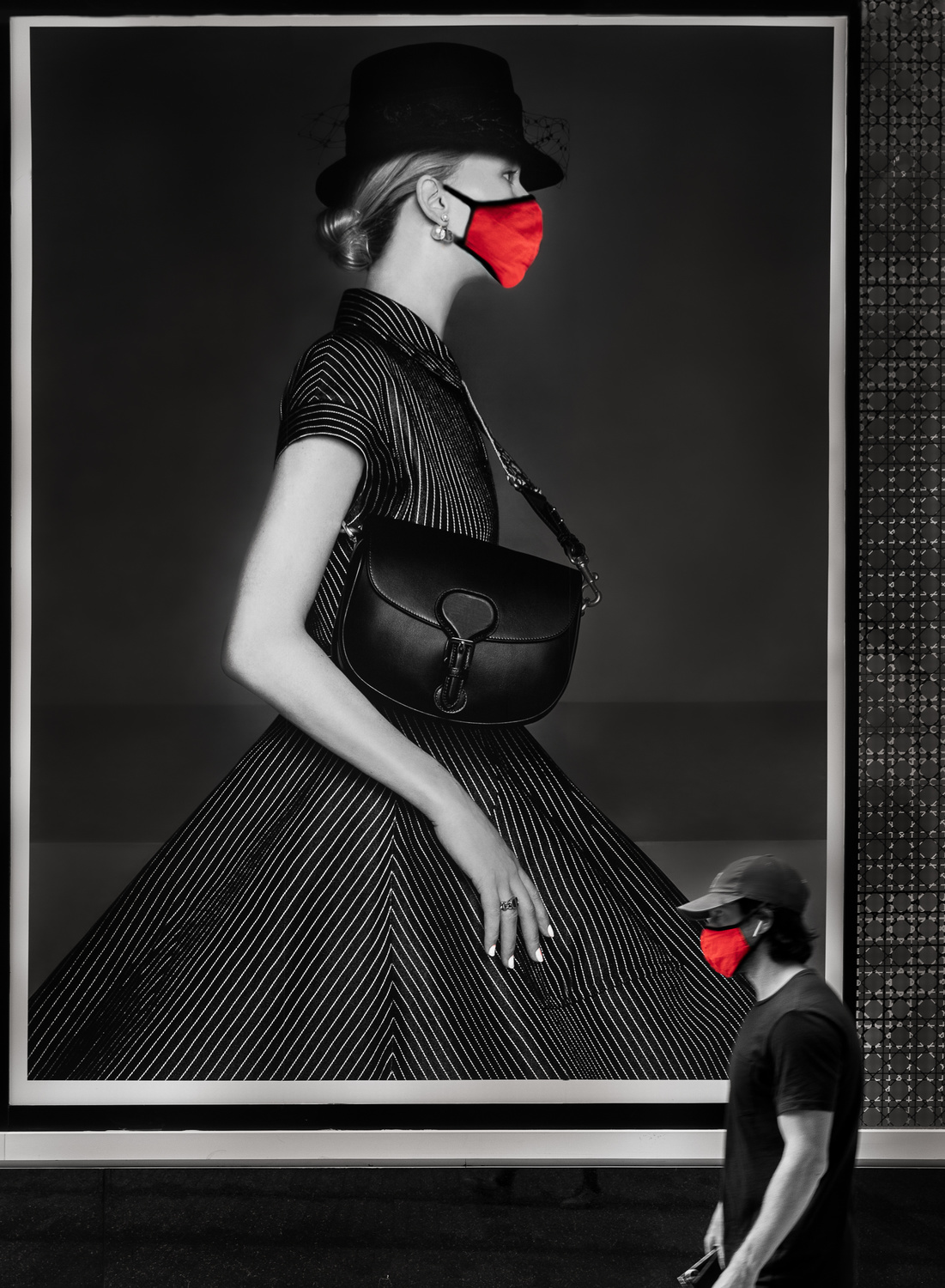 ‘Red Masks’
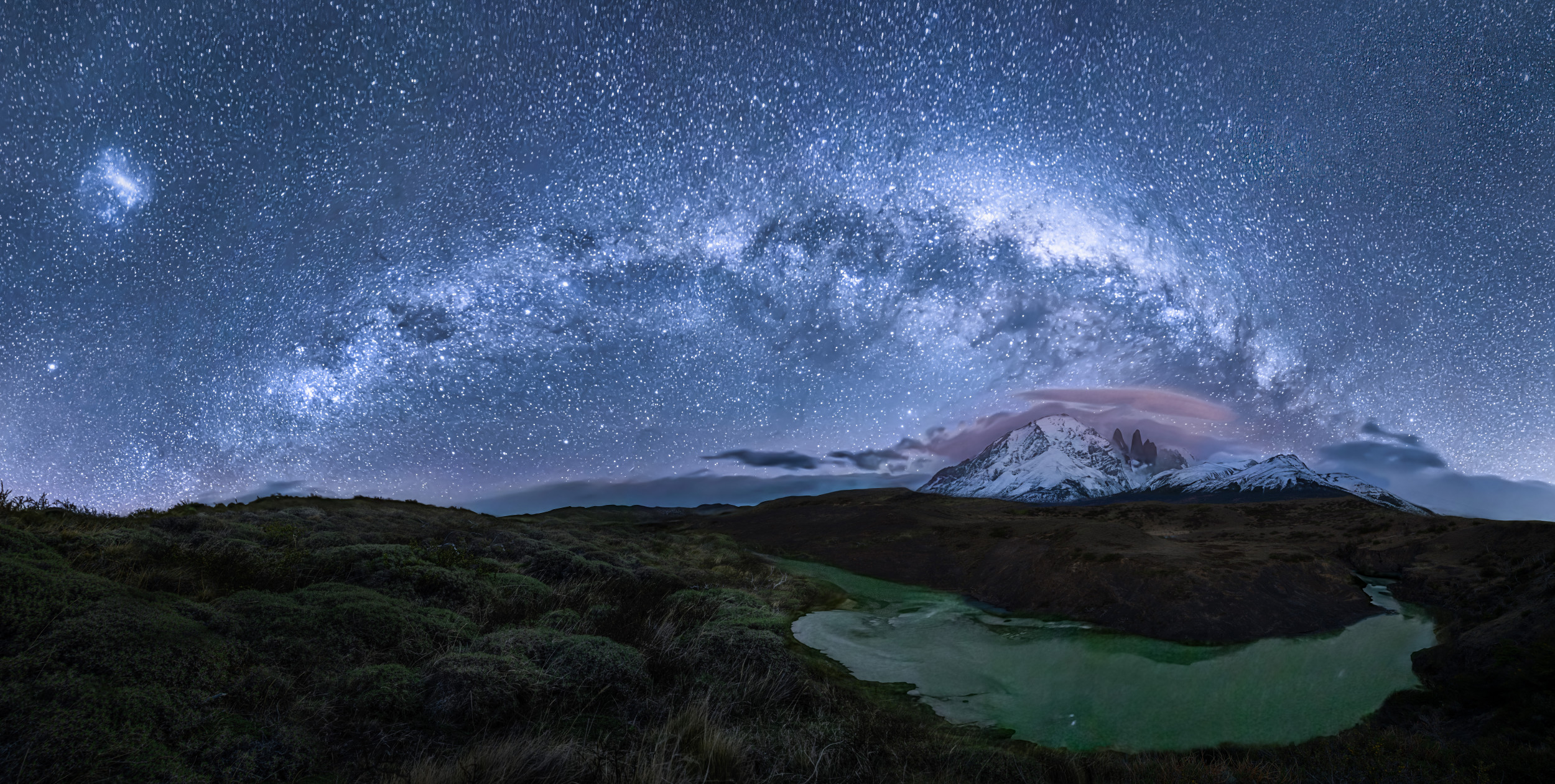 ‘Moonlight and Milky way in Patagonia’
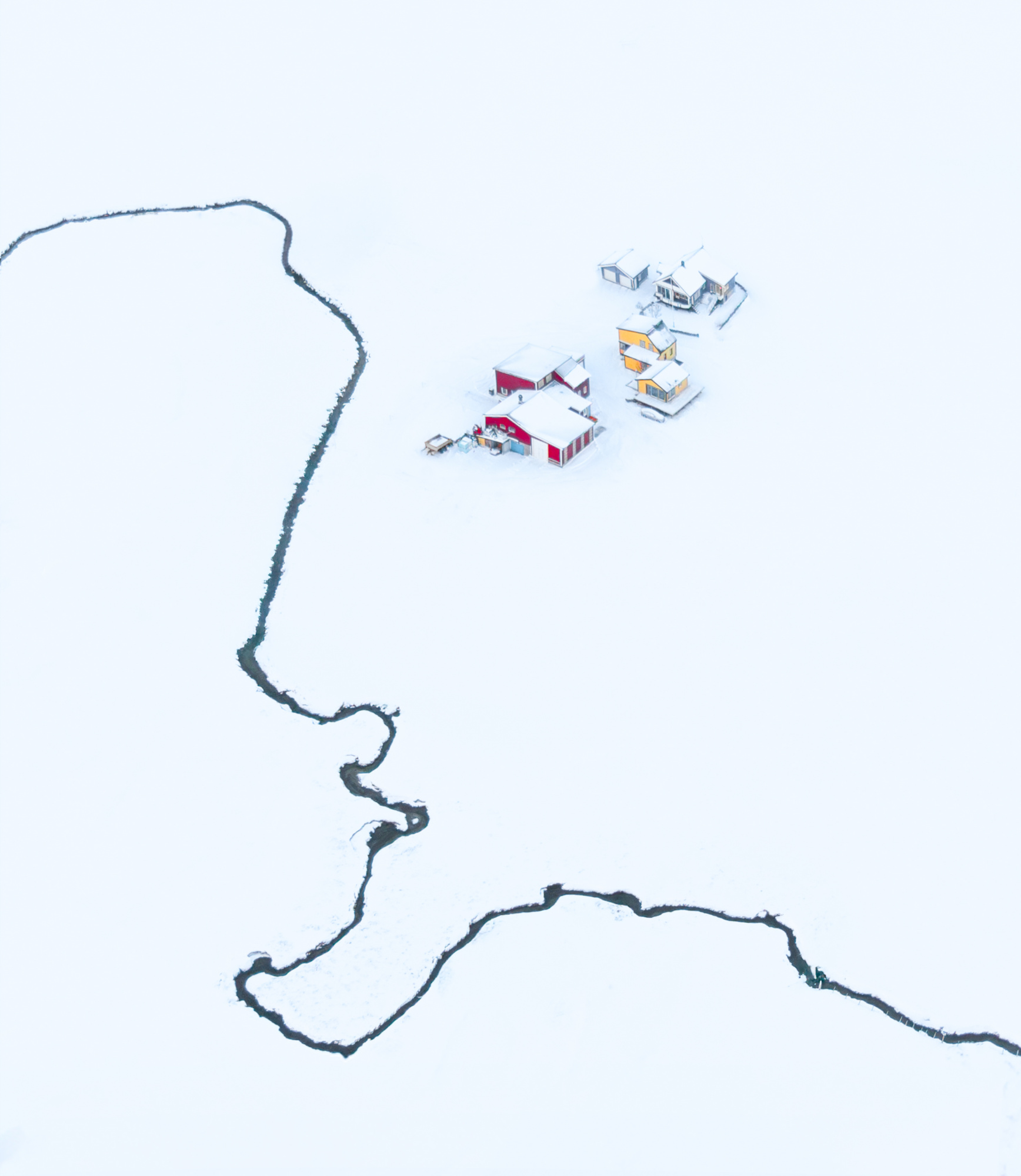 ‘Isolation in a Winter Embrace’
You have your own distinctive style that feels subtle, delicate, and poetic yet your work spans a wide range of genres, from landscape to wildlife to artistic photography. Could you tell us why?
My photographic vision has been shaped by my long-term exposure to art and history, particularly classical and traditional aesthetics. These influences have quietly informed the way I see the world, favouring subtlety, balance and emotional resonance over visual intensity.
My work is also rooted in a lyrical sensibility, combining observation and feeling. This enables me to approach photography as both a form of documentation and a means of expressing an inner dialogue with the world.
Although I work across different genres, from landscape and wildlife to more artistic expressions, I don’t see them as separate paths. Instead, they all contribute to the same vision: to understand the world more deeply and express it through my own perspective rather than overwhelming viewers with superficial visual impact.
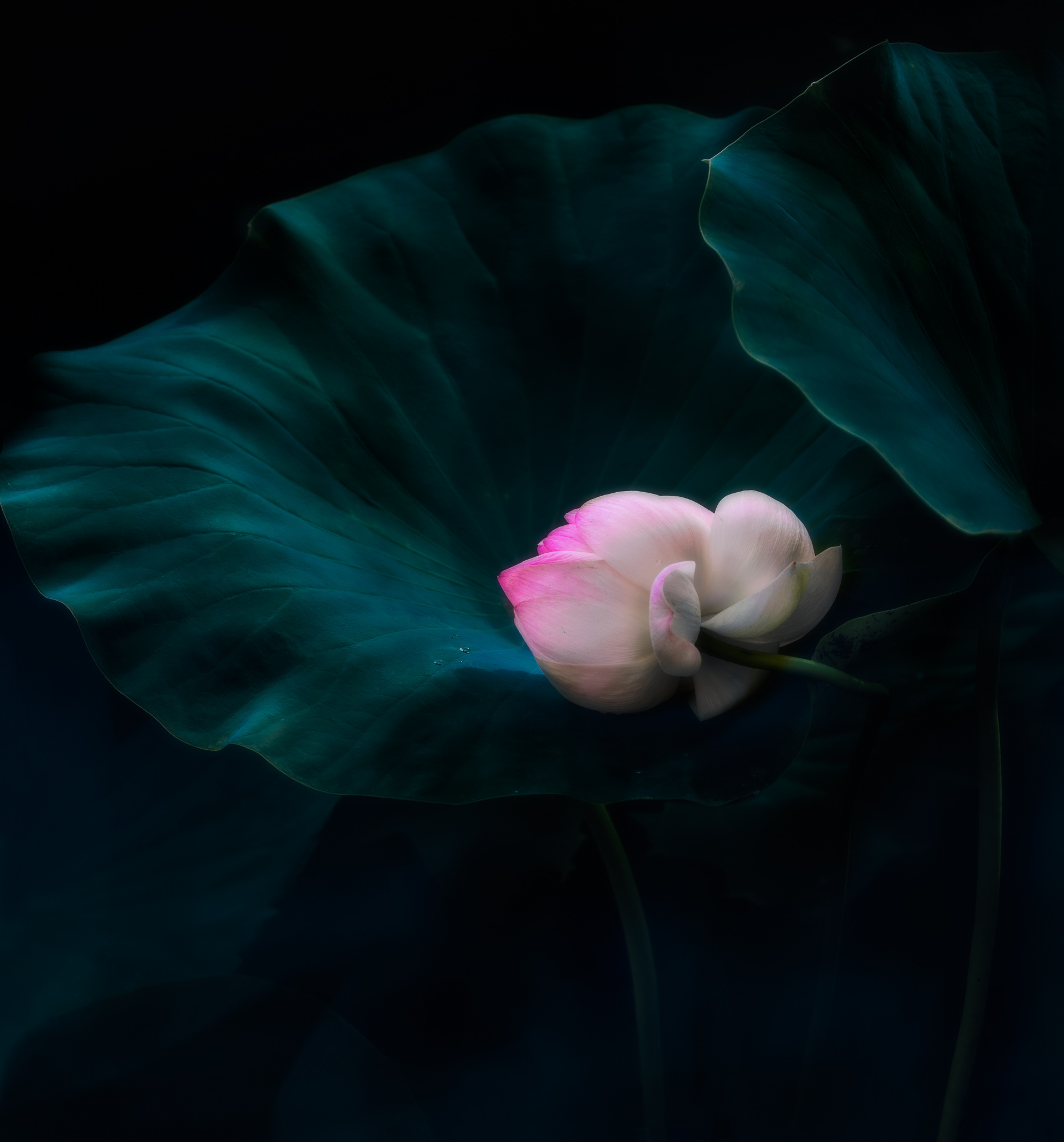 ‘Eternal’
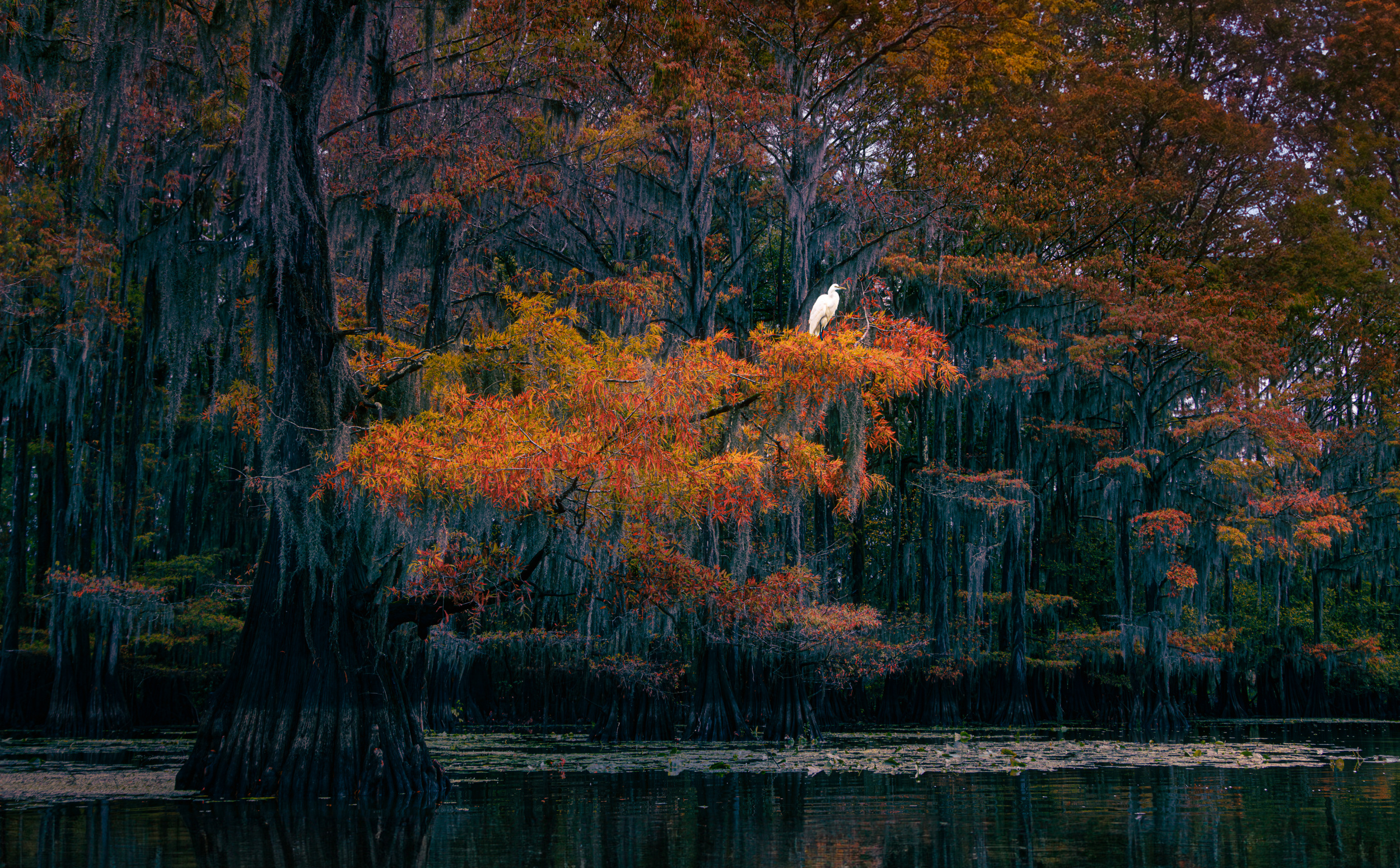 ‘Cypress tree’
When it comes to your images, what is more important to you: the mood or the story, or technical perfection?
I care about technical quality because it supports storytelling. In my early years of photography, I trained myself in different shooting situations to master the technical fundamentals. However, at my current stage, I pay more attention to atmosphere, light and the moment itself when shooting. When it comes to post-processing, I prioritize feeling and mood, using them to enhance the emotional impact rather than focusing on technical perfection.
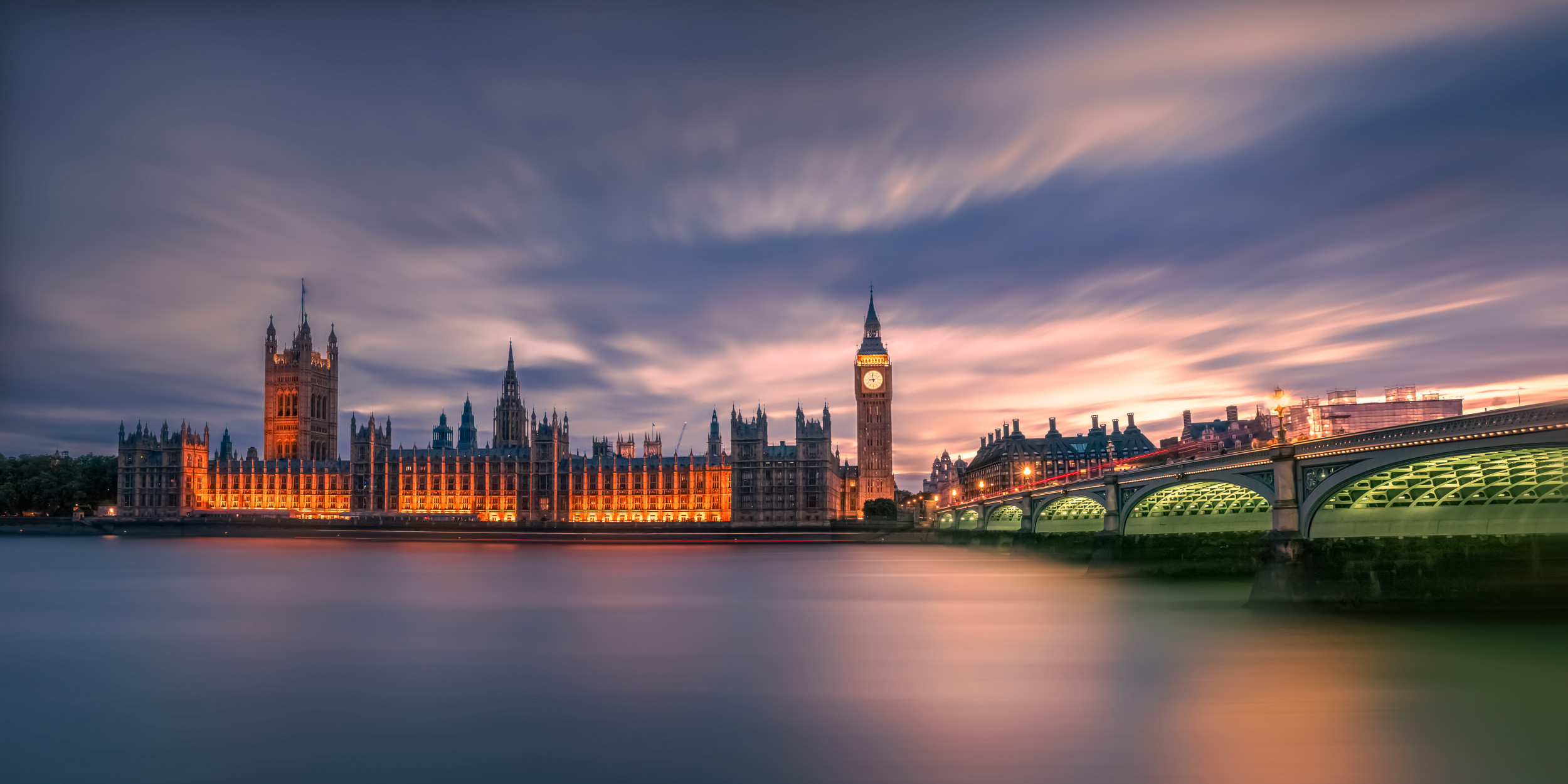 ‘Holy Glory’
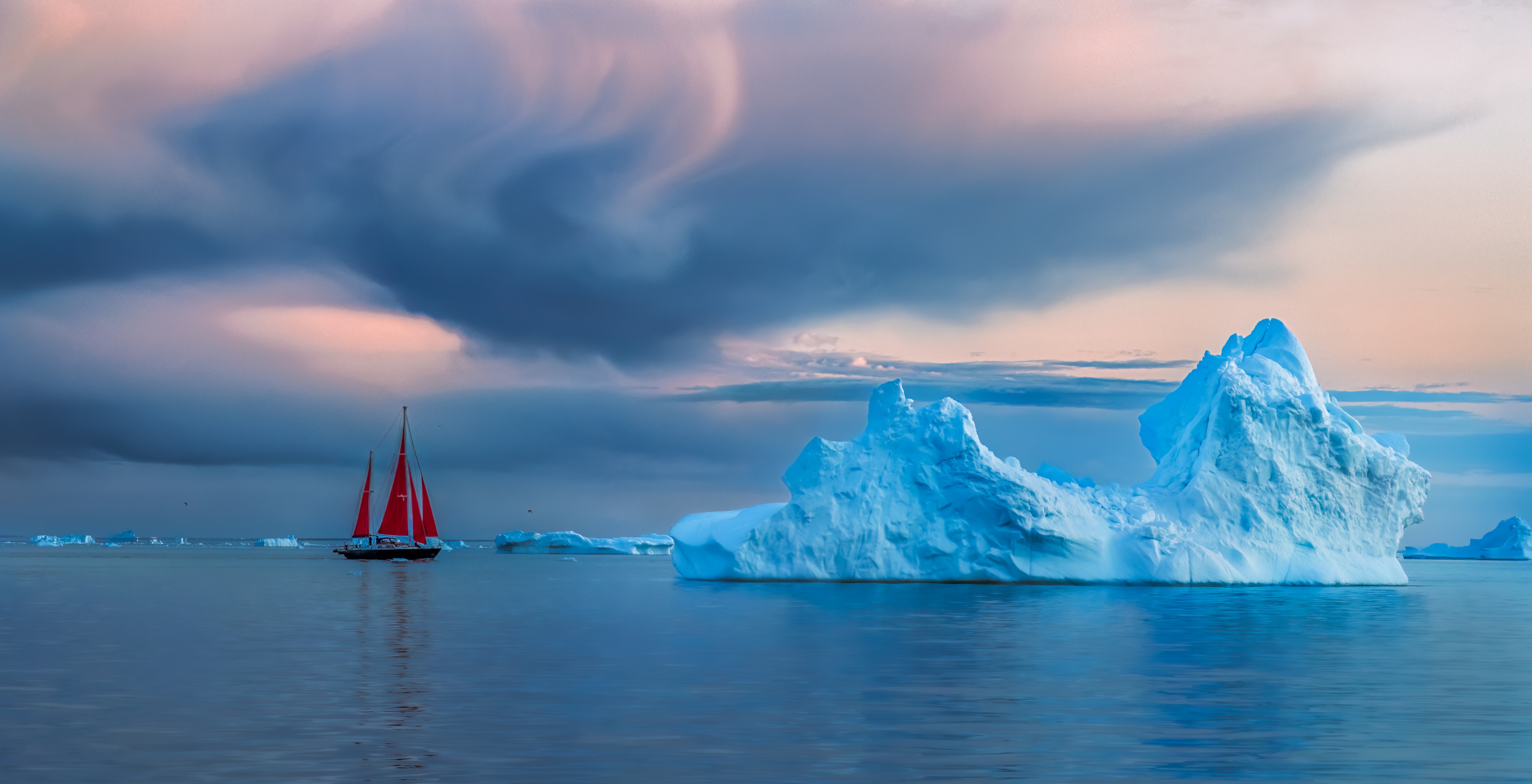 ‘When the sky speaks’
How do you engage with your subject matter beyond the role of observer?
I’m naturally curious about the world, and I try to engage with my subject matter by being fully present within the environment rather than remaining emotionally detached.
For landscape photography, my approach is rooted in immersion. I’m especially drawn to unique places with striking landscapes or extraordinary conditions, such as Greenland or other remote natural regions where light, space, and atmosphere come together to create something unforgettable. I spend time in the environment, observing the light, weather, and atmosphere, and patiently waiting for the moment when everything aligns. In this process I can be someone who experiences the place deeply and responds to it both emotionally and visually.
For wildlife photography, the engagement is more respectful and involves maintaining a physical distance. I carefully observe animal behavior and try to understand the subject without disturbing it. It requires patience, timing, and often anticipation of action. My goal is to capture natural behavior in an authentic way, while respecting the animal’s space.
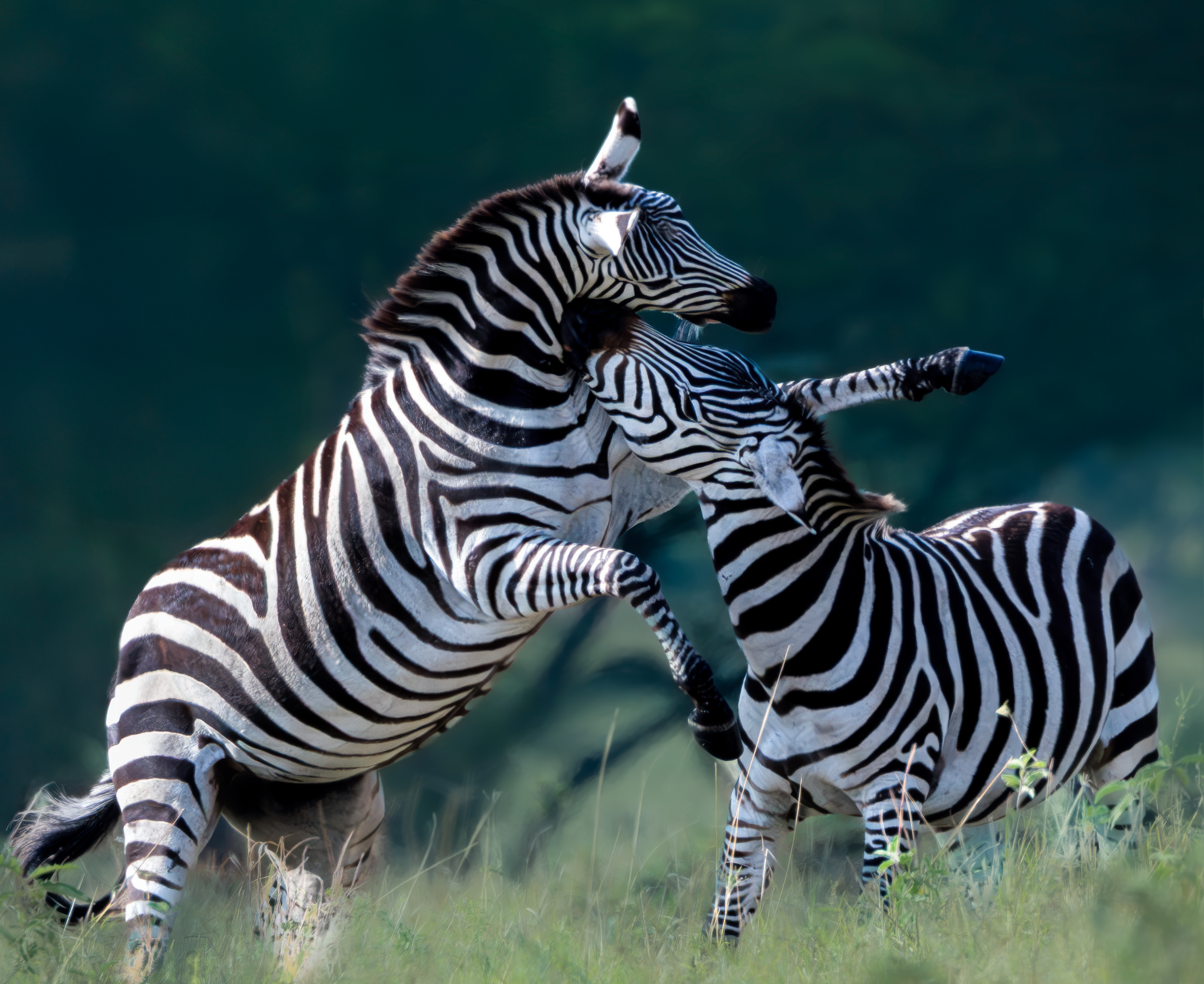 ‘Big hug’
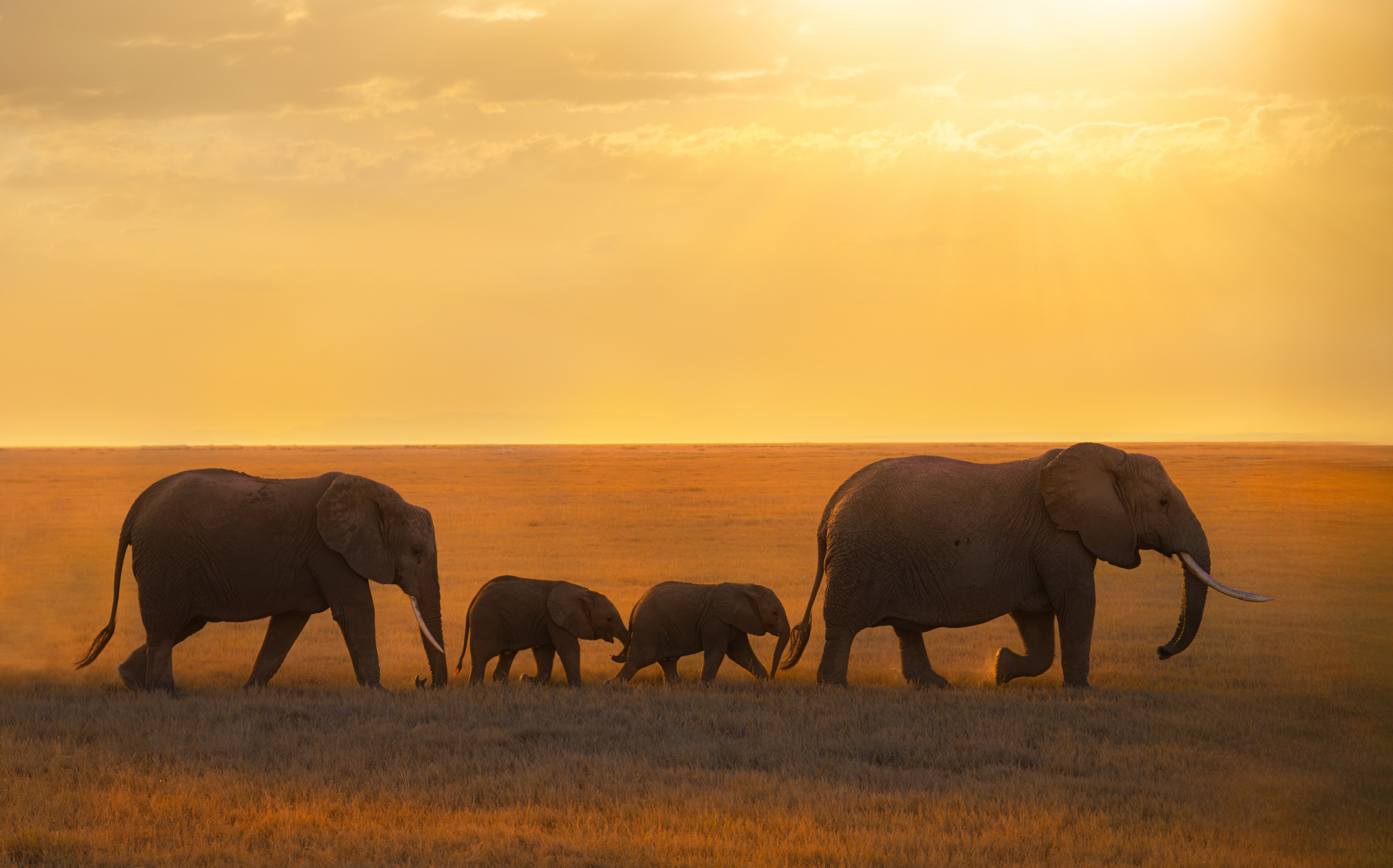 ‘Walking with moms’
Do you carefully plan the locations where you intend to take photographs?
The level of planning depends on the subject. For landscape photography, for example, I usually research the location in advance. I often use tools such as LocationScout and PlanIt to study maps, light direction, weather conditions and the best time of day to take photographs. This helps me decide where to position myself and what kind of composition to look for before I arrive. When it comes to wildlife photography, preparation is more about understanding the subject and its environment. Studying animal behavior, habitat and movement patterns increase my chances of capturing high-quality images.
However, I don’t try to control everything. I always leave room for the unexpected, as some of the most powerful images come from situations that I didn't fully anticipate. In both cases, I am not merely documenting what I see; I am trying to connect with the subject in a way that enables me to tell a more authentic story.
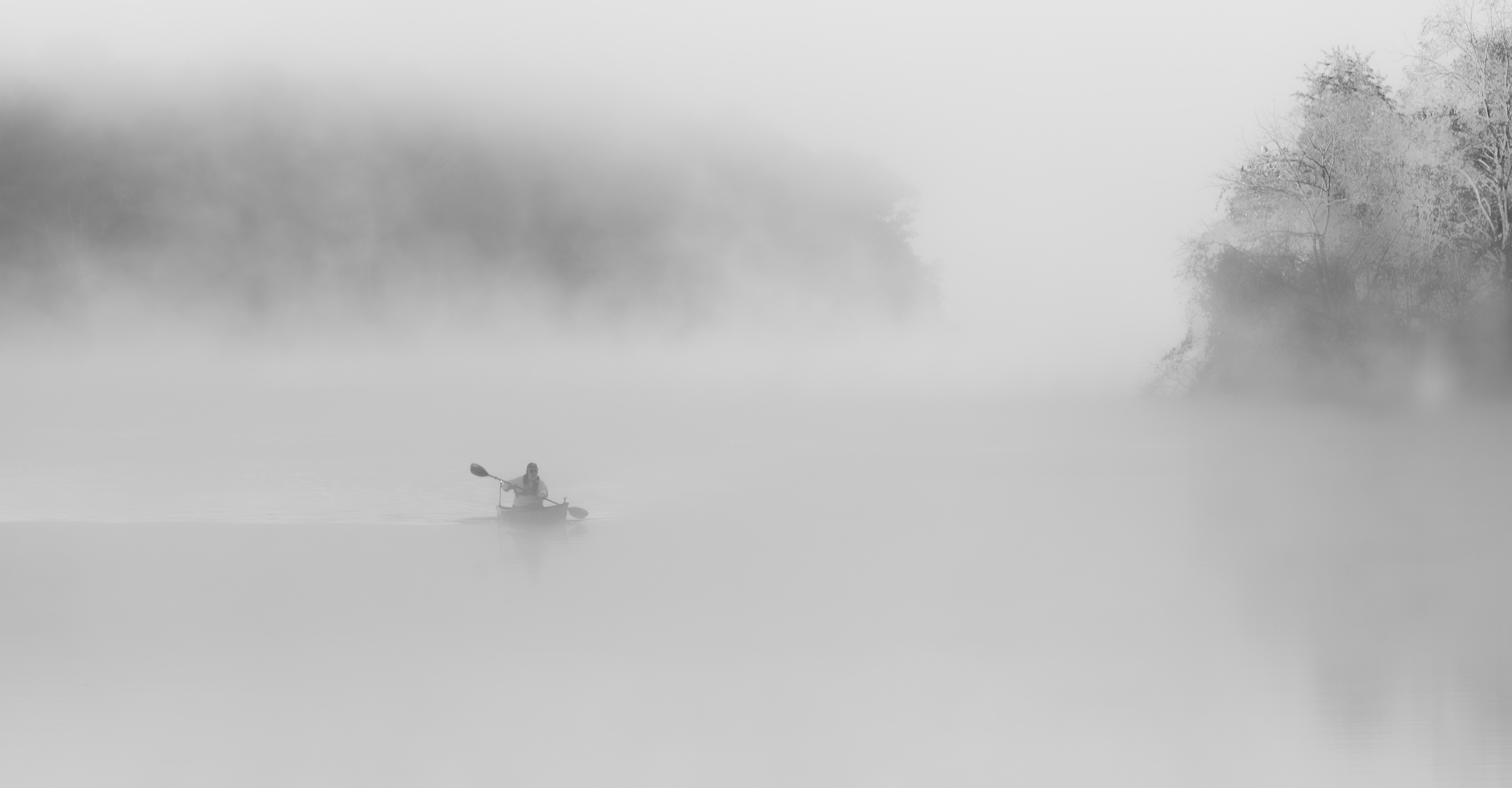 ‘Foggy_Morning’
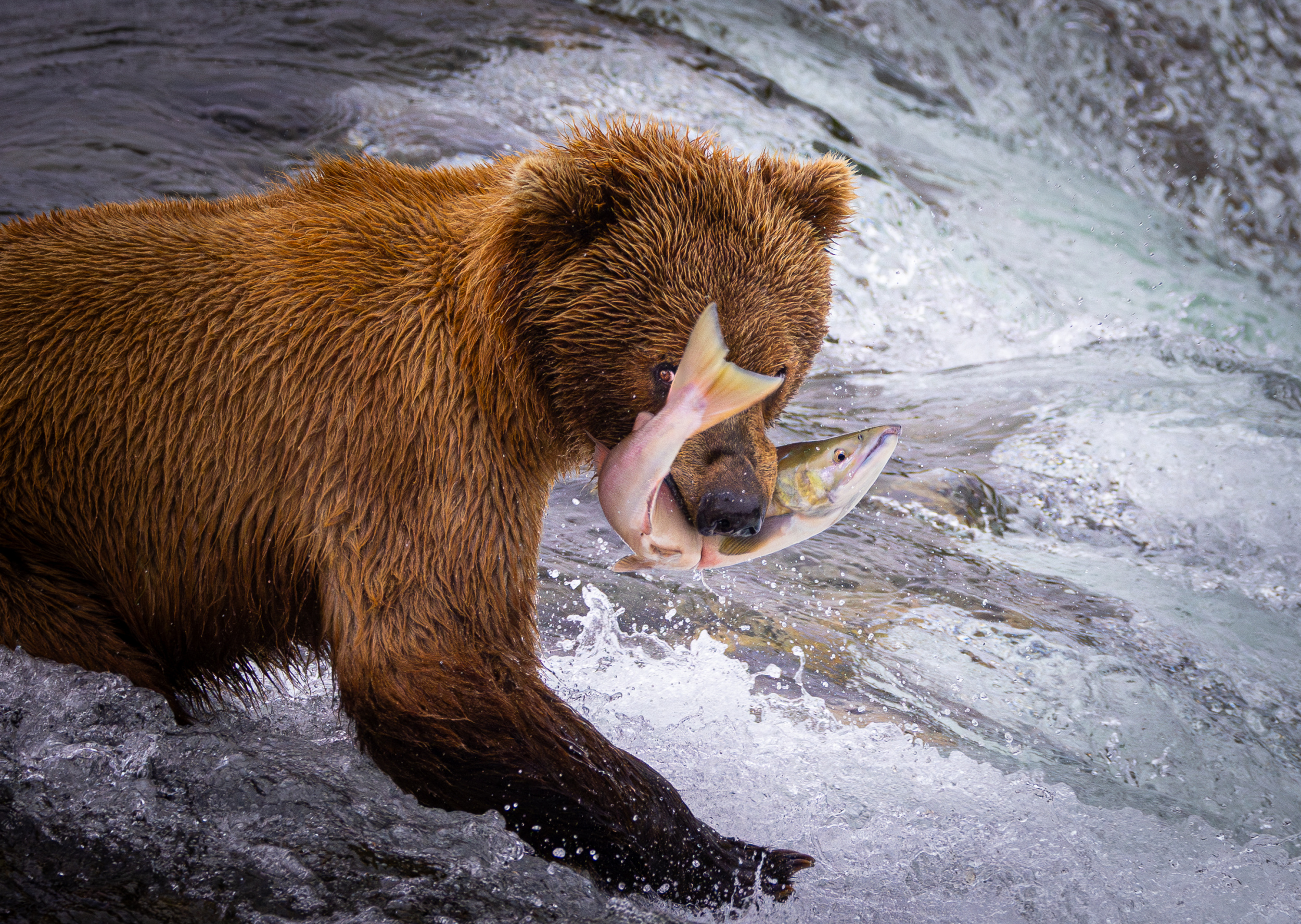 ‘Two eyes’
Describe your photographic vision.
My photographic vision is gently influenced by Eastern art philosophy, in which harmony, mood and suggestion are valued more highly than direct expression. Having grown up with this cultural background, I now tend to avoid strong contrasts and overly dramatic visual impact. Instead, I seek a more subtle and balanced expression.
I often lean towards a minimalist approach where simplicity, balance and negative space play an important role. Rather than filling the frame, I leave space for the viewer's imagination and emotions, encouraging them to pause and reflect.
In my work, I aim to combine this quiet, contemplative style with images of the natural world, such as landscapes, wildlife, and more artistic scenes. My goal is not just to capture a scene, but to convey a feeling or a moment of stillness and a sense of connection between the subject and its surroundings.
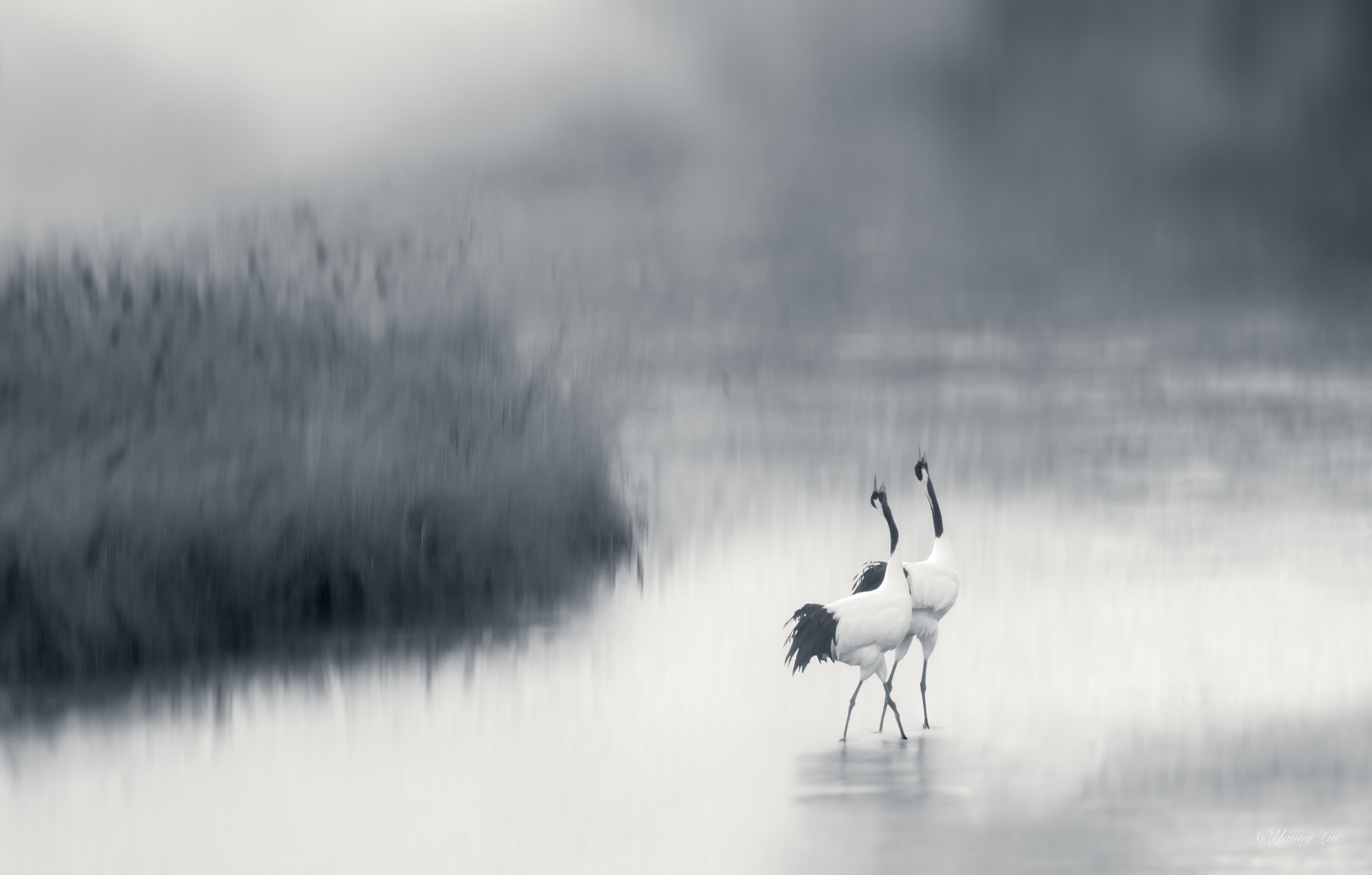 ‘Chirping together’
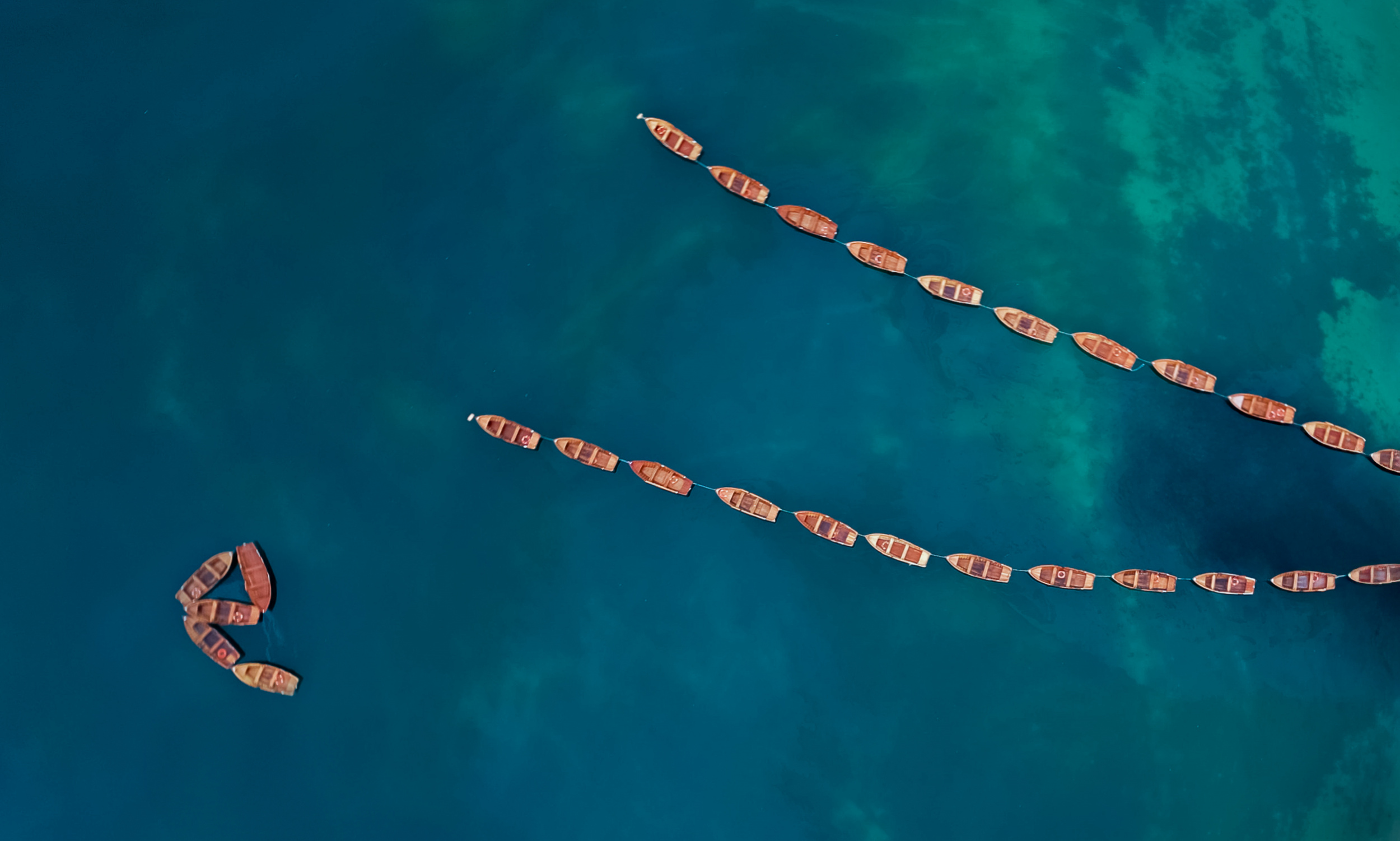 'Boat shape’
Could you tell us more about your creative process, from initial idea to final product?
My creative process begins with a spark of curiosity — an idea, a subject or a fleeting impression that captures my attention. Inspiration may sometimes come from other photographers, but I always try to reinterpret it through my own vision rather than simply copying it.
From there, the process becomes more intentional. I plan the shoot, sometimes travelling to the destination in advance to study the location and light and explore possible compositions. While photographing, I move between planning and intuition. Although I may have direction in mind, I respond to the moment as it unfolds, guided by light, atmosphere and emotion. It is this balance between structure and spontaneity that gives shape to my images.
Post-processing is another important part of my creative process. I mainly use Lightroom and Photoshop, as well as tools such as Topaz and the Nik Collection. This stage enables me to refine the image and convey the emotions and concepts that I had in mind when I took the photograph. It's not just editing; it's an extension of the creative process.
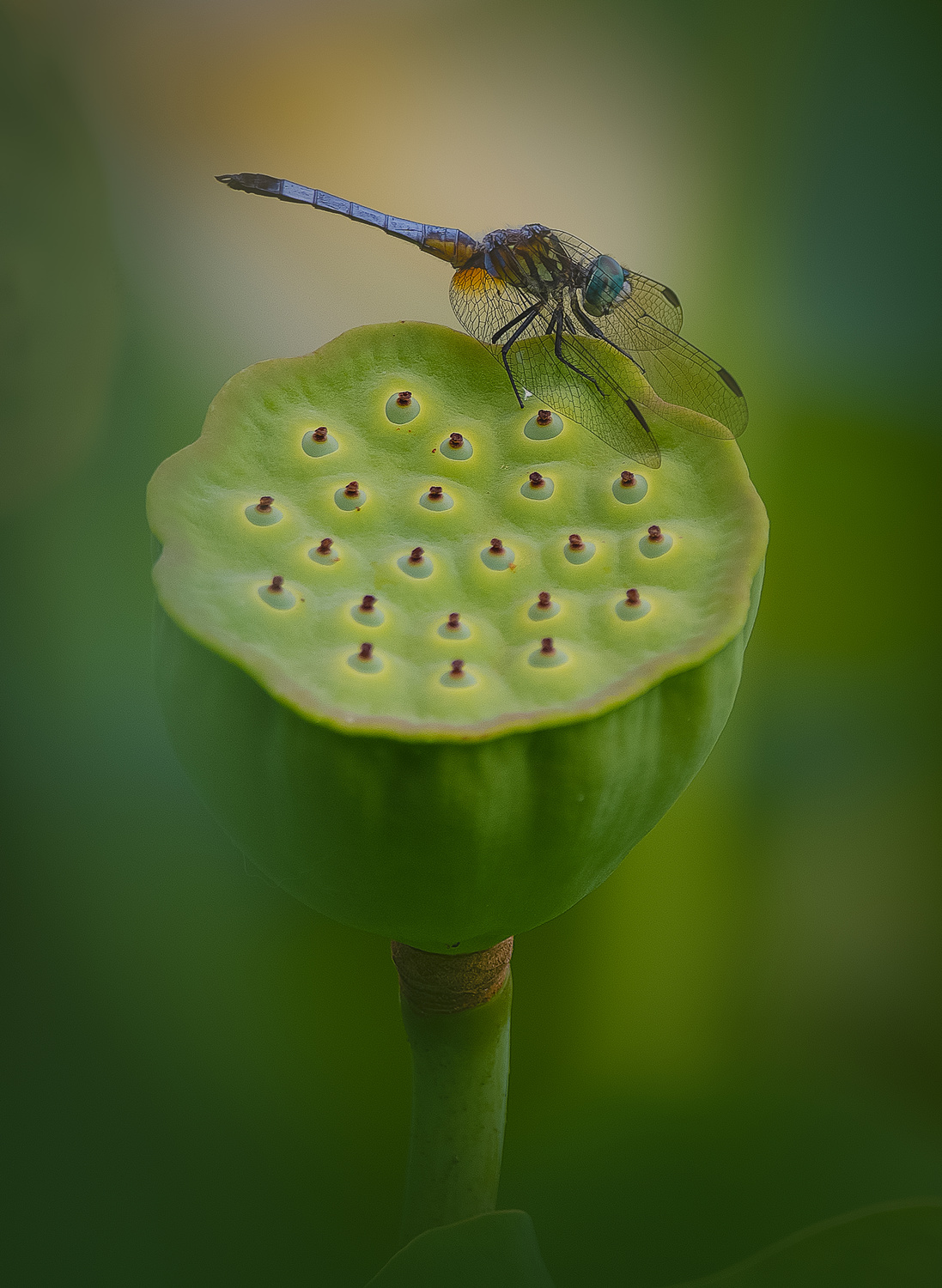
‘Dragonfly on Lotus’
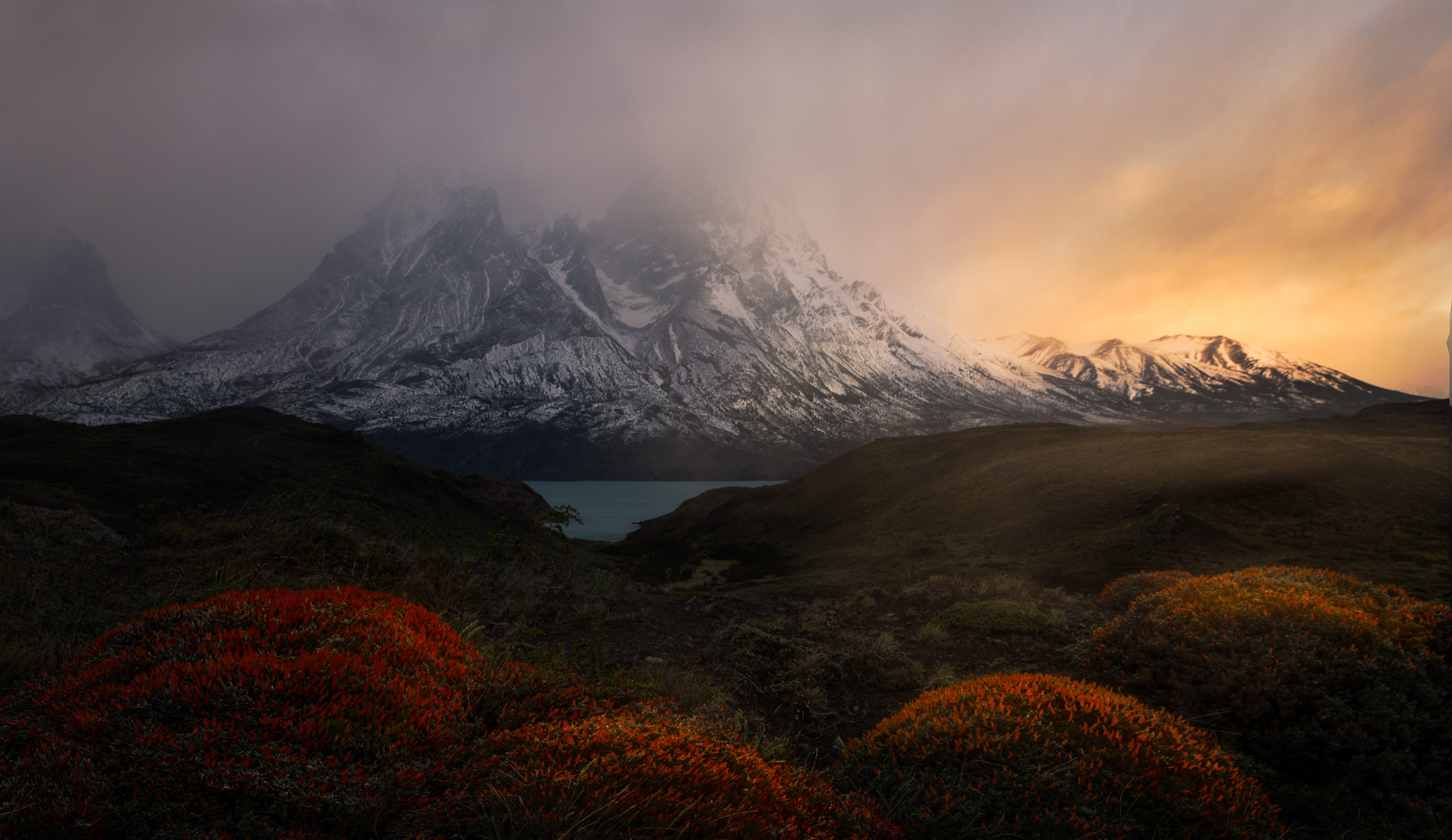 ‘Spring time at Patagonia’
Where do you find inspiration, and what inspires you the most?
My inspiration comes from many different sources. The 1x gallery is one of the most important platforms for me. I deeply appreciate the high-quality work shared by a talented global community there. Viewing these images helps me to understand different visual languages and artistic approaches, and it constantly motivates me to improve.
I also draw a lot of inspiration from the 'Raying Photography Club', which was founded by John Fan. He is our mentor in this small group of photographers who regularly share ideas, exchange feedback and learn from one another. This kind of close communication has been invaluable to my development.
In addition, travel is a major source of inspiration for me. I enjoy experiencing different cultures, landscapes and environments first-hand. I believe that personal experience is essential in photography because it enables me to truly experience the world rather than merely observe it, and this emotional connection often forms the basis of my work.
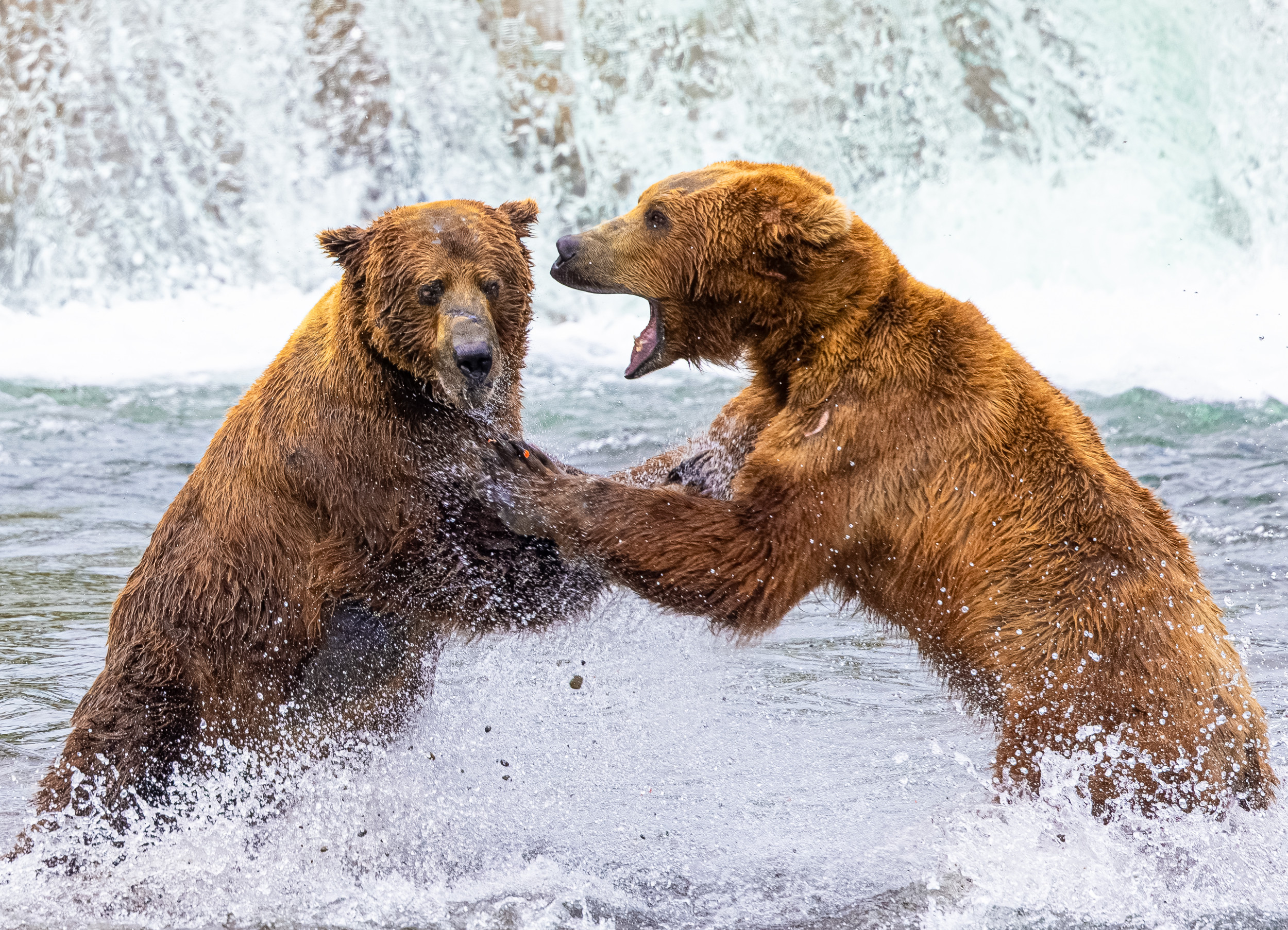
‘Westleing’
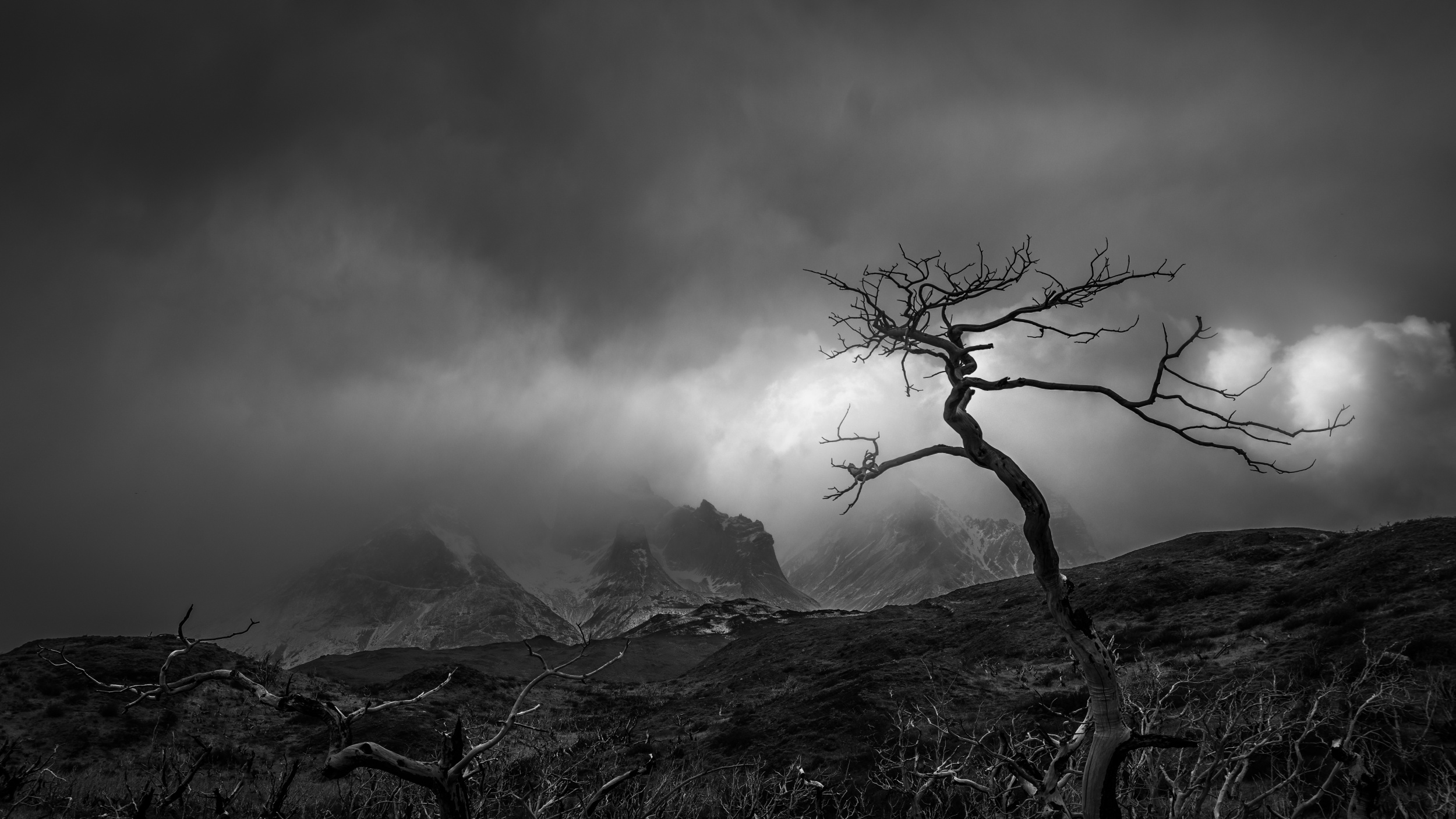
‘Stormy day’
Many people believe that the right equipment is unimportant if you're passionate about photography. Could you please tell us about your camera, lenses, lighting and tripod?
I currently use Canon mirrorless cameras — the R5 Mark II and the R5 — and pair them with different lenses depending on the subject. For landscape photography, I usually use a 15–35 mm wide-angle lens to capture expansive scenes and perspectives. For wildlife photography, I use longer lenses, such as the 600mm f/4 and 100–500mm lenses, which enable me to stay at a distance while capturing detail and behavior.
I also use lenses such as the 24–70mm, 70–200mm and 50mm for street photography, portraits and general shooting. Each lens gives me different creative possibilities, depending on the story I want to tell. Currently, I use FLM and Gitzo tripods. Equipment is important to me, but ultimately it is just a tool. What matters most is how I use them to capture the essence of a moment.
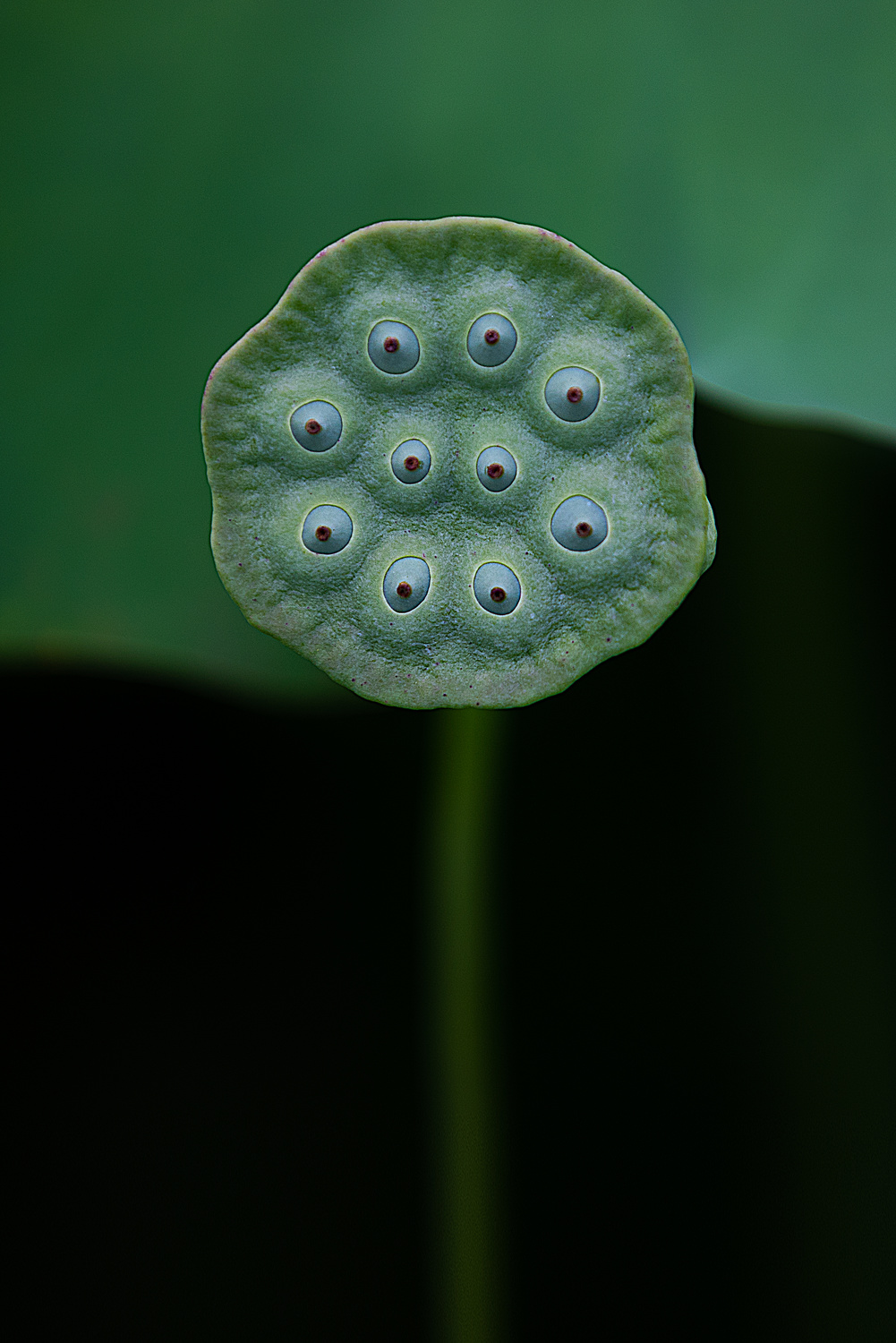
‘A lotus’
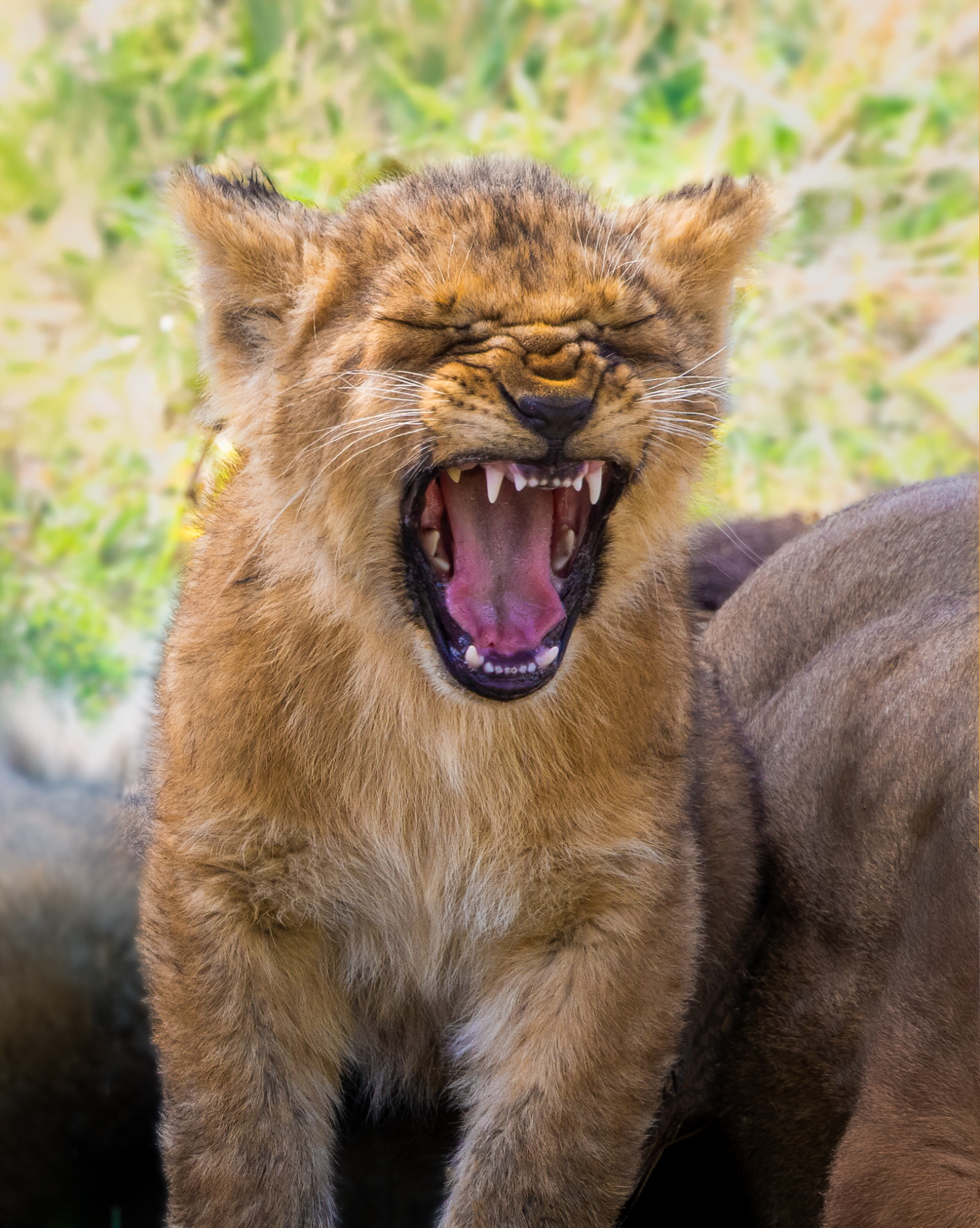
‘Born to roar’
Which is your favourite photo? Please tell us the story behind it.
This photo was taken in Patagonia in 2022. It was my first time photographing the Milky Way. While it may not be my best image, the experience remains unforgettable. I still remember how nervous I was as I carefully set up the camera and adjusted the settings before shooting a four-frame panorama to include both Mount Fitz Roy and the Magellanic Clouds in the composition. I captured each frame twice to ensure the stars were sharp and clear. Later, when I merged the images in Photoshop and saw the final result, I was amazed. It was an exciting moment, realising that I had achieved something I once thought was beyond my reach.
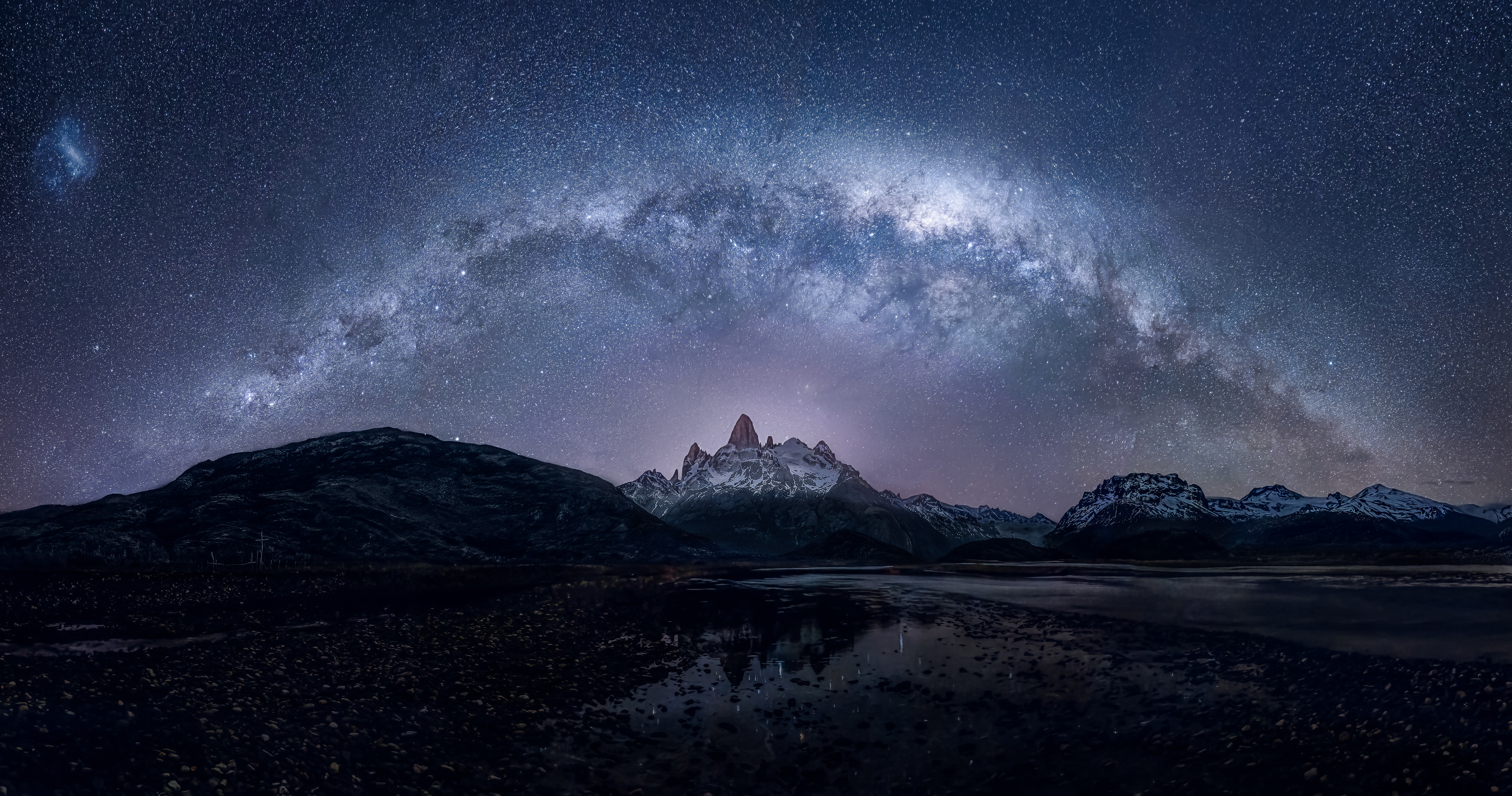
‘Milky Way over Fitz Roy’
Thank you for this fine interview and for sharing your work on 1x, dear Yanny...
|
 | joanaduenas PRO
A collection of images that reveal the poignant stories behind each one. Thank you to Ivette for this wonderful interview. |
 | Yanny Liu PRO Thank you understanding me through these pictures. |
 | Gu and Hongchao PRO Congratulations, Little Bird!
So happy to see you being interviewed! Your talent, vision, and hard work truly deserve to be seen by more people. Wishing you continued inspiration, beautiful creations, and many more exciting moments ahead. Keep flying higher! |
| Yanny Liu PRO Thank you veery much for you kind words! |
 | DonnaHom APA PRO Great collection of outstanding work! Congratulations Yanny! Thank you Yvette for another great work as always! |
| Yanny Liu PRO Thank you very much for your kind comments! |
 | Eiji Yamamoto PRO Dear Yanny, thank you so much for the wonderful interview with very beautiful and great photos! Dear Yvette, thank you so much, as always! It is truly impressive and inspiring! |
| Yanny Liu PRO Thank you. I’m truly honored and very happy that you enjoyed the interview and the photographs. |
 | Naren PRO Such a diverse collection and done with such finesse. Amazing! Congratulations also for being featured for an interview. |
| Yanny Liu PRO I’m truly honored and very happy that you enjoyed the interview and the photographs. Thank you very much! |
 | Louie Luo PRO Congratulations, Yanny, on this wonderful interview showcasing your exceptional images. I truly enjoyed reading it. And thank you as well to Yvette for another excellent article. |
| Yanny Liu PRO Thank you veery much Louie. I have long admired your wonderful work too. |
 | Offer Ellbogen PRO Excellent, diverse, very impressive and fascinating photo gallery........Kudos to you dear Yanny !!! |
| Yanny Liu PRO Your appreciation means a lot to me. Thank you for your support and encouragement. |
 | Hai Lin 雪原 PRO A wonderful collection of great works on capturing light, nature and everything around us. Congratulations! |
| Yanny Liu PRO Thank you very much for your warm encouragement. |
 | Kenneth-Wei Zeng PRO A beautiful collection. Congratulations! |
| Yanny Liu PRO I’m truly grateful that you enjoyed the interview and the images. Thank you very much! |
 | Sean Huang PRO So many diverse themes, all executed with a level of refinement and vivid beauty - I am amazed. Congratulations!
|
| Yanny Liu PRO Thank you so much for your kind words and encouragement. I have long admired your wonderful work too. |
 | Yongming Zhang PRO Dear Yanny, congratulations on being featured in 1x Magazine! I loved all the image selections in the interview. Truly well deserved — your talent, vision, and dedication are shining through. Wishing you even more success and inspiring work ahead. |
| Yanny Liu PRO Thank you dear for your encouragement. I’m really happy that you liked the interview and the photos. |
 | Molly Fu (APA) PRO Stunning images and excellent interview, congrats my dear friend Yanny, you are well deserved! Thanks dear Yvette as always to present a such great photographer! |
| Yanny Liu PRO Thank you dear so much for your warm and generous words. Your support and appreciation sincerely mean a lot to me. |
 | Linda Lu PRO Congratulations, Yanny! Beautiful images! Thanks for sharing! |
| Yanny Liu PRO Really appreciate your kind words and encouragement. |
 | Anna Cseresnjes PRO great shot's, congratulations |
| Yanny Liu PRO Thank you very much Anna, really appreciate your encouragement. |
 | Bill X. Liu PRO Wow! Congratulations !! All images are very impressive fine art works! |
| Yanny Liu PRO Dear Bill, I really appreciate your kind and encouraging words.Thank you very much! |
 | YANGYING PRO
Congratulations! |
| Yanny Liu PRO Thank you very much YangYing. |
 | Rob Li CREW Congratulations! A beautiful collection of so many artistic work. Kudo to Raying! |
| Yanny Liu PRO Thank you so much Rob, it is such a pleasure to get your kind and encouraging words. Best Regard! |
 | Hanping Xiao PRO Congratulations, Dear Yanny! |
| Yanny Liu PRO Thank you very much HP! |
 | Ruiqing P. PRO Dear Yanny, congratulations! What a beautiful journey!
Love the image selection in the interview — so many of them brought back memories of places and moments we experienced and photographed together. Very happy for you and proud to see your work and vision being recognized. Looking forward to seeing more of your beautiful work ahead! So happy to see little bird flying high! Cheers! |
| Yanny Liu PRO Dear Ruiqing, I can say that we have grown through photography together over the years. I’m very lucky to have met you and to have learned so much from you along the way. Wishing you all the best in your future photography journey and achievements as well. |
 | Chong Q. Wu PRO Wherever you point your camera, you capture the beauty of this world in your special frame, tone and color. Outstanding work and well deserved recognition. Much congratulations, Yanny - little bird flying high 😄👏🎊🎈🎉 |
| Yanny Liu PRO Really appreciate your kind and encouraging words. I’m truly touched by your appreciation. I’ve also learned a lot from you over our trip too. Thank you again for your support and inspiration. |
 | John J. Chen PRO Congratulations! |
| Yanny Liu PRO Thank you very much John! |
 | Catherine Wang PRO Dear Yanny, What a wonderful interview and what a great collection of images! Congratulations on this well-deserved feature in 1X Magazine. It has been a true pleasure to follow your artistic journey over the years. Through our long friendship and shared passion for photography, I’ve had the opportunity to learn so much from you and to see the dedication, creativity, and heart you bring to your work. This recognition is truly well deserved. Wishing you continued inspiration and many more achievements ahead. |
| Yanny Liu PRO Dear, It has been such a pleasure getting to know you through photography. I’ve learned a lot from you, and you have inspired me to continue exploring new and more advanced skills.
Wishing you all the best in your photography journey and future achievements as well. |
| | Zhou Zhao Nian PRO 非常精彩,值得学习,谢谢分享 |
| Yanny Liu PRO 非常感谢你的鼓励!互相学习! |
by Editor Jane Lyons
Edited and published by Yvette Depaepe, the 14th of May 2026
“The exit is usually where the entrance was.”
~Stanislaw Jerzy Lec~
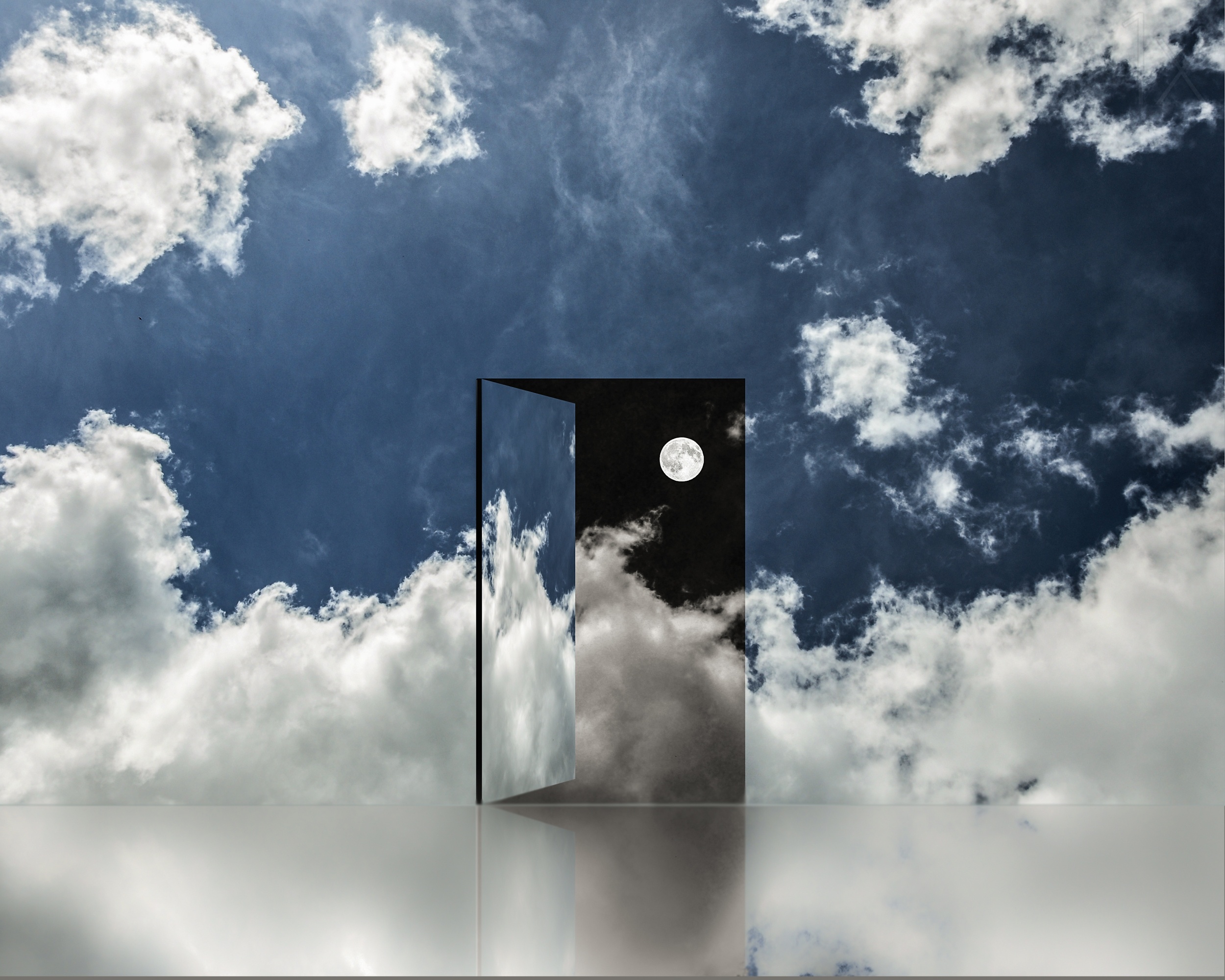
“Event Horizon” by Dave Quince
Even the simplest threshold can become an object of art in the architecture of entry,
shaping how we approach, arrive at and cross over into another space.
An entrance slows us down.
It demands our attention and intention, and sometimes even our hesitation.
We rarely notice this in daily life. Doors are opened, gates are passed through and corridors are crossed without a second thought. Yet each one marks a quiet shift: There is an 'before' and an 'after'.
The 1x archives offer a treasure trove of such moments: international photographs shaped by culture, materials, light and time.
Some are ornate, exuding importance and ceremony.
Others feature graphic geometrics reminiscent of pop art, while some are worn, almost disappearing into their surroundings.
Yet they all share a common function: they mark the act of crossing.
Perhaps this is why they continue to draw us in.
Every threshold carries a quiet question: not only what lies beyond, but also who we are as we step through it.
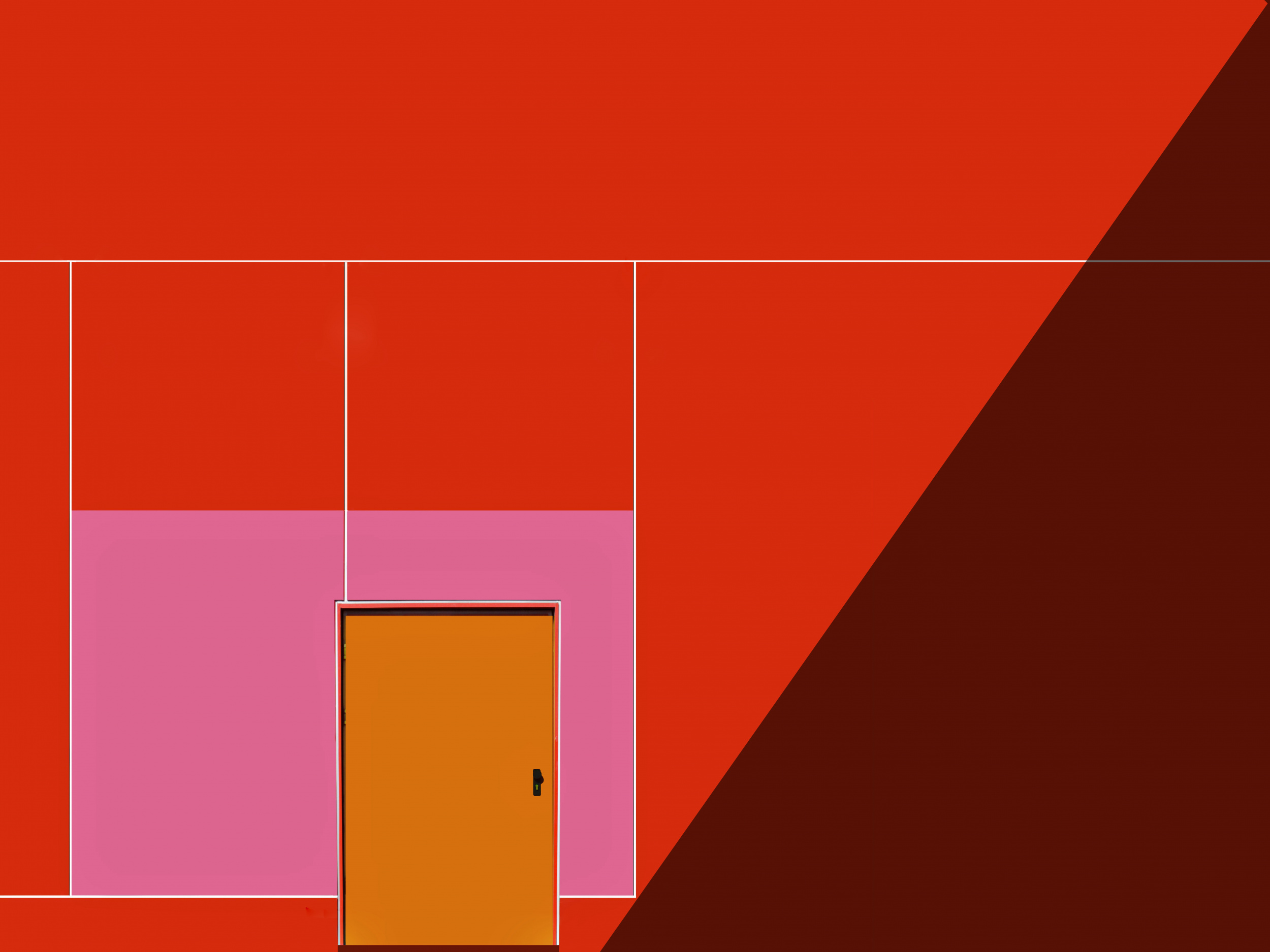
“Façade -Ramat Gan” by Arnon Orbach
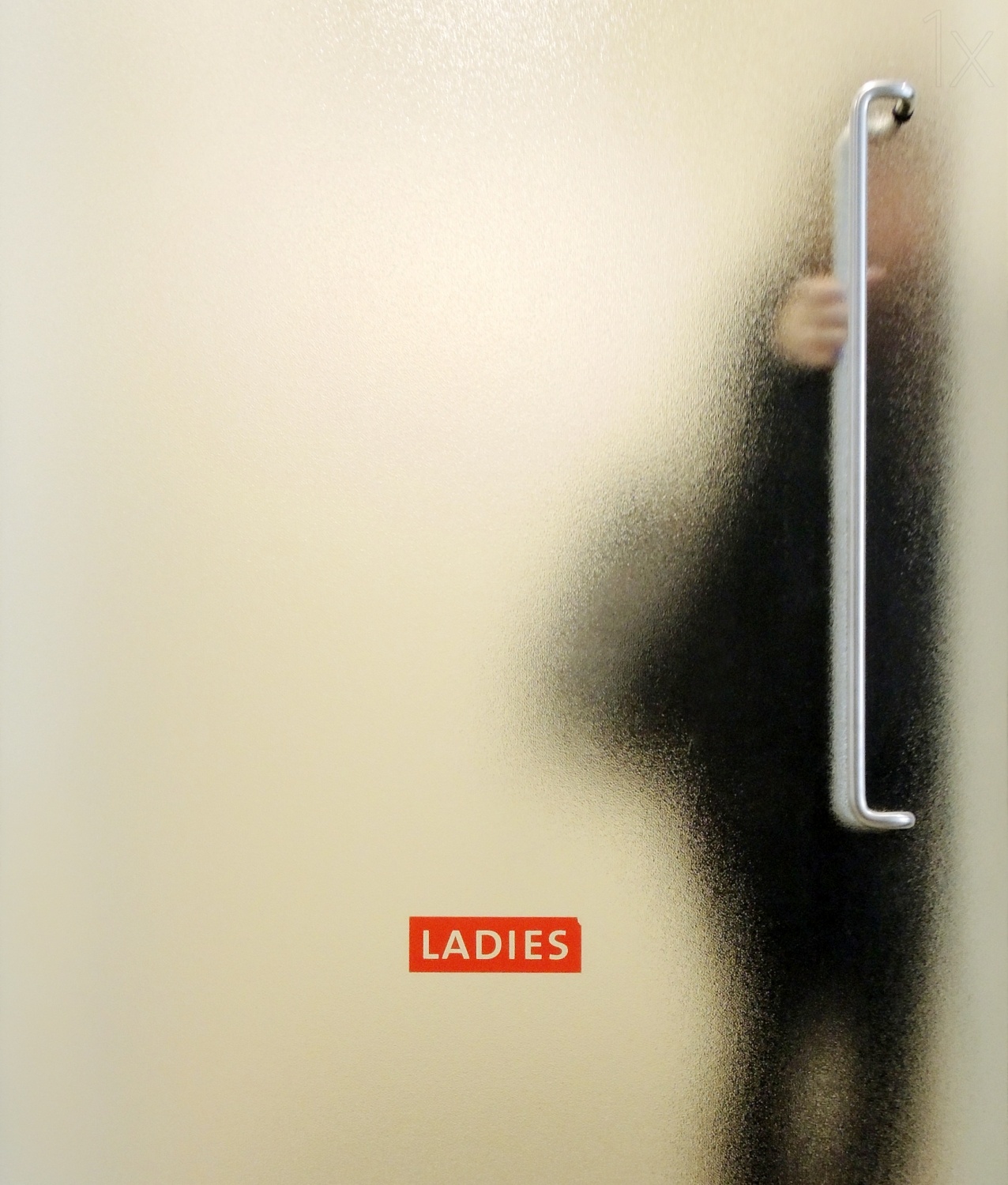
“Ladies' by Huib Limberg
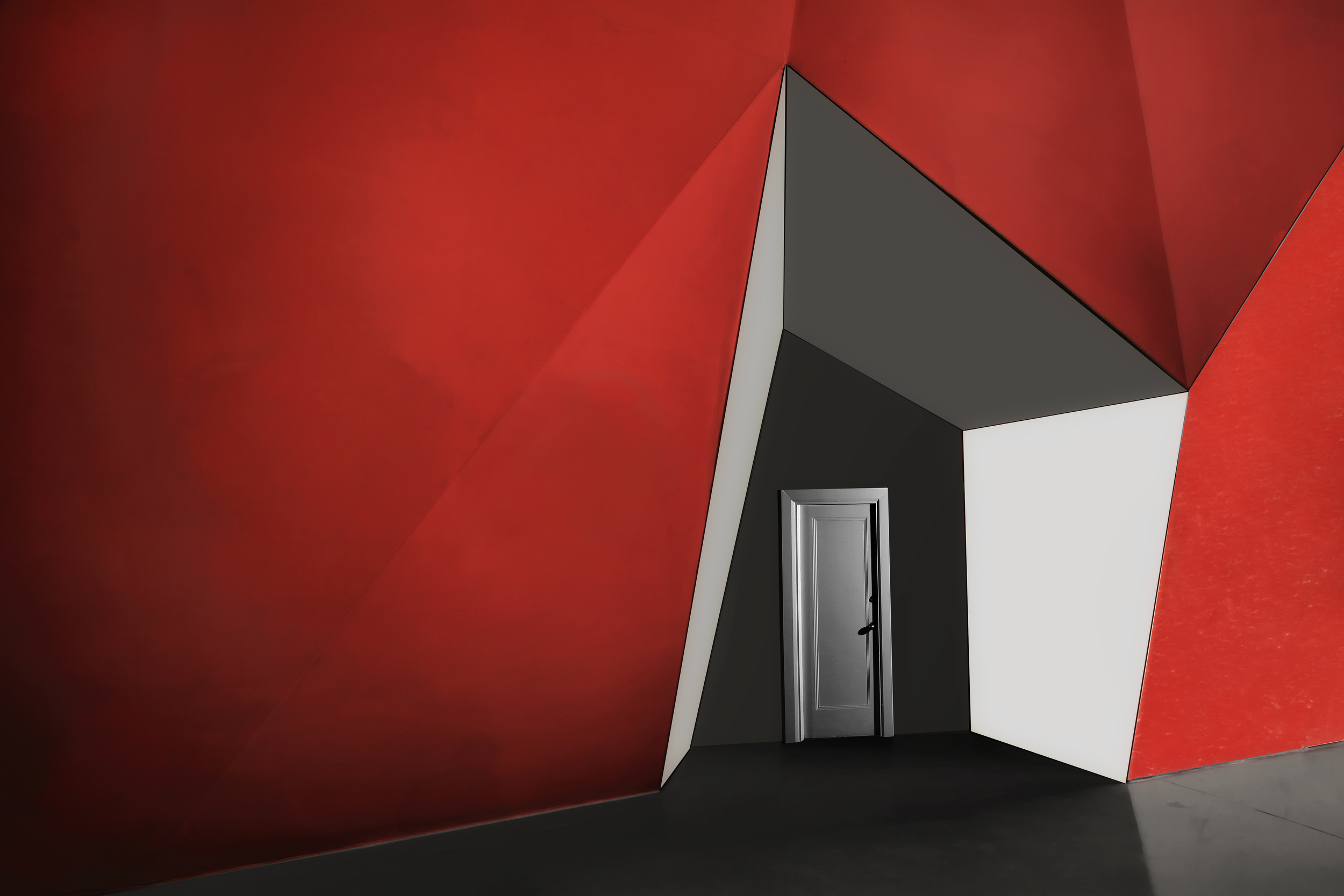
“untitled” by Ibrahim Nabeel
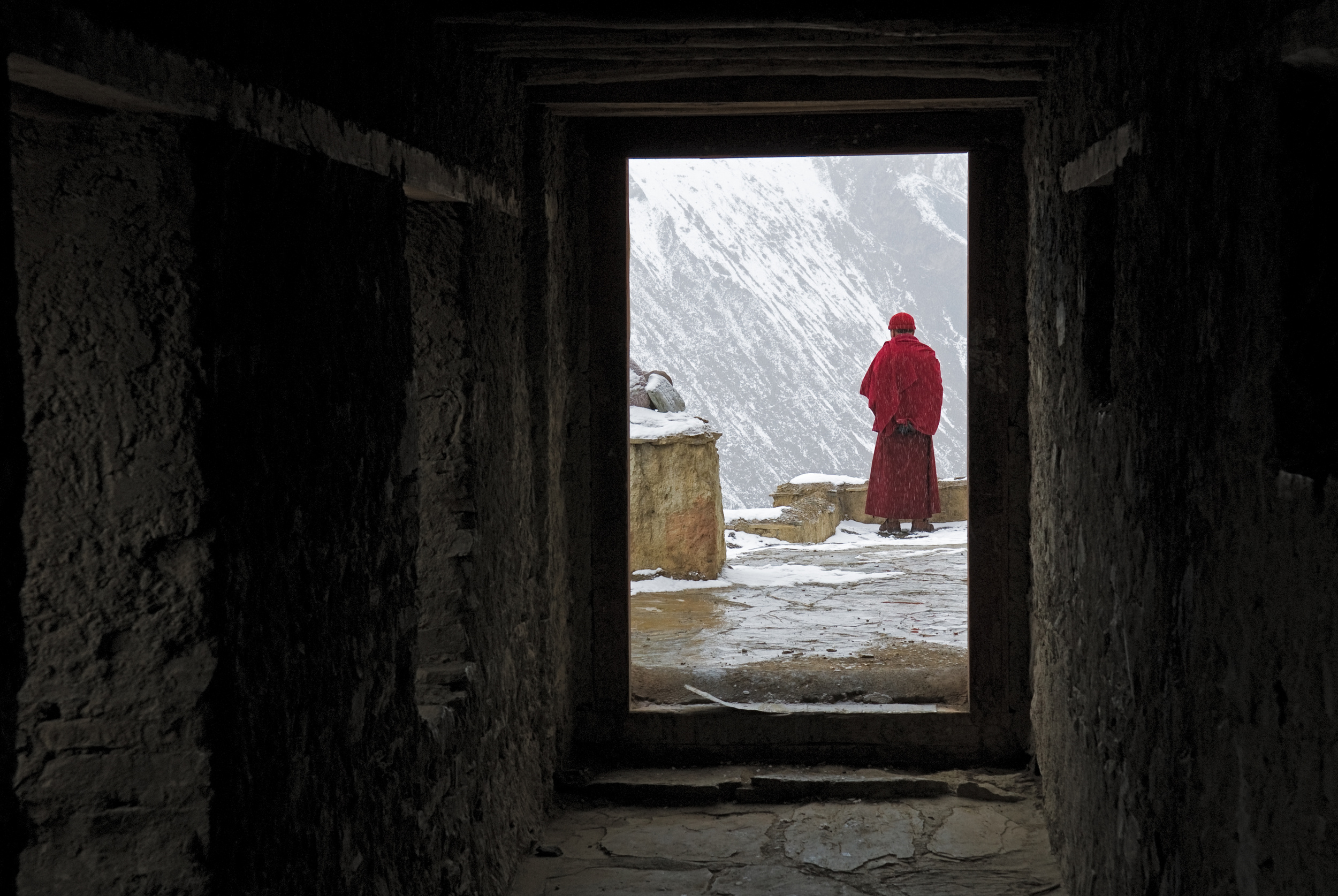
“Lama-ji at Lamayuru Monastery” by Benton Murphy MD
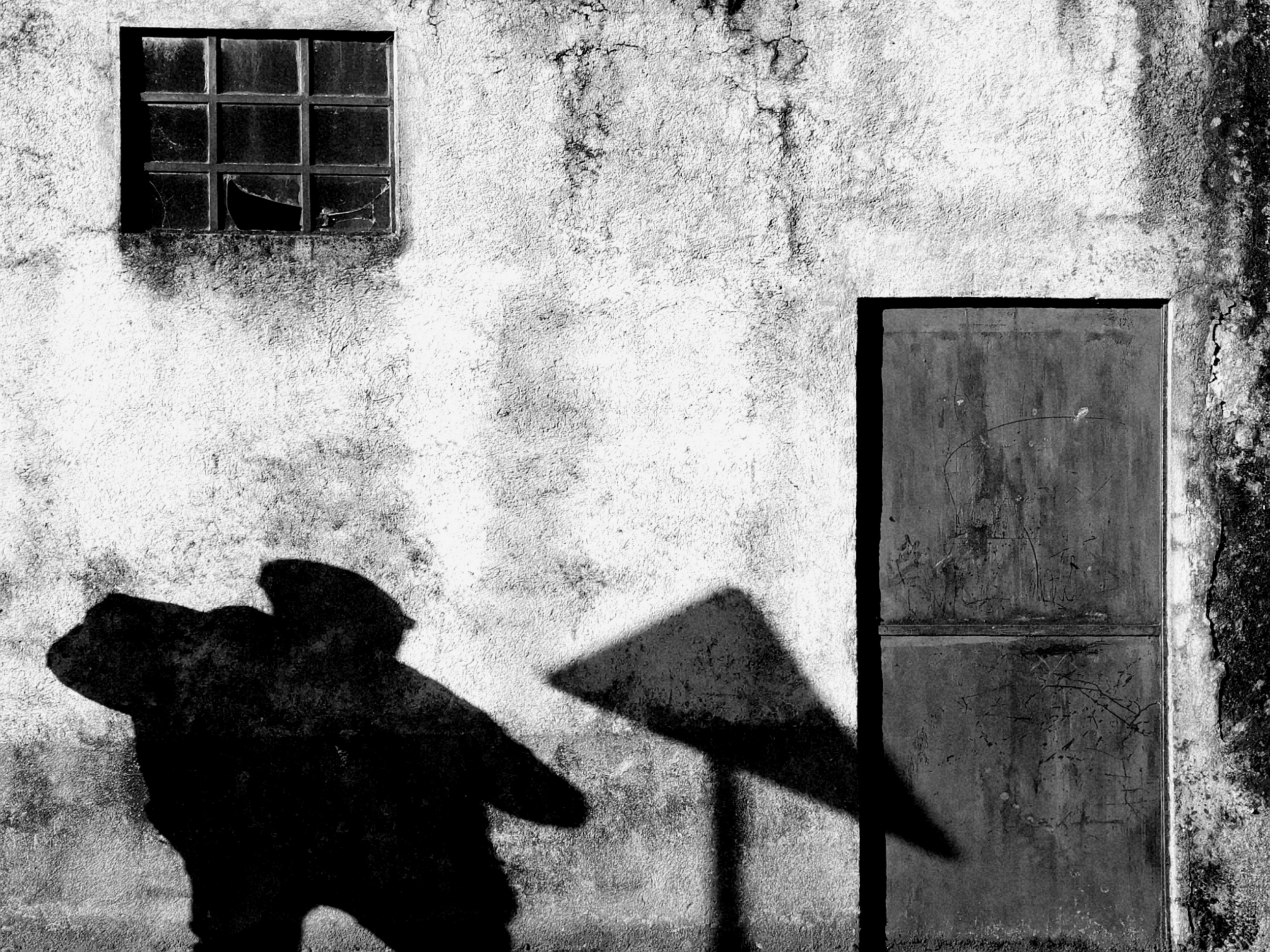
The Obliquity of Shadows” by Miguel Silva
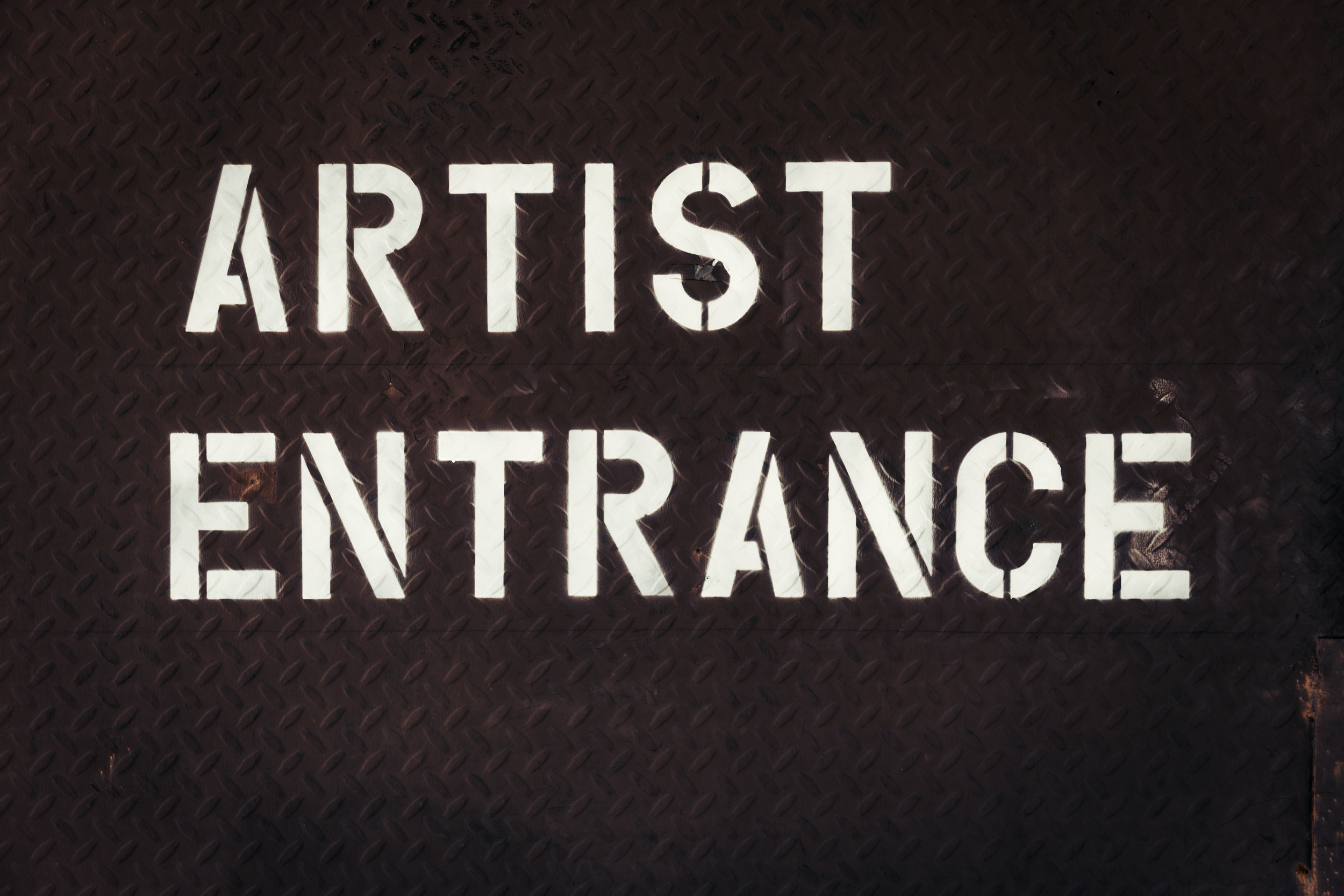
“Artist Entrance” by Tim Mossholder
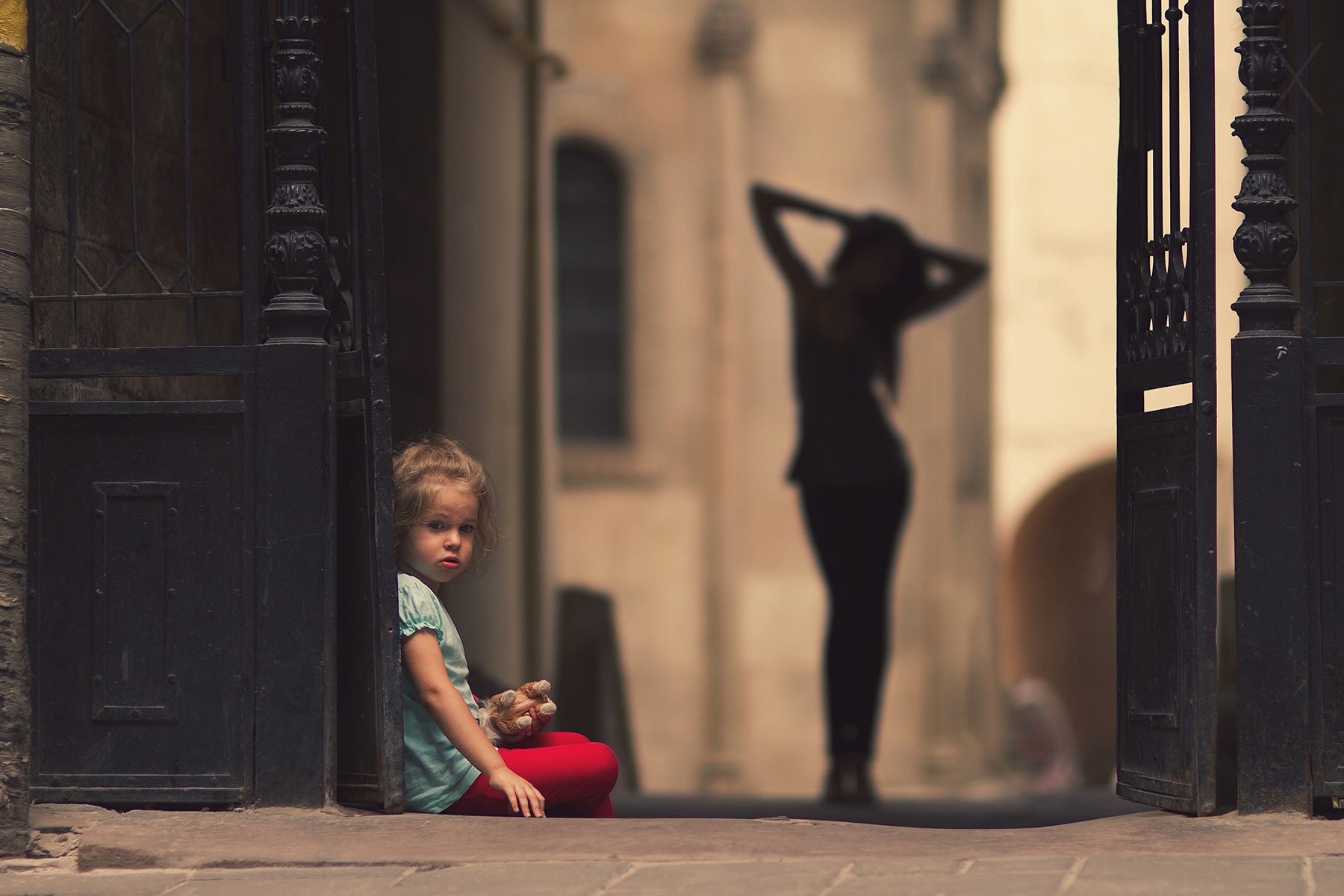
“Dreams” by Anri Croizet
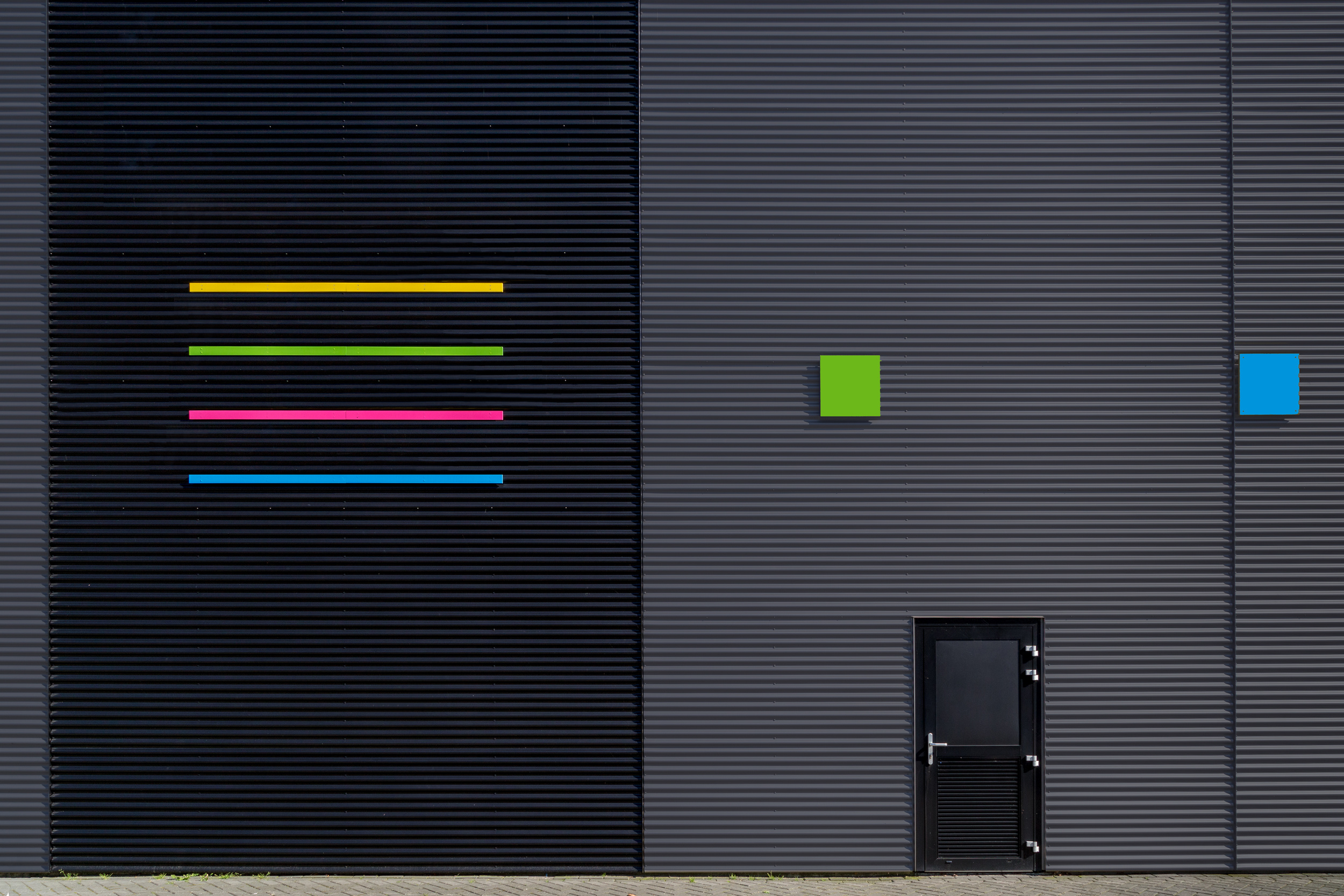
“Black Front” by Theo Luycx
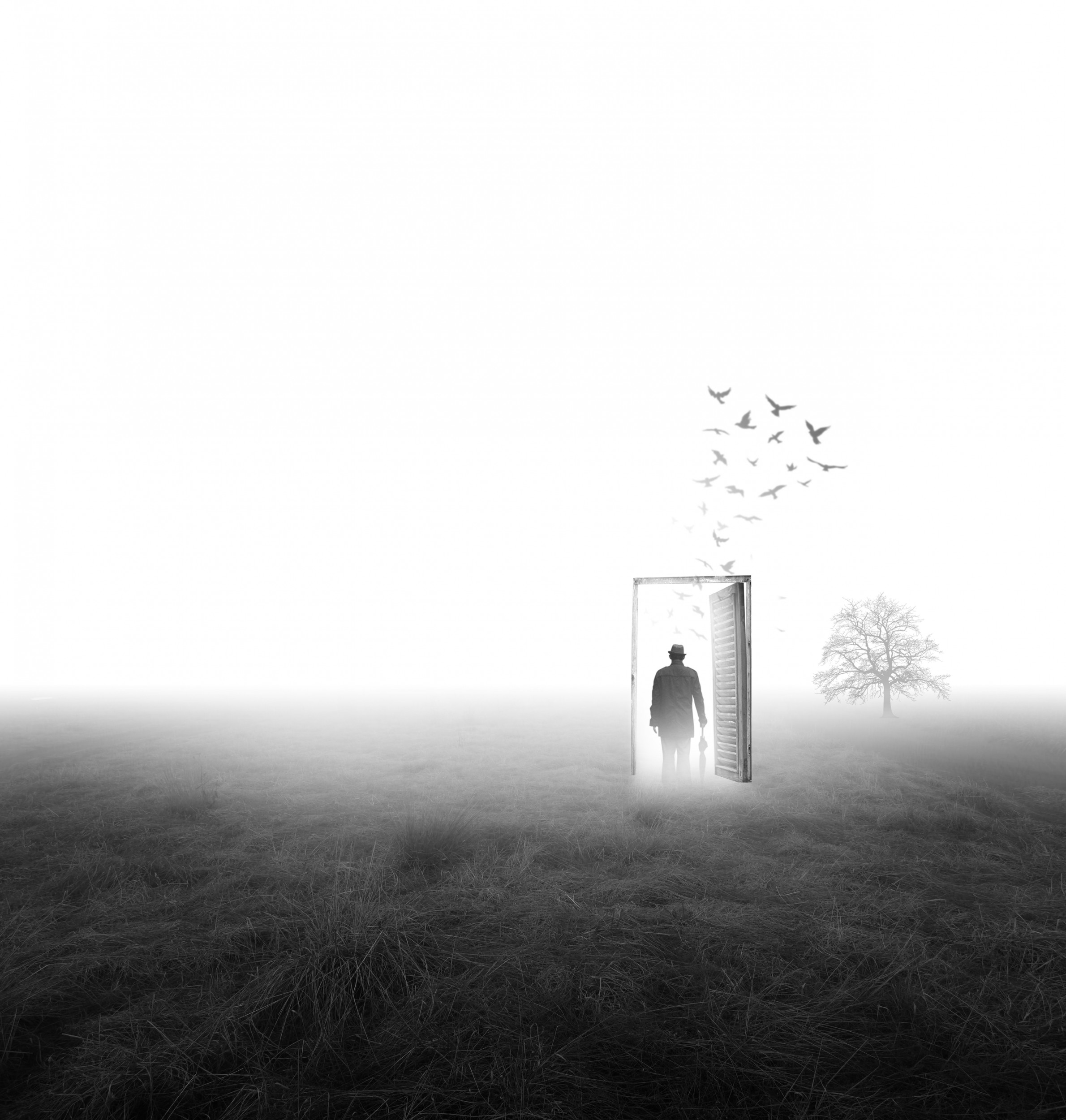
“The Gate” by Hari Sulistiawan
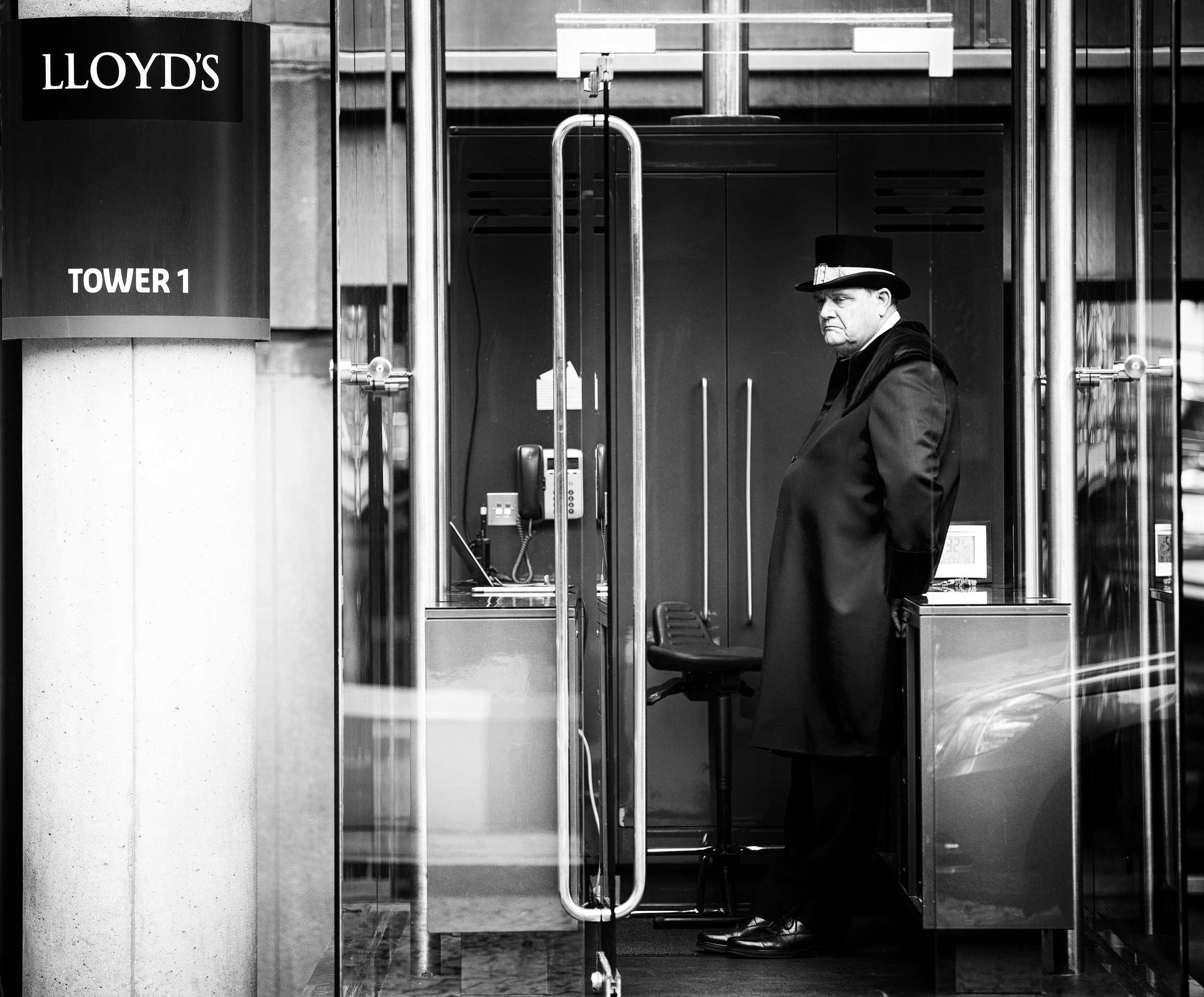
“Lloyds” by Julien Oncete
In art theory, entrances are often used as metaphors for transitions or metamorphoses.
They imply movement between states — grand or humble, public or private, real or imagined.
However, they are not merely symbolic.
They are also experiential.
A narrow passageway constricts the body.
A high arch lifts the gaze.
A shadowed doorway conceals what lies beyond, while a brightly lit opening invites and reassures.
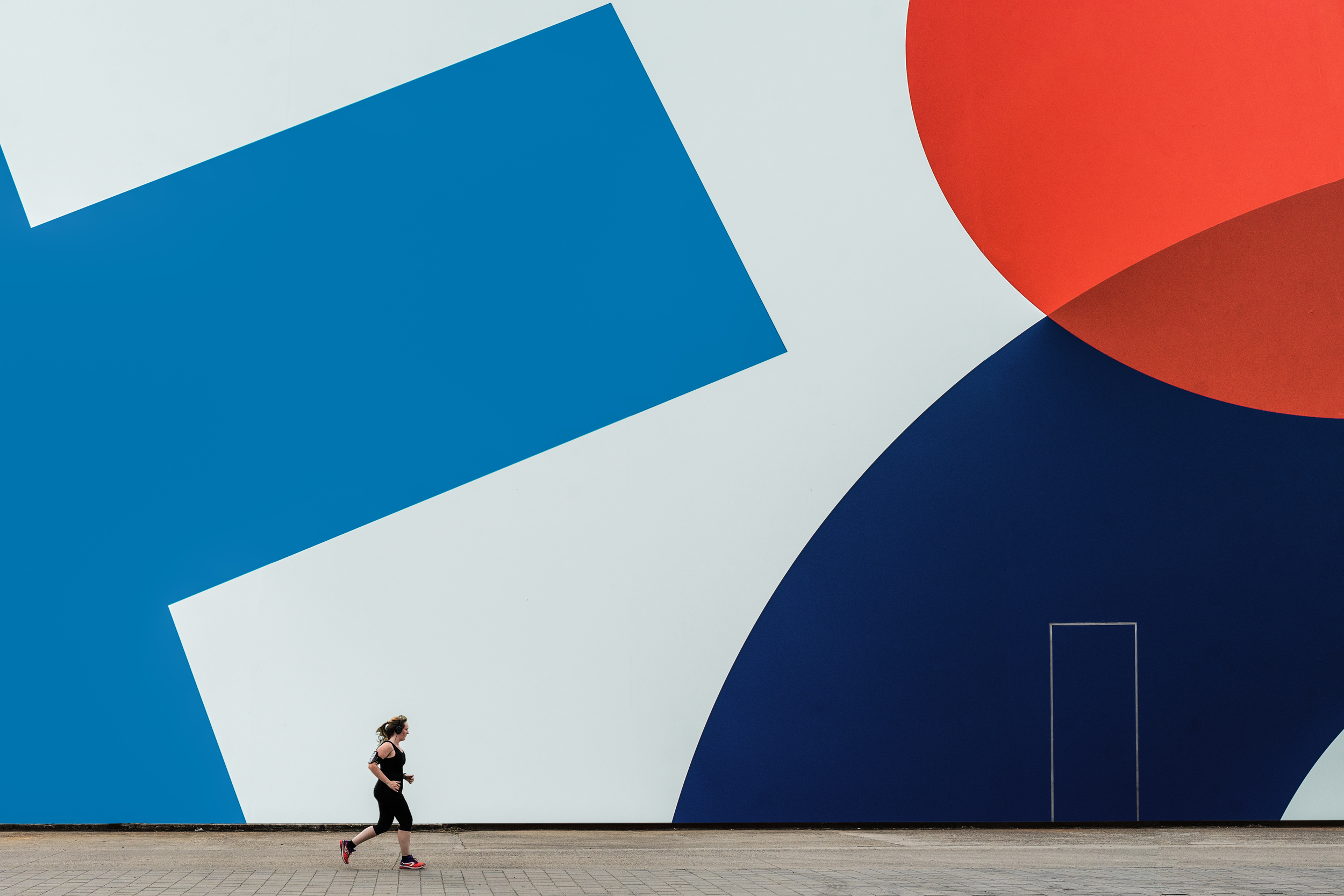
“Runner Girl” by Luc Vangindertael (la Grange)
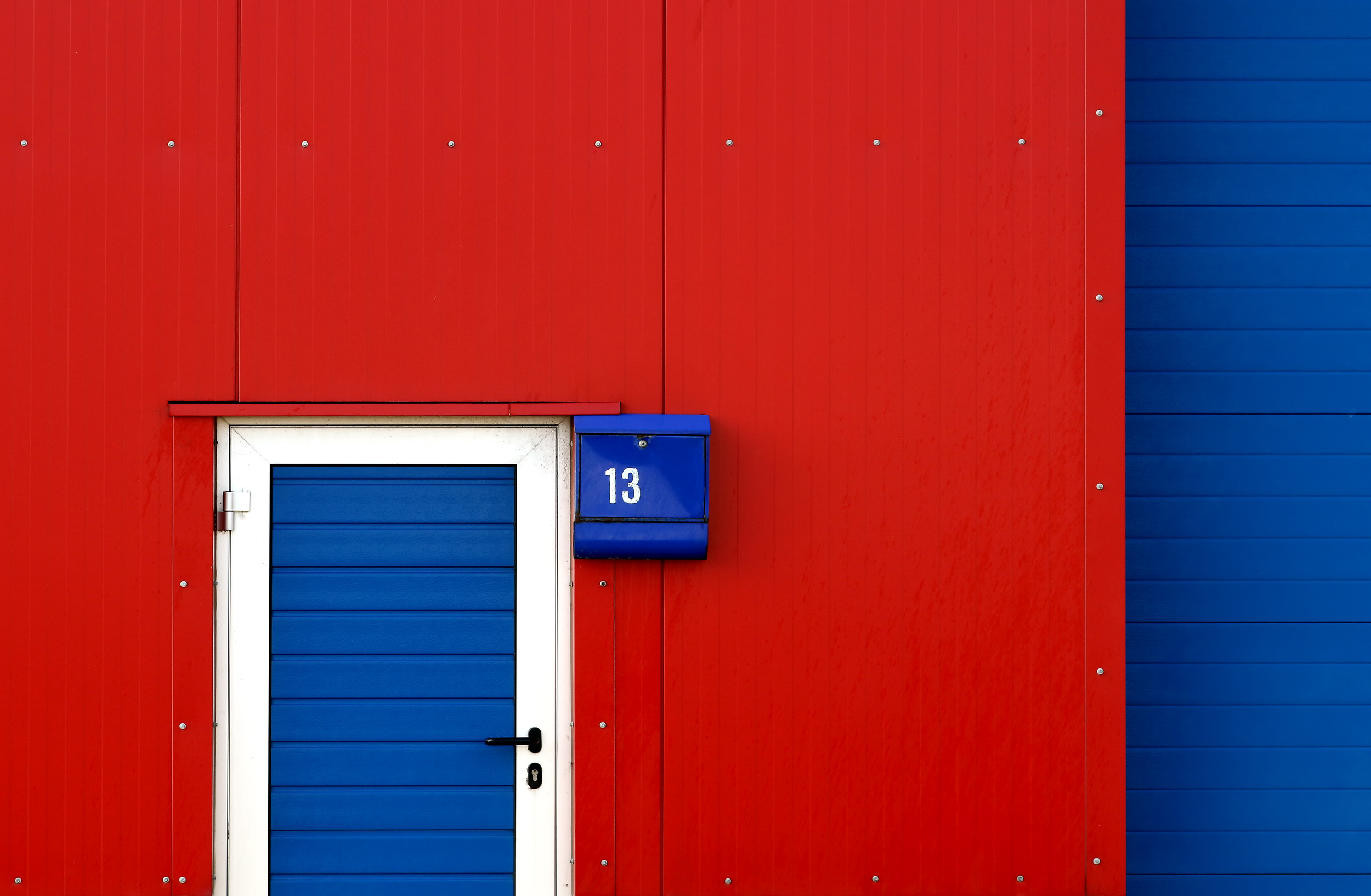
“13” by Hans-Wolfgang HawerKamp
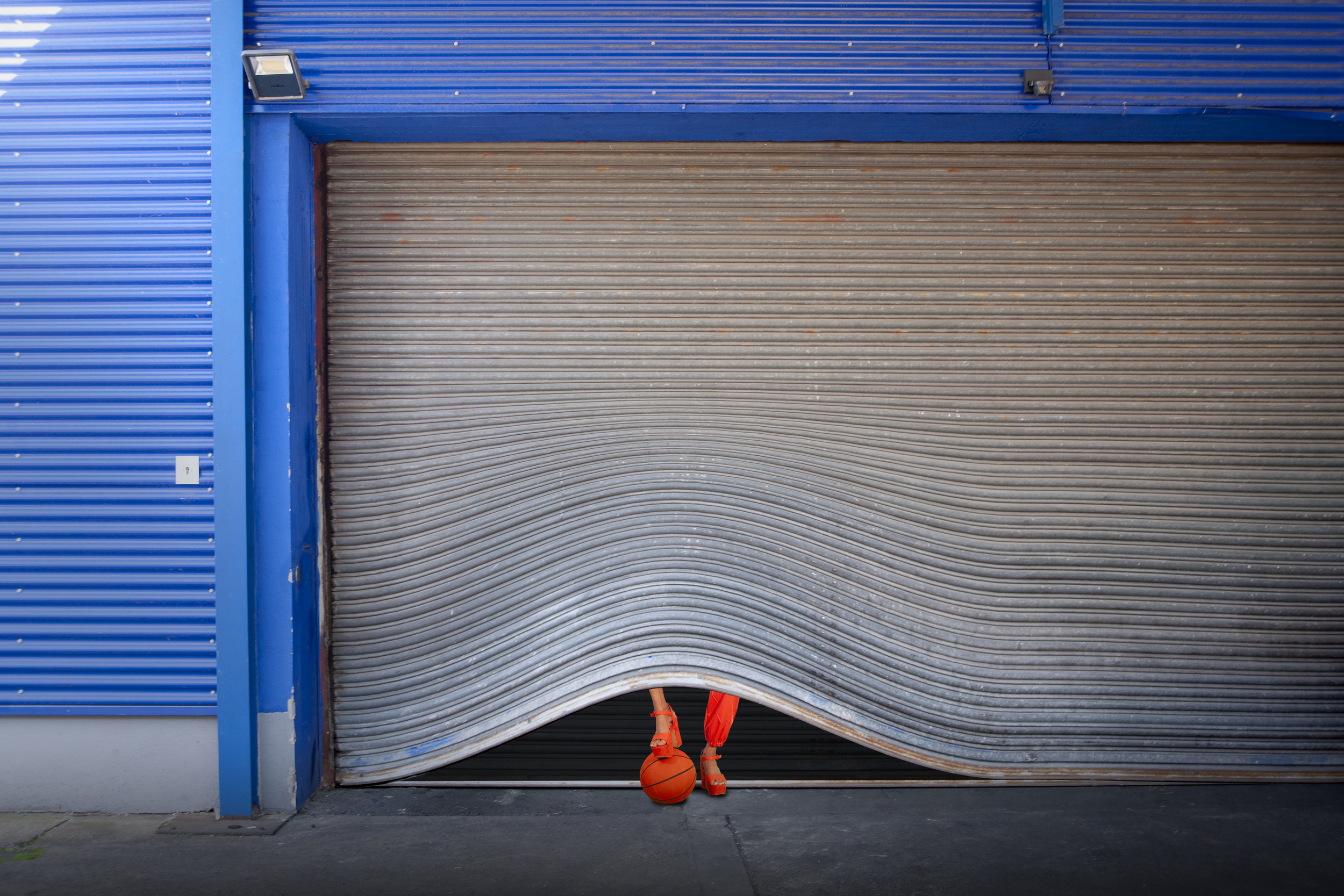
“Rolling Gate” by Christine Von Diepenbroek
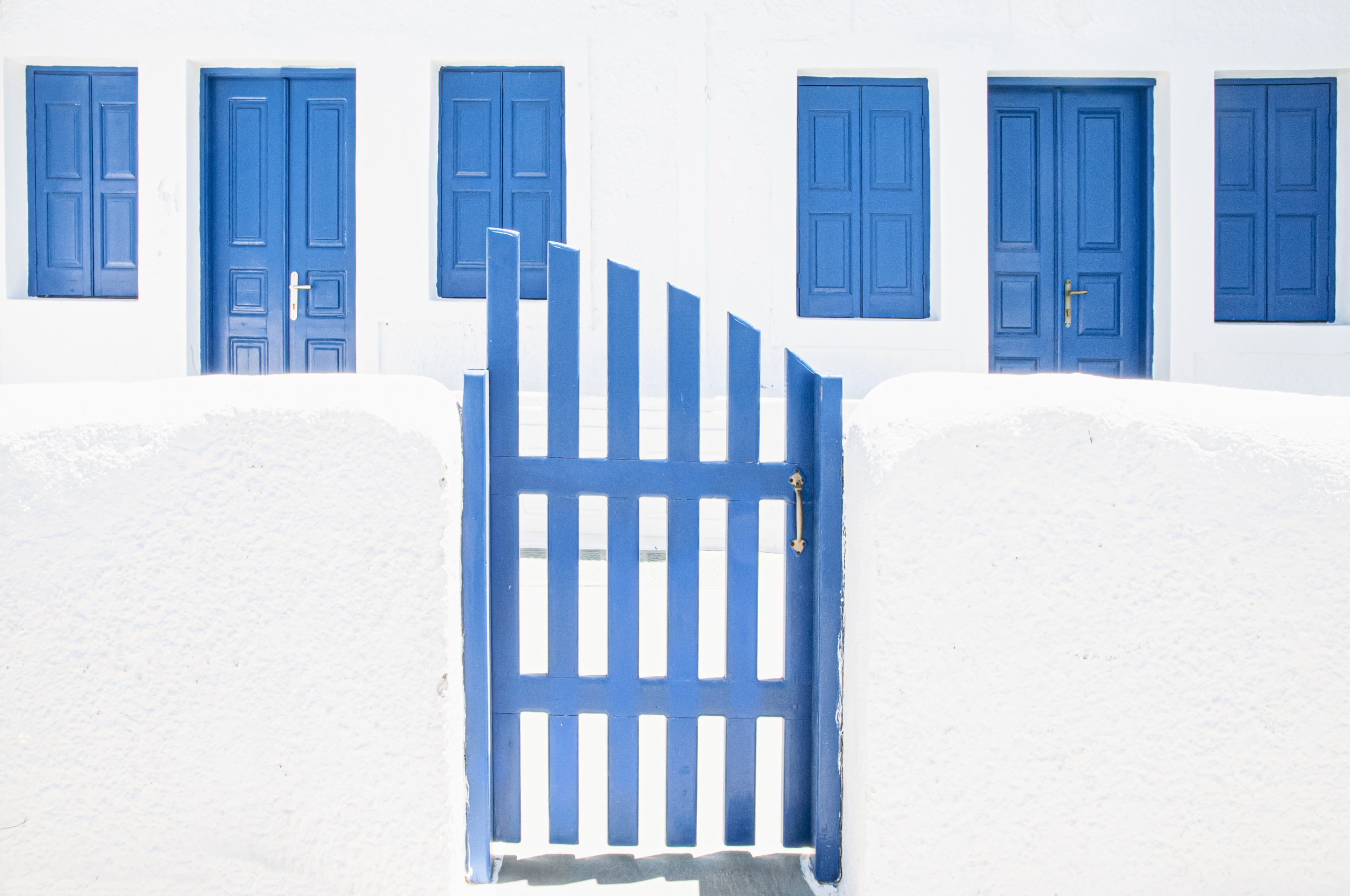
“white wash and blue paint” by Linda Wride
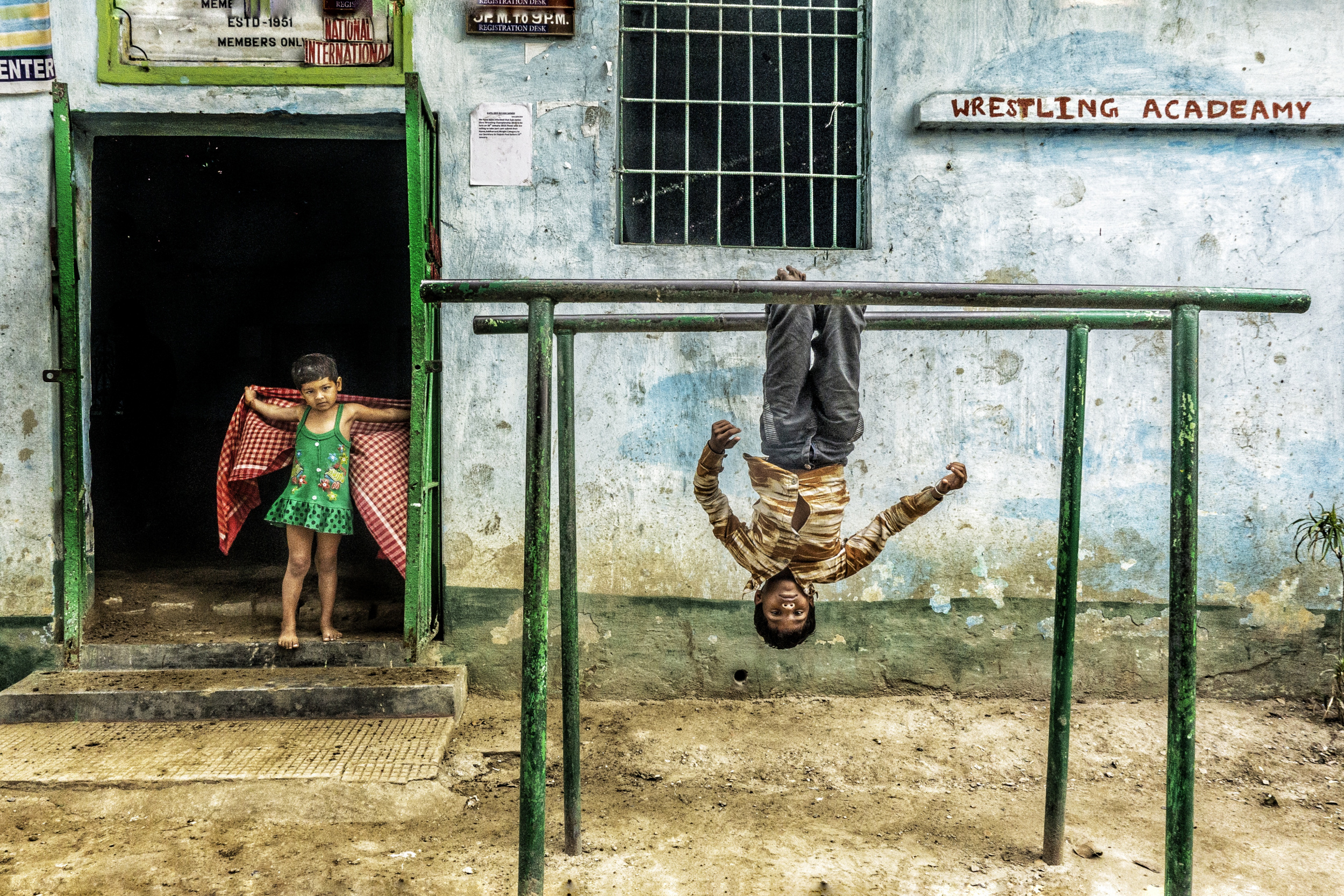
“Flipped” by Jayatu Chandra Das
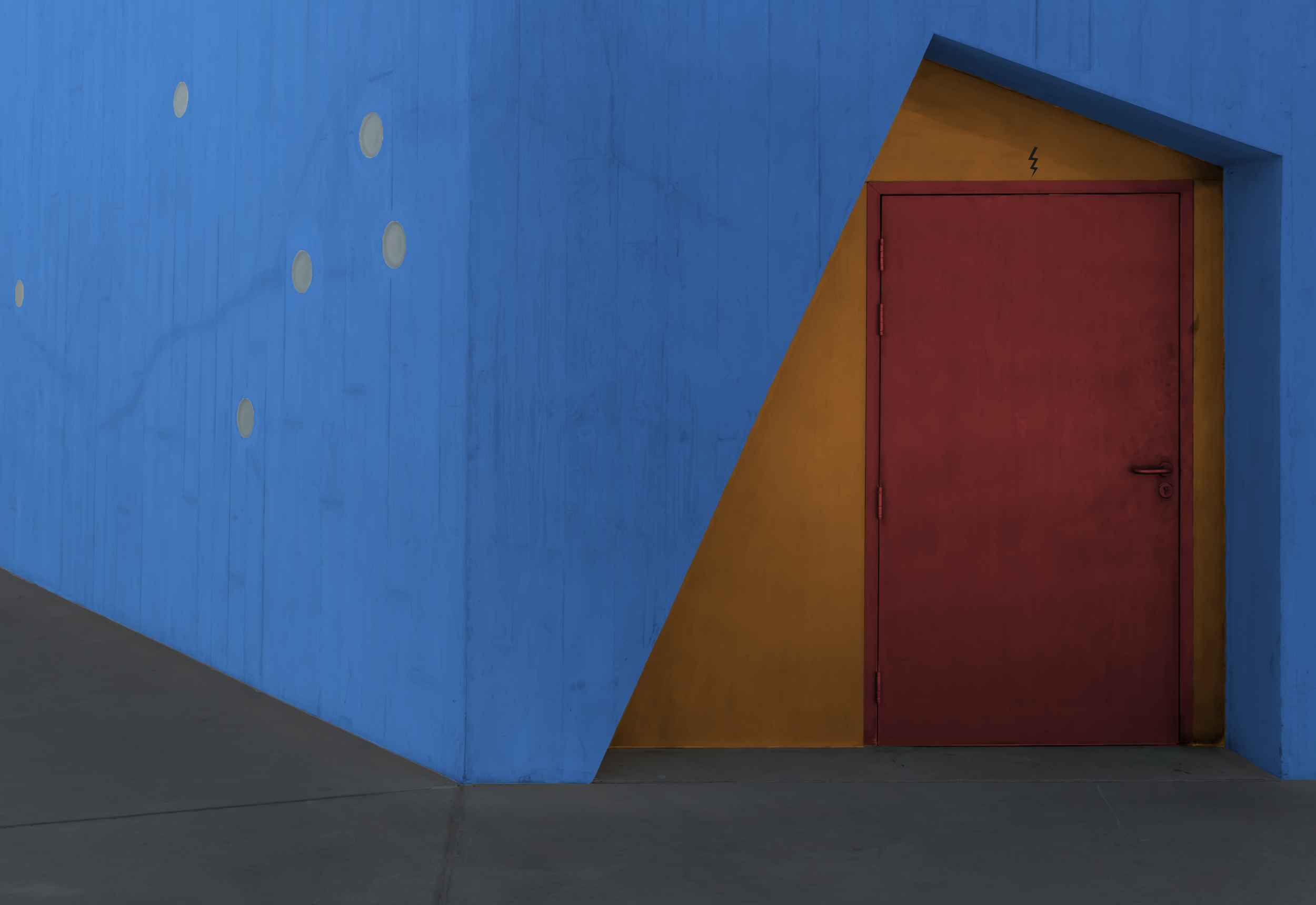
“Colorful Door” by Muhammad Almasri
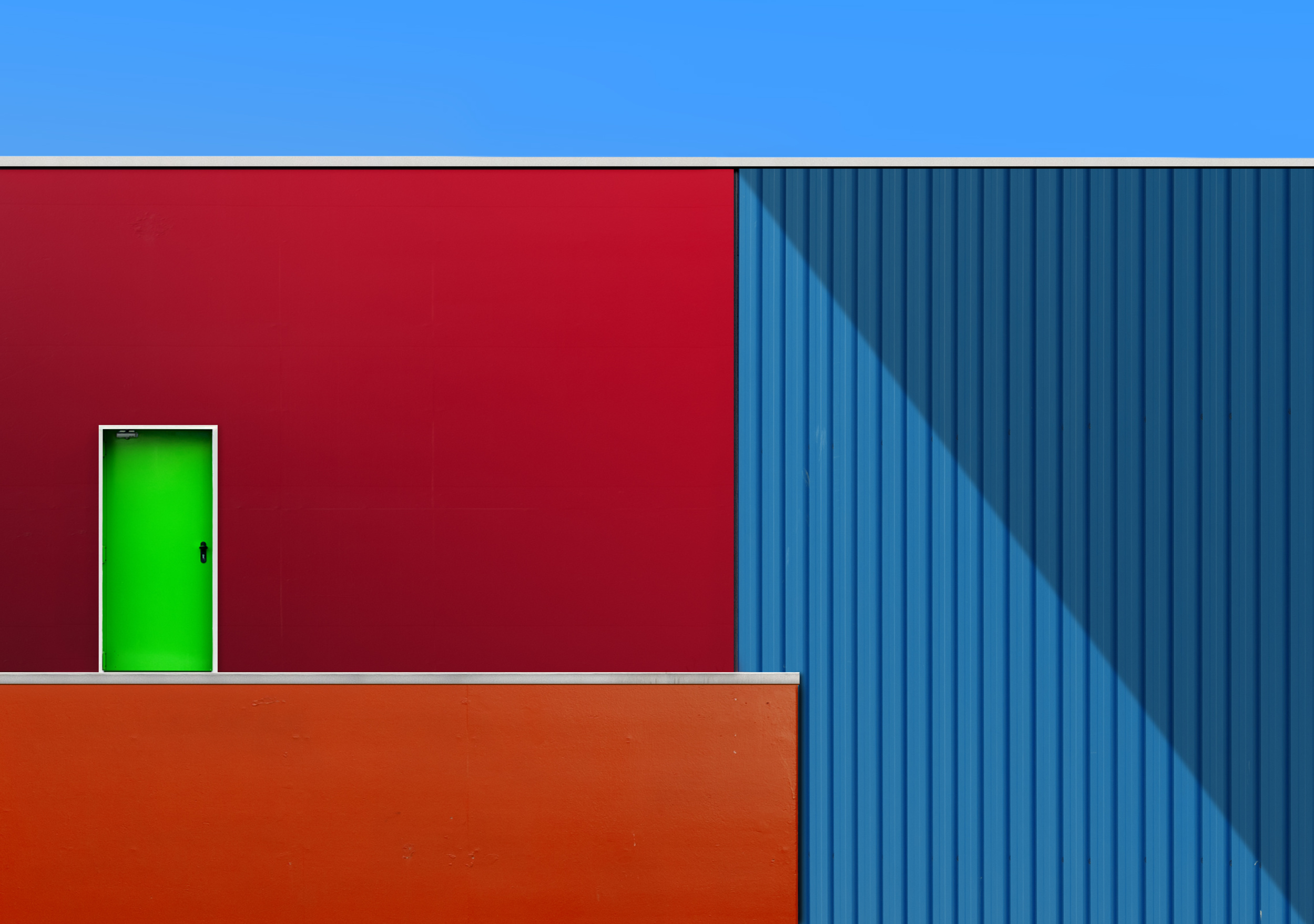
“Scraps” by Alfonso Novillo
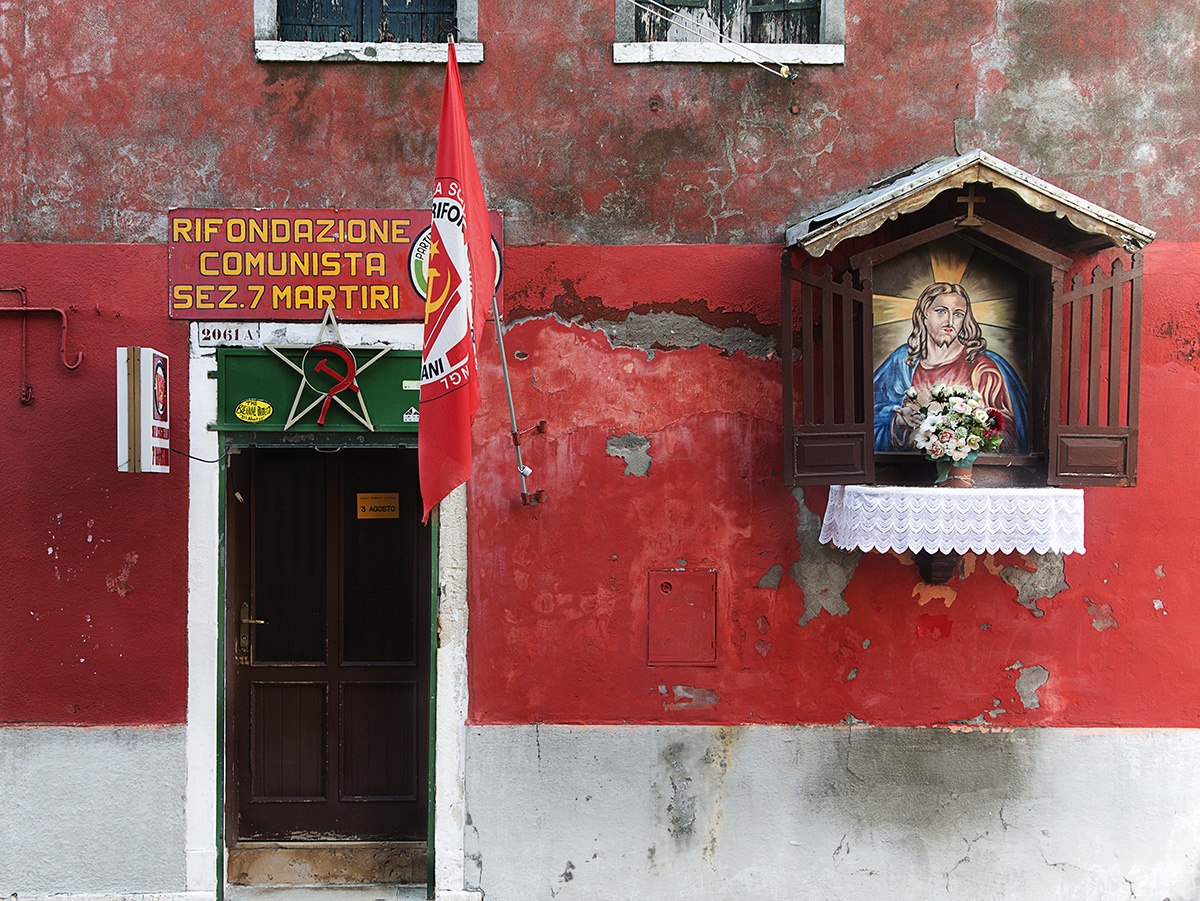
“Due Mondi/Two Worlds” by Massimo Della Latta
For photographers, entries offer the potential for mystery, intrigue and narrative.
They capture the unknown. They reveal just enough.
What is hidden becomes as important as what is seen.
A closed door suggests absence or refusal.
An open gate suggests passage, but not destination.
A figure standing at the threshold is suspended between two worlds, belonging fully to neither.
In this way, the entrance is more than just a place.
It is a moment.
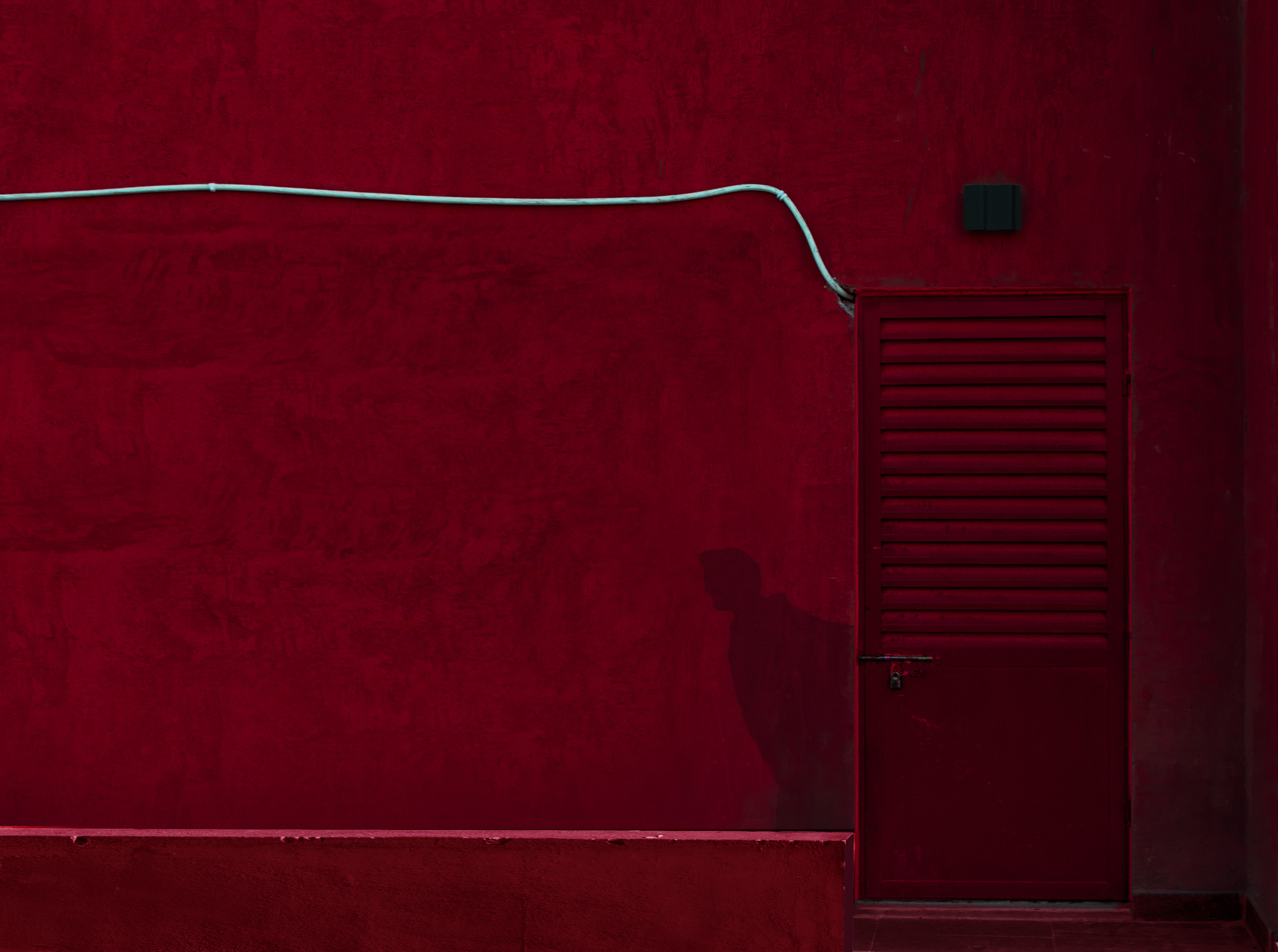
“Exit” by Ibrahim Nabeel
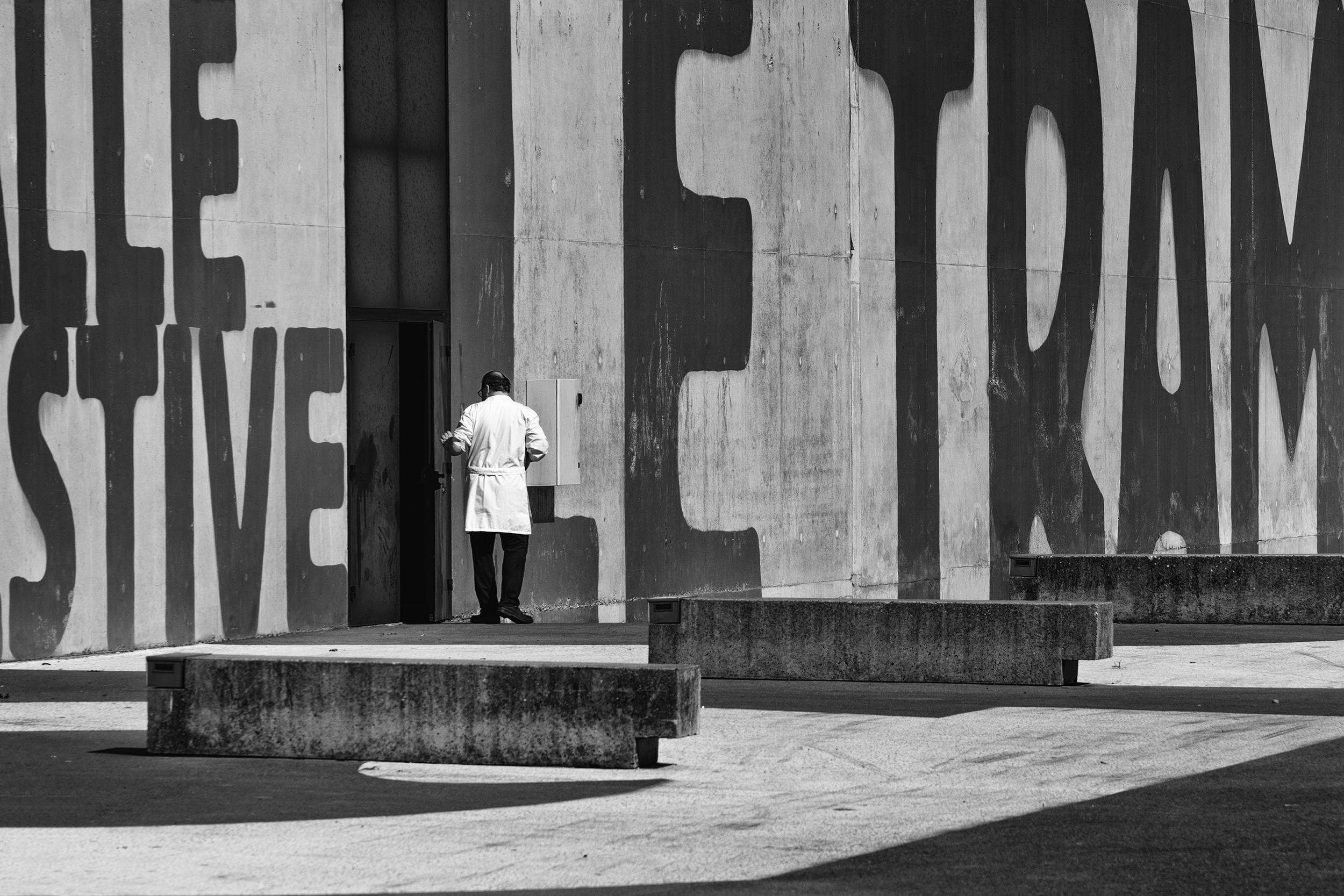
“Le Tram” by Luc Vangindertael (la Grange)
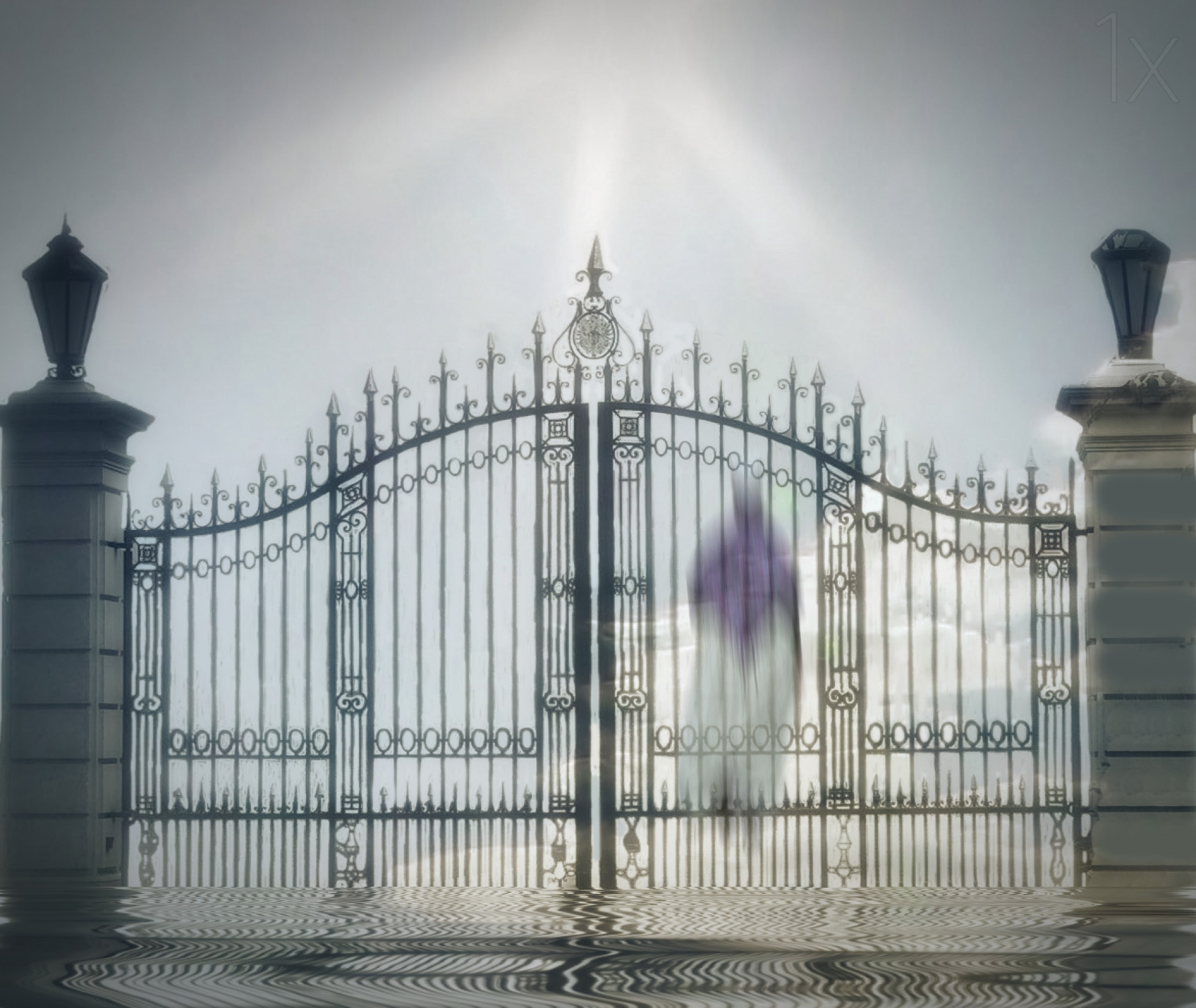
“What’s Behind” by Anna Cseresnjes
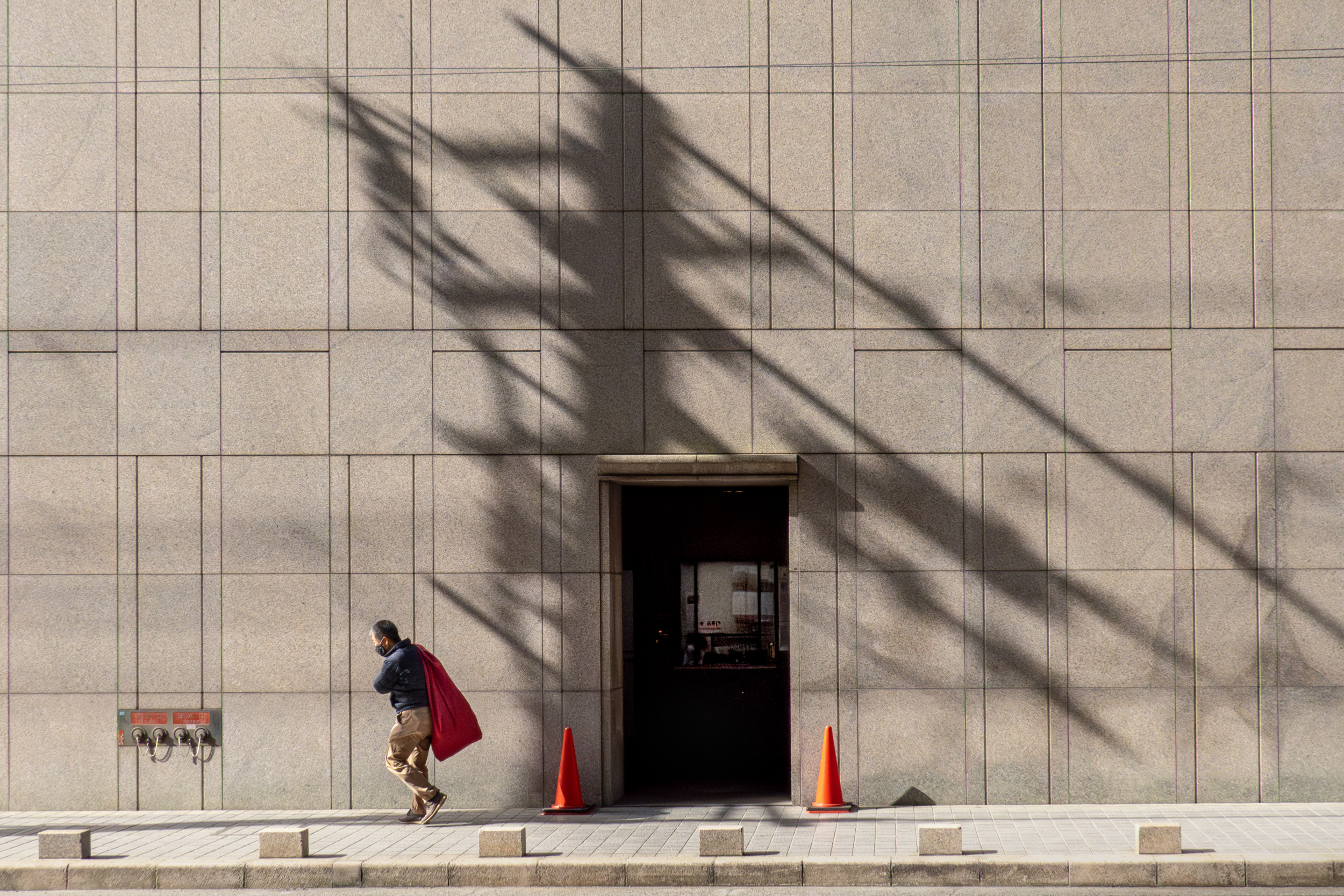
“Untitled #58” by Haruyo Sakamoto
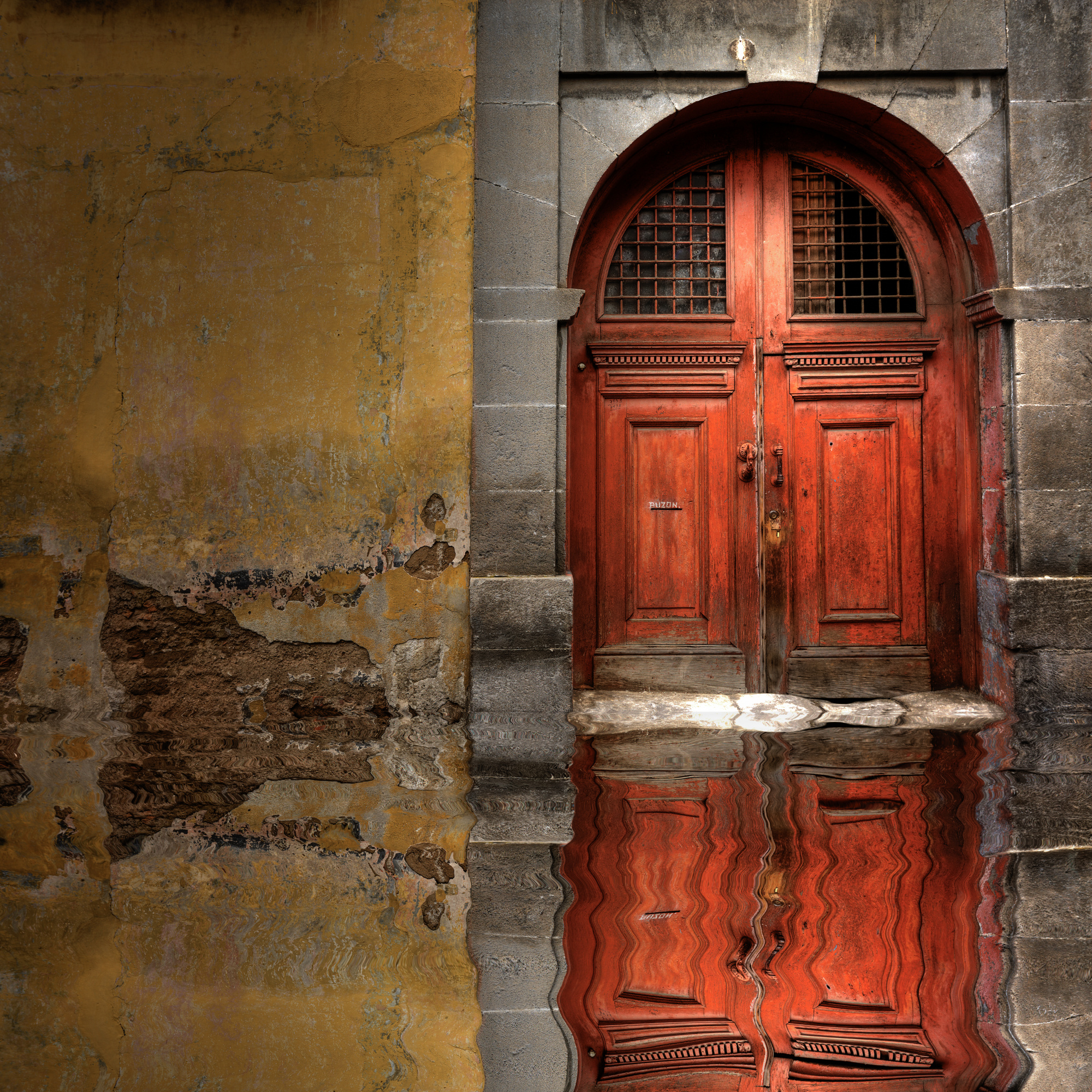
“Reflections” by Edgar Monzon
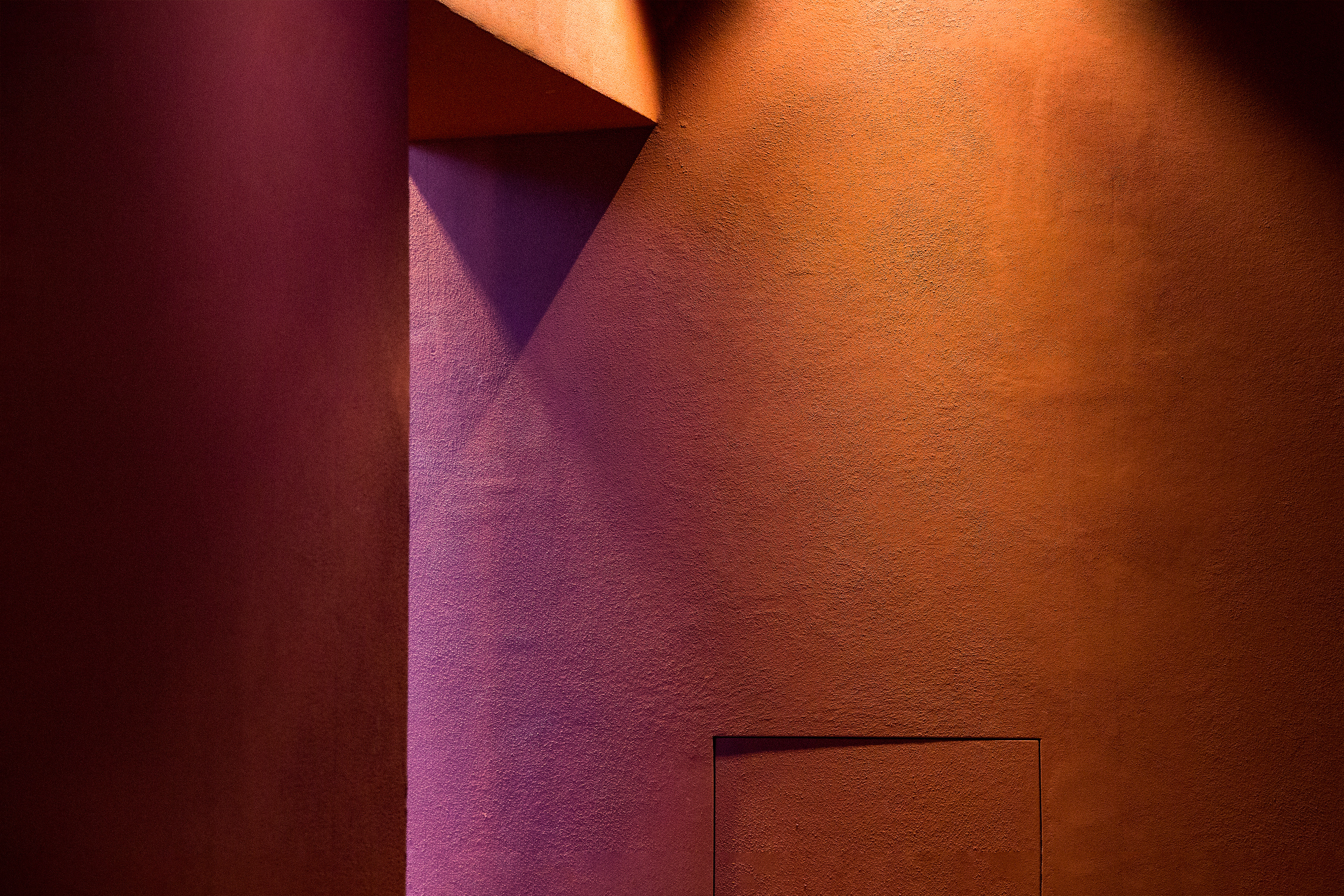
“Light on a Wall” by Inge Schuster
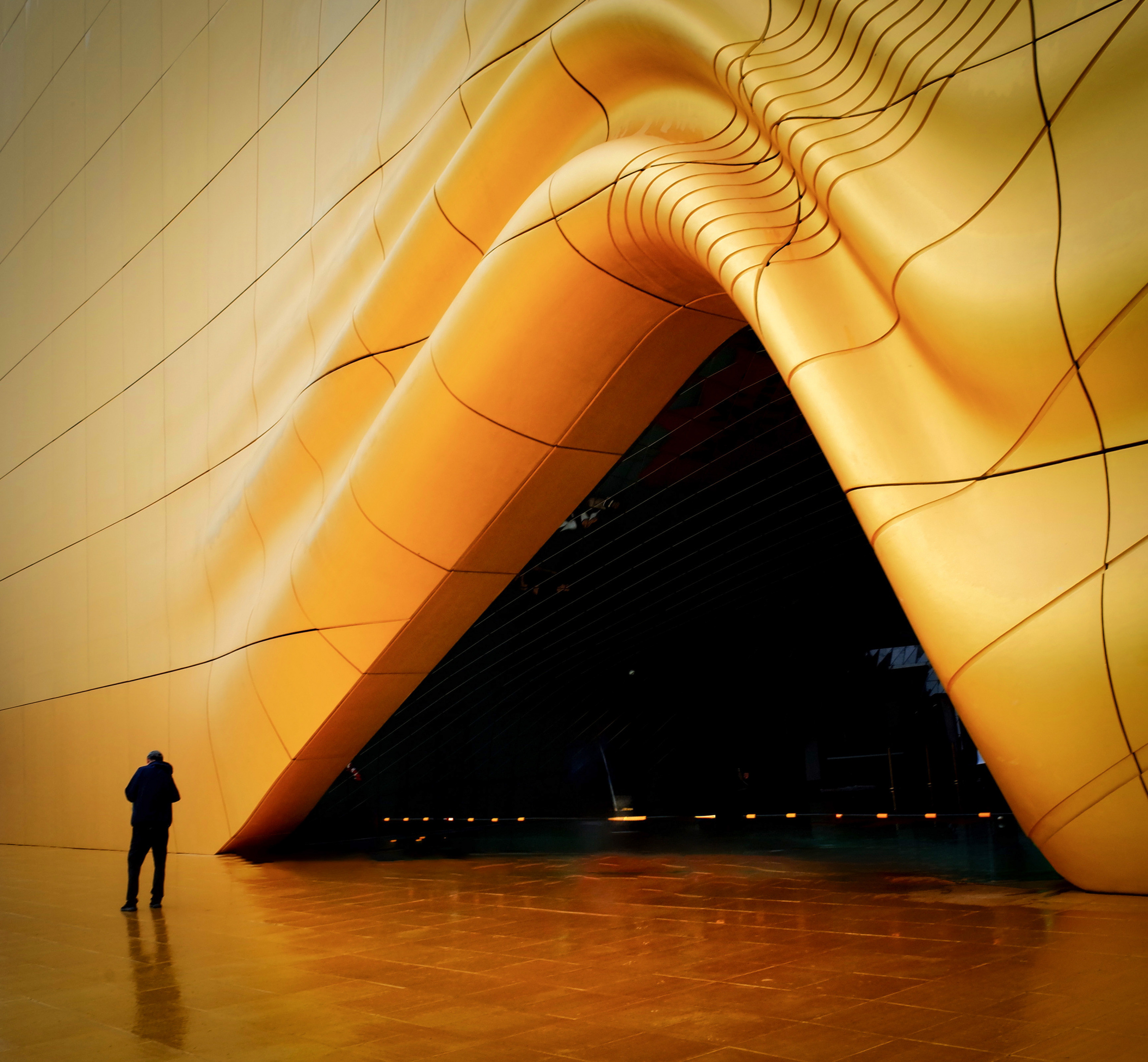
“Hotel Paradise City” by Mi Young Choi
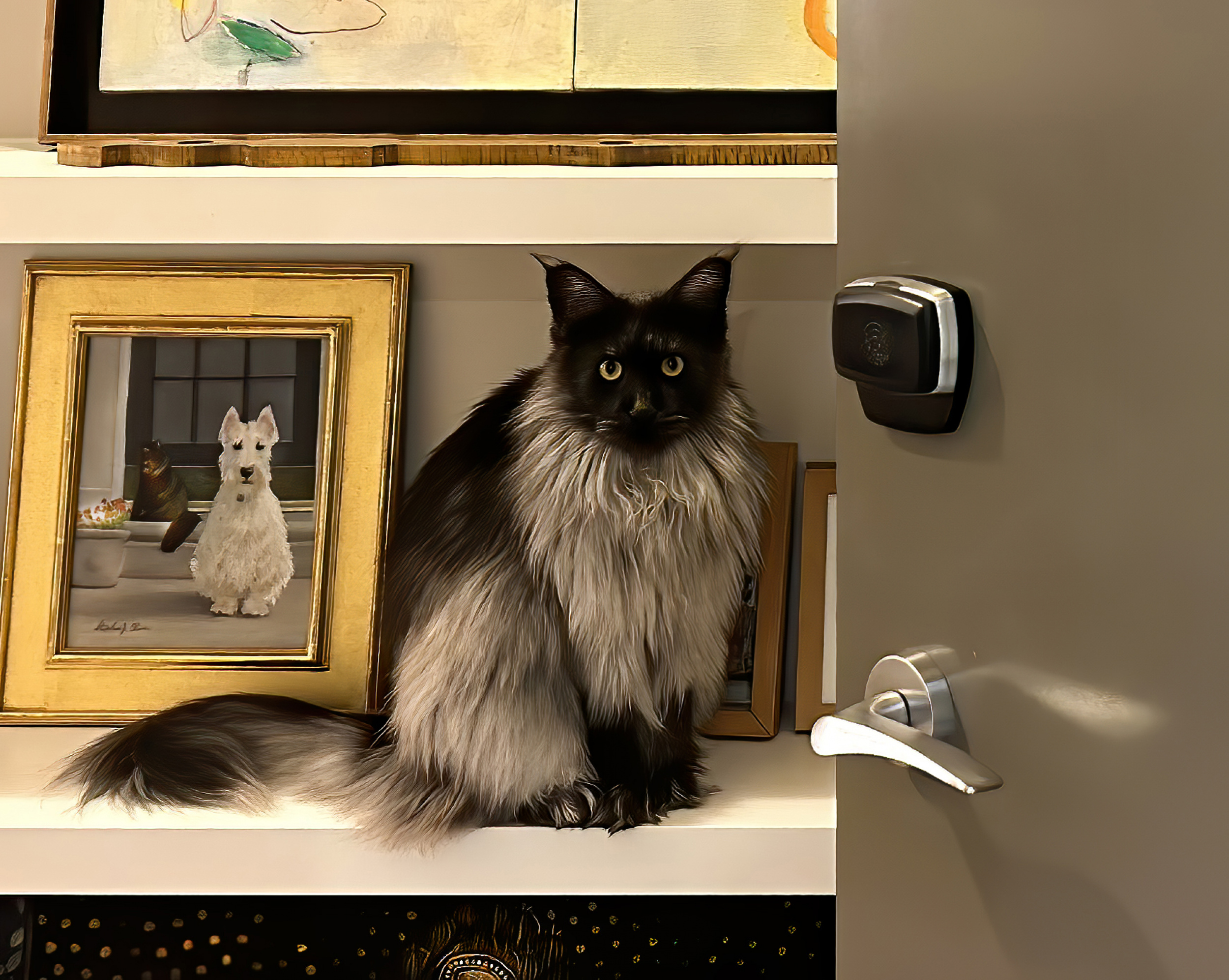
“Hello” by Jane Lyons
|
 | Wael Onsy PRO very nice collection. |
 | Fantastic article and inspiring images!!! Thank you!! |
 | Jane Lyons CREW Thanks for checking in Christine! |
| | Jane Lyons CREW Thanks so much for commenting, Carolina |
 | Mind-blowing collection of images and fantastic article to depict the theme. Congratulations to the featured photographers for their impressive work and special thanks to Jane and Yvette for publishing this very colorful article! 👏👏 |
| | joanaduenas PRO Interesting topic, well illustrated and developed, congratulations. |
 | Dazhi Cen PRO Excellent presentation! |
| Jane Lyons CREW Thank you for checking in, Dash |
 | Nichole Chen PRO Really enjoyed this feature on Entrances. The bold colors, visual contrasts, and creative concepts are striking and thought-provoking at the same time. Very eye-opening and inspiring collection. Thank you Jane and Yvette. |
| Jane Lyons CREW Thanks for commenting, Nichole |
 | Miro Susta CREW An interesting subject, wonderful introduction, lovely photo selection, thanks Jane and Yvette, well done. |
| Jane Lyons CREW Thanks for your comments, Miro |
| | DonnaHom APA PRO What an excellent selection of the theme! The collection of entrance images are very presented with variety of artistic forms. I enjoy viewing those outstanding image. Thank you for the edition and publication. |
| Jane Lyons CREW Thanks for commenting, Donna |
 | Izabella Végh PRO Bellissima di raccolta fotografica. Congratulazioni agli autori. |
| Jane Lyons CREW Thank you, Izabella |
 | Grazie Staff e complimenti a tutti. Thank you staff and congratulations to everyone. |
 | Thank you very much for creating this magazine with its unique photos! |
| Jane Lyons CREW Thank you for checking in, Robert |
 | Yinghui Dan PRO Remarkable work, thank you very much! |
| Jane Lyons CREW Thank you for commenting, Yinghui |
| | Eiji Yamamoto PRO Dear Jane, thank you so much for the very interesting and inspiring article with great photos! Dear Yvette, thank you so much as always! |
| Jane Lyons CREW Dear Eiji, thank you for always commenting. I appreciate that. |
 | Theo Luycx CREW A very nice album and thank you Jane and Yvette you also selected my photo |
| Jane Lyons CREW Hi Theo, thank you for commenting. |
 | Hi Jane, thank you for this fascinating article, illustrated by some of the best door photos here on this site. I am proud and thankful to be part of it. Thank you Yvette and your team for all the fine magazine work. |
| Jane Lyons CREW Hi Luc, thank you for commenting! |
 | Md. Arifuzzaman PRO Incredible work! Totally i lost in different world! |
| Jane Lyons CREW Thanks for checking in! |
 | cool idea for an article about a subject in photography, my compliments to Jane and as always thanks to Yvette |
| Jane Lyons CREW Thanks for commenting, Hans-Wolfgang |
 | Linda Wride PRO I love photographing entrances (and exits!) but never really stopped to wonder why they hold such fascination as a subject. This fascinating article provides an inspired insight as to why photographers go back to this subject again and again! I’ve really enjoyed reading it. The range and quality of featured images is superb, as is the photographic treatment and processing. I’m thrilled and honoured to see one of my images included. Many thanks Jane and Yvette!
|
| Jane Lyons CREW Hi Linda, thank you for commenting. |
 | Arnon Orbach CREW What a wonderful topic. Entrances are such fascinating design elements, each with its own unique character and charm. I’m delighted you published this beautiful article with such inspiring images. Special thanks to Yvette and Jane for choosing one of my photographs — I’m truly honored. |
| Jane Lyons CREW Thank you for commenting Arnon! |
 | Oscar Lopez PRO Beautiful collection! Congratulations to all published photographers and the editors for their curation skills. |
| Jane Lyons CREW Thank you for commenting, Oscar |
by Yvette Depaepe
Published the 12th of May 2026
'EXHIBITIONS' is a powerful tool for creating online exhibitions with your photos.
You can add quotes, change the order of your photos, align them in different ways, and adjust their size. Just like a gallery curator arranging prints on the walls of an exhibition, you have full control. The landing page on your profile is an exhibition that you can customise. You can also add more exhibitions and decide which one should be your landing page.
A succesful exhibition will be published on a regular base, in the magazine.
You can introduce some of your favourite exhibitions by adding text – stories or quotes – to make them even more attractive and to have a chance to be selected for publication... AND maybe the next one will be yours.
Today, I like to present you an exhibition titled 'Namibia is a photographic pearl ...' by Mike Kreiten
2.5 mio people in a country more than the size of France isn't much. Hence, there is a lot of nothing in between, you must not be shy of driving hundreds of kilometers, worst case gravel road.
This country has it all, from tropic woods up to the driest desert in Africa. One nice aspect is that you meet so many people more than once when travelling. The attractions are so obvious that it's quite likely to see travelers twice or even more times during your journey. Many of them travel for photography, be it decay subjects, animals, landscapes.
I was lucky to have some of my photos at least published, so I could create this gallery.
Don't hesitate to ask me for recommendations, not that I've seen all of this country.
You can view the complete exhibition here: [340] Namibia by Mike Kreiten
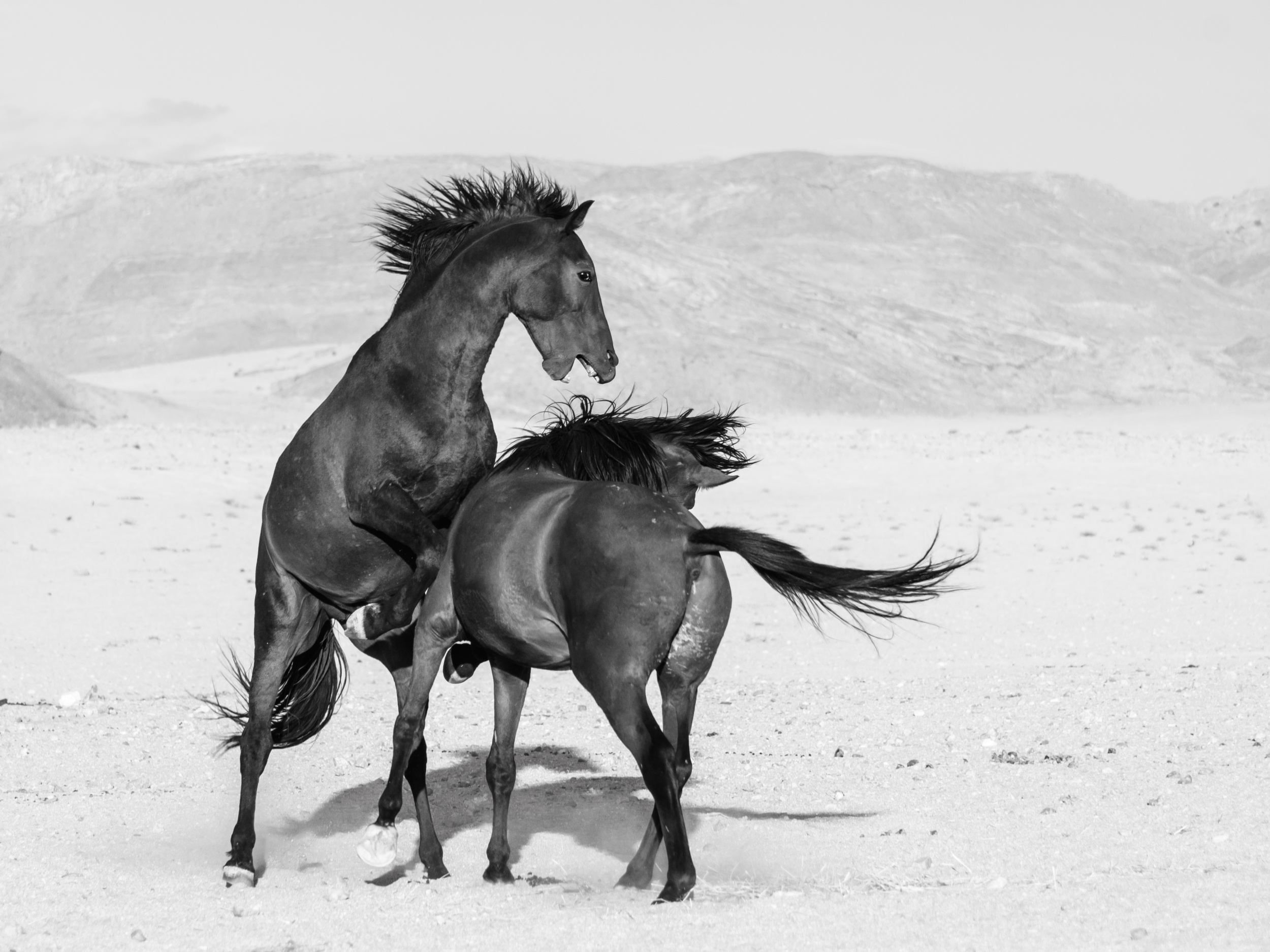
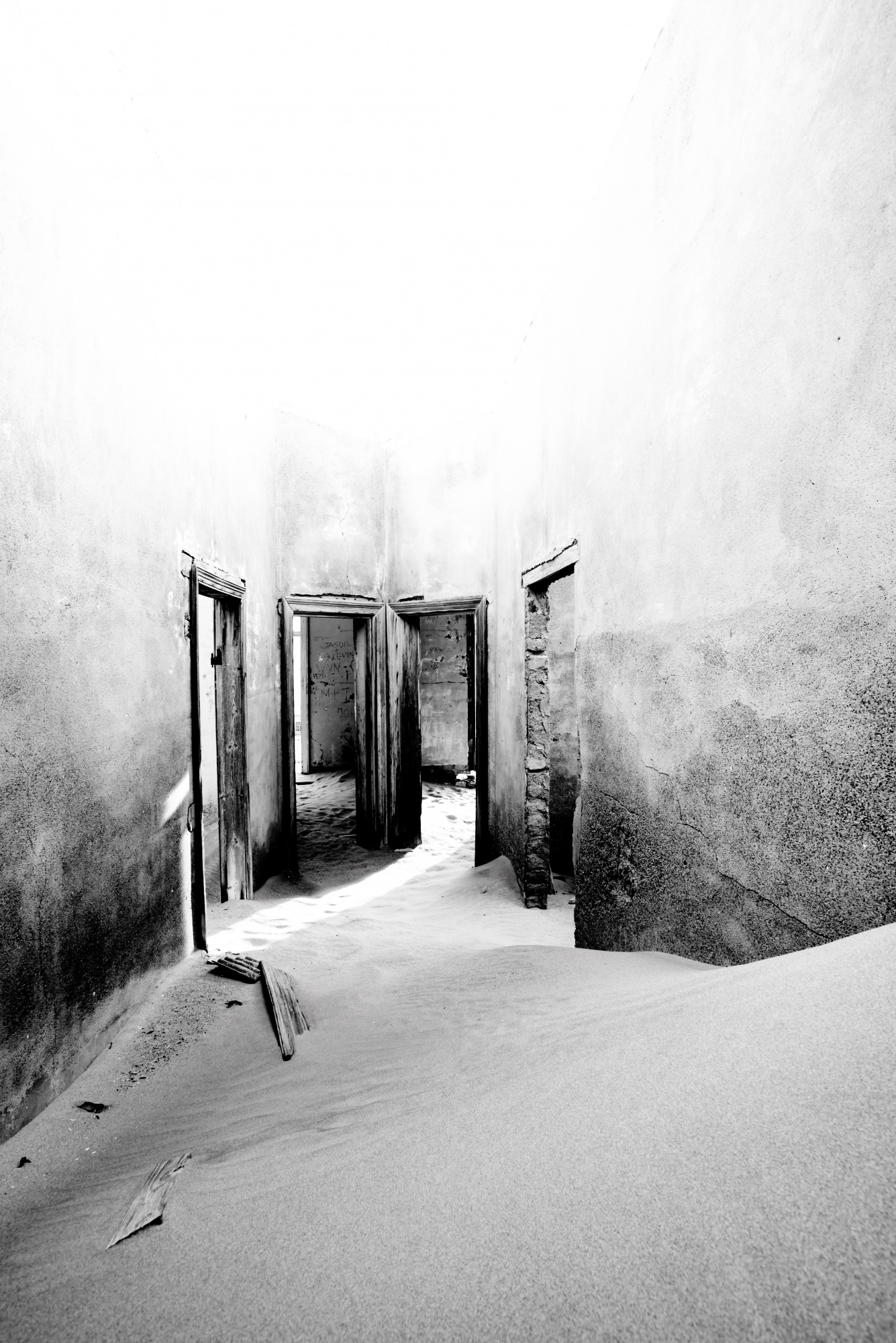
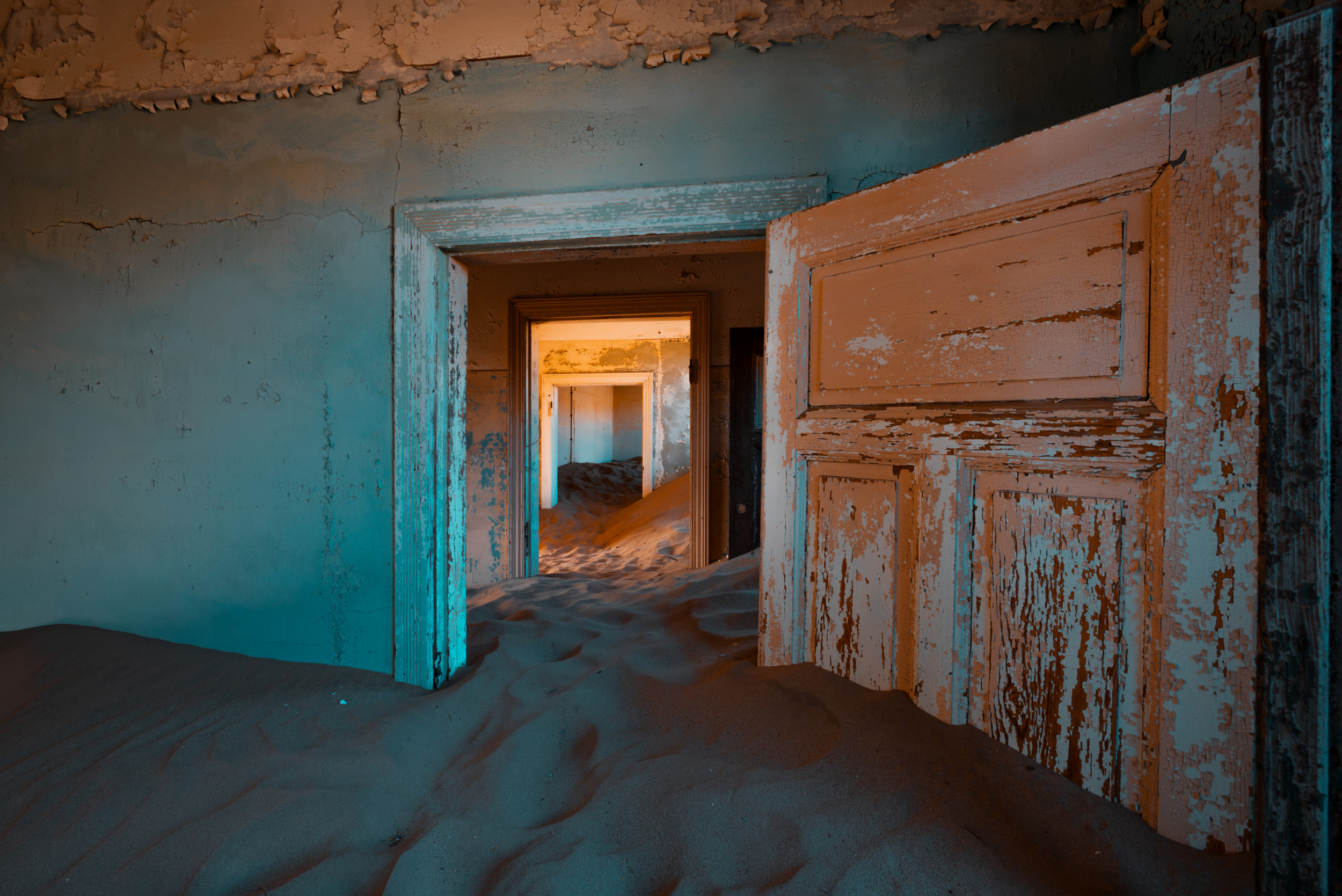
To trigger your curiosity, a small selection of images by concept.
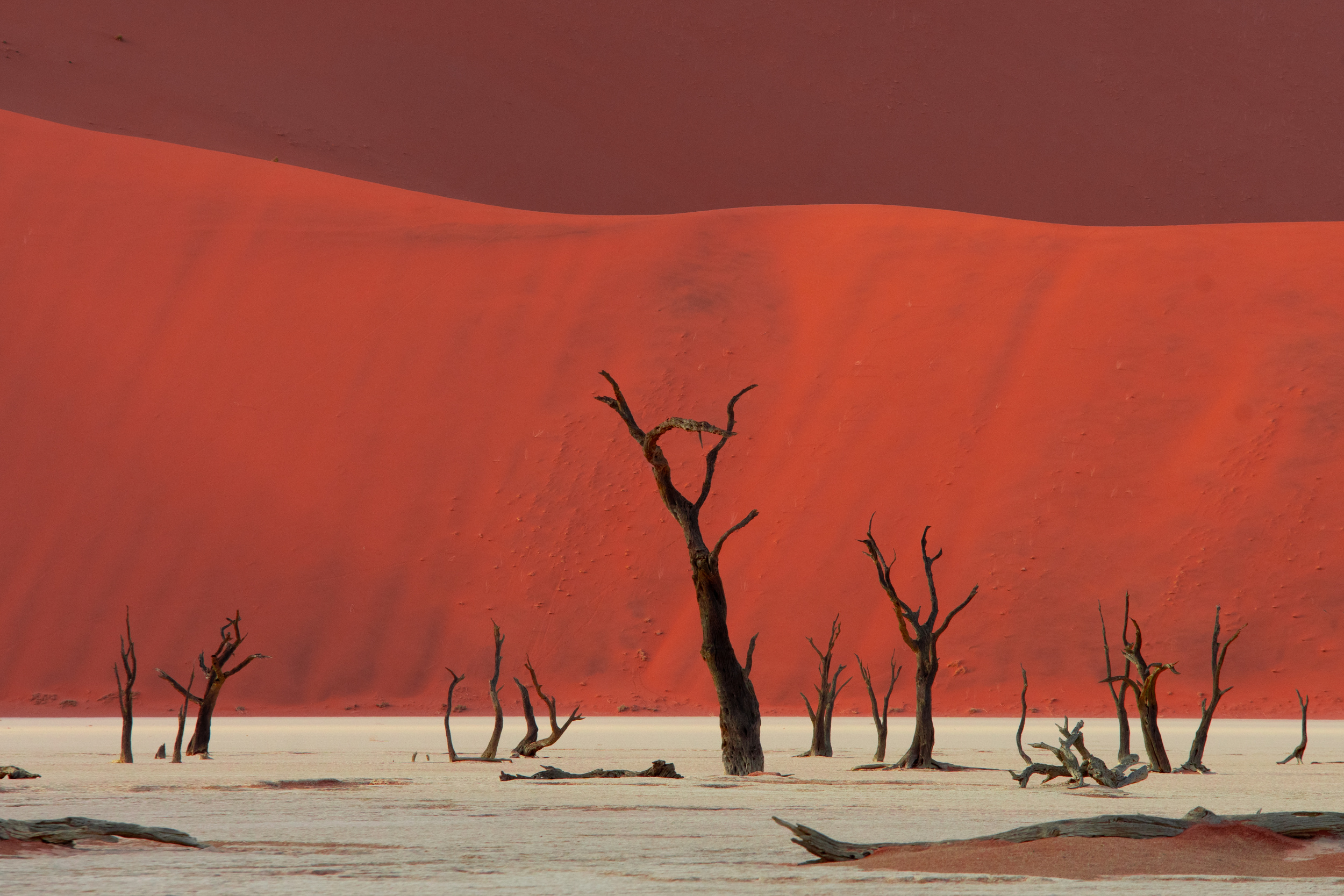 'Long Dead Beauty'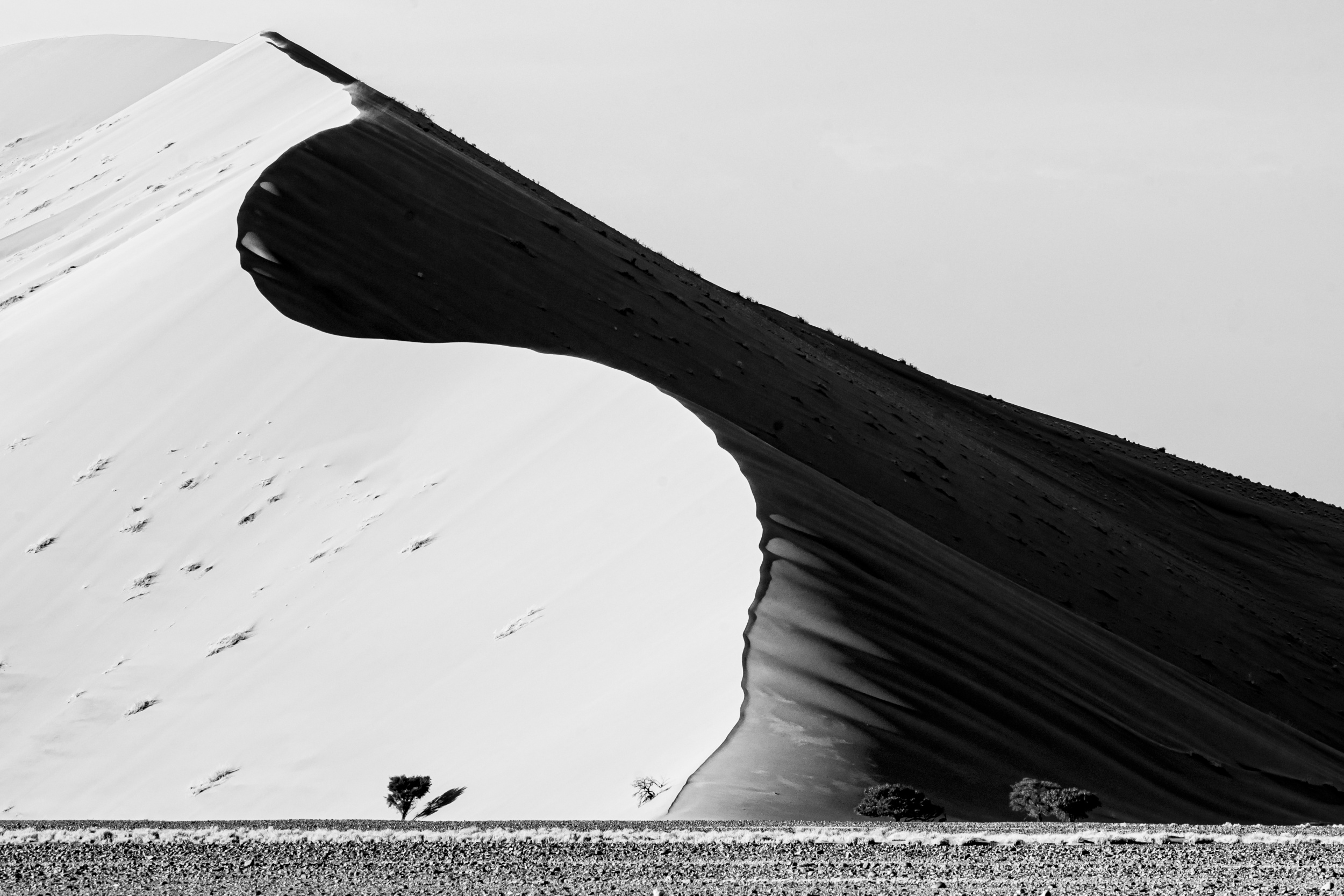
|
 | UTK42 PRO Thank you so much. I found a different page for architectural photography. |
 | Gabriela Pantu PRO I am truly delighted, dear Mike, I love your work and this exhibition is a delight. I also love the title, the pearl is an organic, fascinating gemstone and that is how it feels in this collection that captures the raw and breathtaking beauty, the mystery, the uniqueness.
Congratulations and thanks for sharing.Thank you, as always, dear Yvette.<3<3 |
 | Mike Kreiten CREW Thank you for your expressing your appreciation, dear Gabriela! And having a look at the complete gallery, of course. Just a few were awarded, if we could add "accepted" to galleries, I'd add even more. Good you mentioned Yvette, she's keeping the magazine alive and interesting. Glad I could contribute with my work. |
| | Arnon Orbach CREW Dear Mike, your beautiful galley of Namibia is a refreshing insight into a country that most of us have no vision of what to expect visually when we think about Namibia. Thanks so much for the visual introduction to Namibia 👏🏼👏🏼👏🏼 |
| Mike Kreiten CREW Thank you for the fine compliment, Arnon. Some places are well known to photographers, but there is a lot more to discover in this huge country, of course. I haven't been to the north-east even, which is again very different, tropical. |
 | Seiji Kamei PRO What a beautiful images. I am very encouraged with your work. Thank you for sharing. |
| Mike Kreiten CREW Thanks a bunch, Seiji! Yvette decided to share them, I just put them together in one gallery to motivate photographers to visit this fascinating country. Glad you enjoyed them. |
| | Jane Lyons CREW What fabulous photos Mike! I especially love the horses on that desert landscape. Thanks for sharing these. |
| Mike Kreiten CREW Thanks so much, Jane, glad you like them. The wild horses can be found close to a place called Aus. There is a water point they return to every evening. There were two herds, some of them even came over to us, were curious and probably hoped to get some food. But when they started wrestling, we went on distance. These two stallions were the wildest of all. |
 | Kathryn King PRO The kind of images that makes me want to travel! Love these, especially fond of the abandoned walls with sand. |
| Mike Kreiten CREW Glad if they inspired you, Kathryn, thanks for the fine compliment. The place is called "Kolmanskop", and its history is fascinating. Diamonds were simply lying around there, in the middle of the dessert. This little town was instantly so rich, they built a trainline for their supply, invited stars from all over the world to entertain them, had an ice facility to cool down their houses. This weird place was my main reason to visit Namibia, I wanted to photograph it for decades. |
| | schöne Serie mit ausdrucksvollen Bildern, gratuliere lieber Mike |
| Mike Kreiten CREW Vielen lieben Dank, Wolfgang! Freut mich. |
 | Elizabeth Allen CREW Congratulations on your exhibition, dear Mike. The minimalist landscapes are so inspiring along with the abandoned houses, and the wildlife must offer precious moments. I can't deny I'm envious! Thanks as always to Yvette. |
| Mike Kreiten CREW Thanks a bunch, dear Liz. Envy is the best compliment you can give me. Go there, you will love it. |
Tutorial led by Editor Michel Romaggi (kanadel) in collaboration with the author Vanja Tajnsek
Edited and published by Yvette Depaepe, the 29th of April 2026
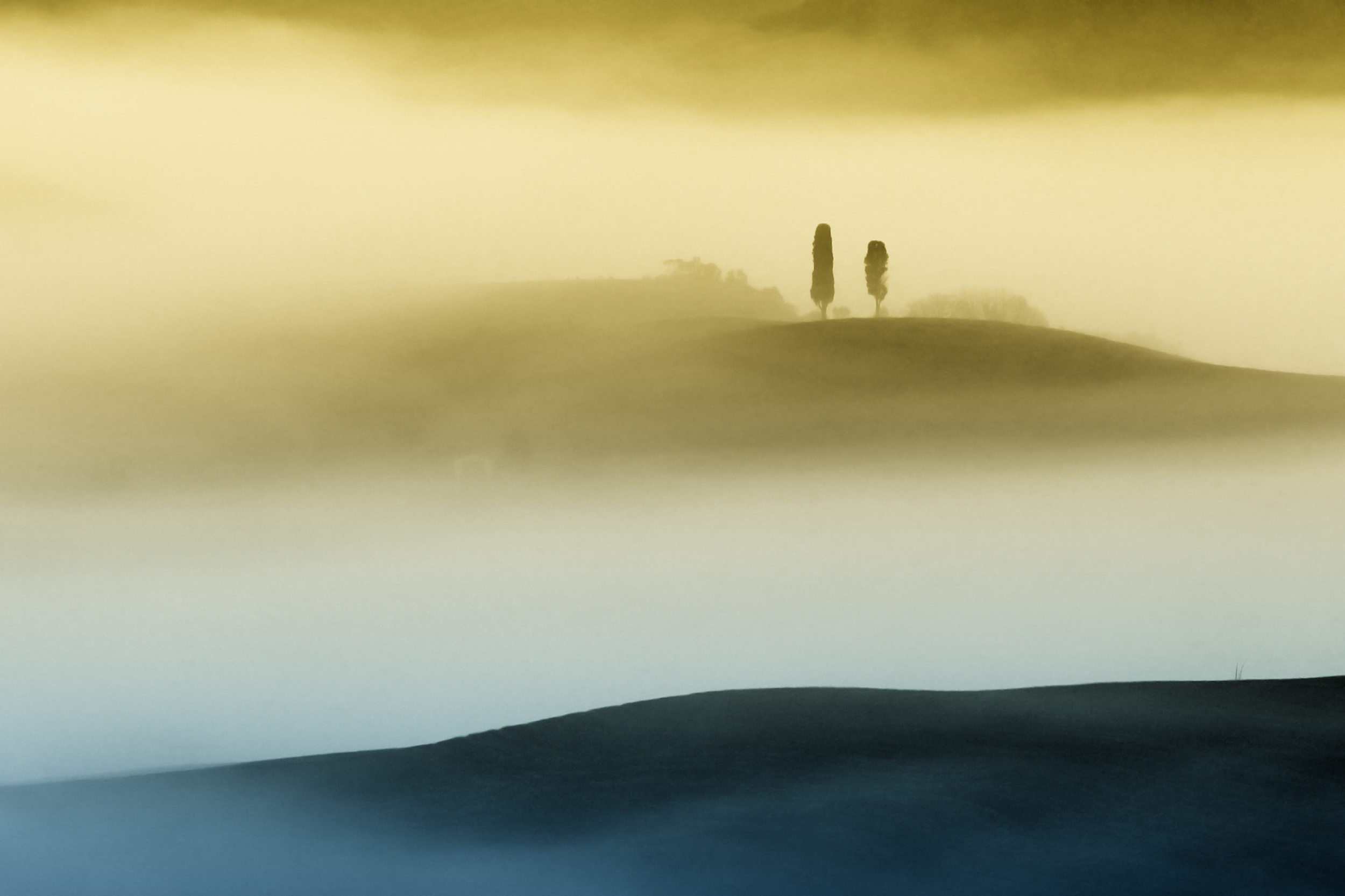
‘Tuscan tree-couple’
Vanja, can you tell us about the different steps involved in creating this wonderful shot?
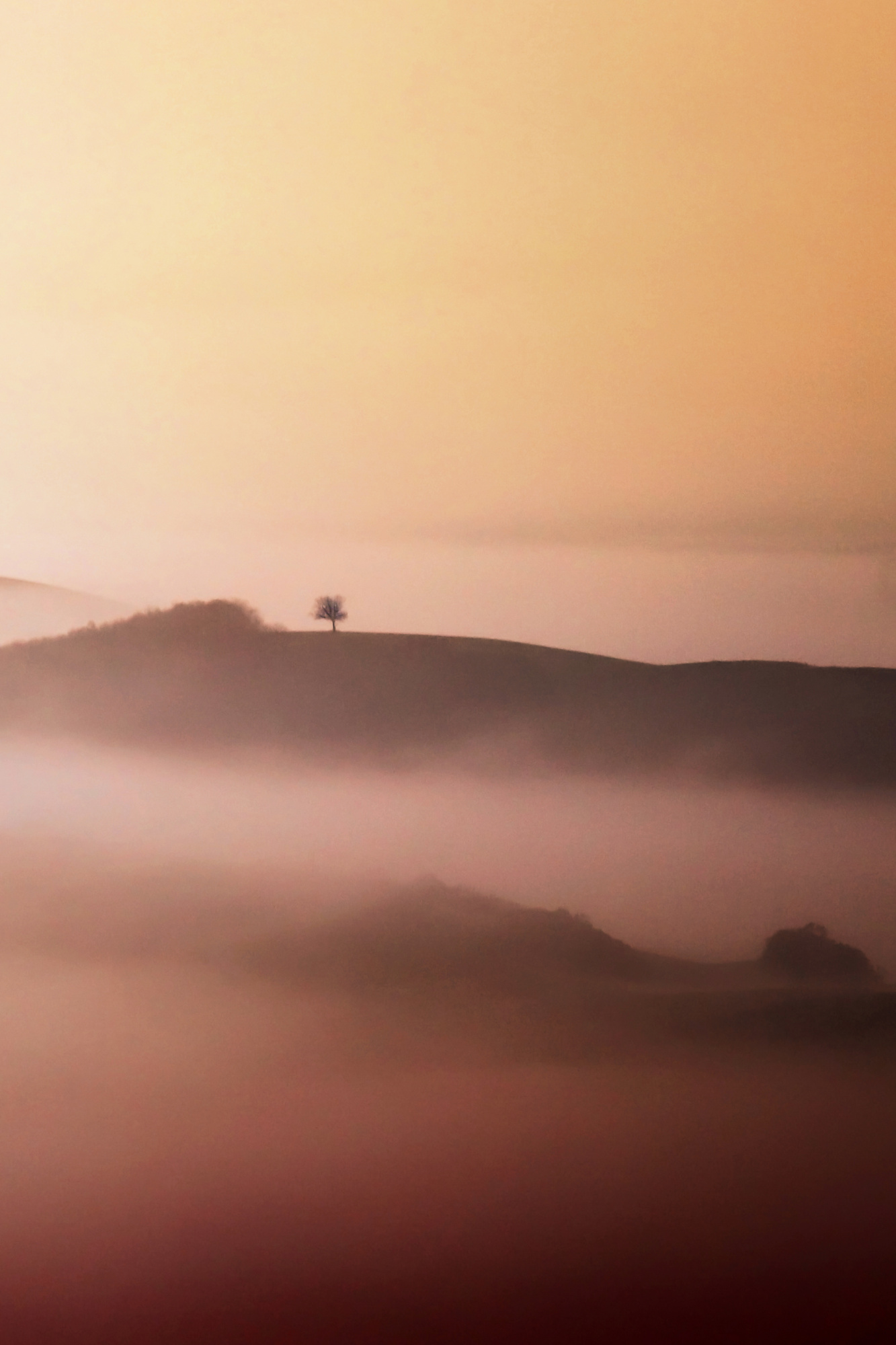
I love mornings when a veil of mist covers the hills. I wanted to capture that sense of mystery. The hilltops and trees emerge from the mist. However, it's one thing to admire the landscape in real life and quite another to then look at the photo on a computer screen.
1. Frame
Here is the original photo. To me, the composition seemed inappropriate.
The photo I present is therefore a cropped version of the original, including three interesting elements that are unfortunately too far apart.
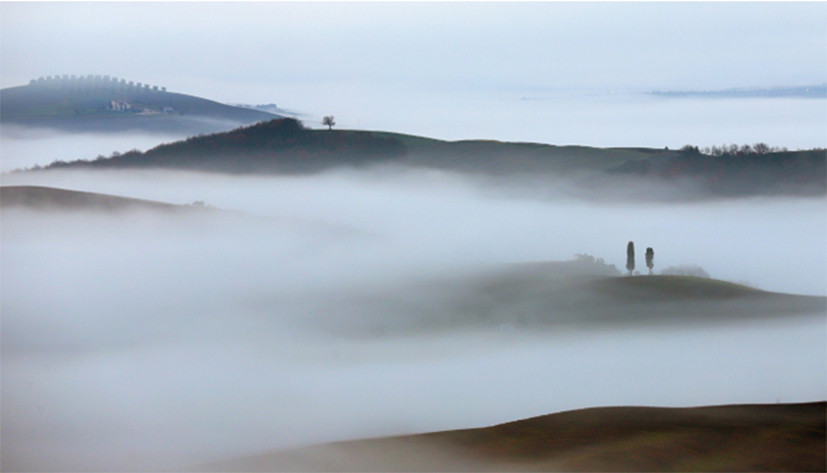
That’s why I decided to crop it.
The trees thus fill the space, providing a visual focal point and wonderfully balancing an otherwise empty composition.
2. Colours
As the sun was about to illuminate the landscape with its yellow tones, and I was no longer in that place, I added this interesting colour gradient in post-production in Photoshop, recreating the colourful morning in a way.
· I added a gradient of colours characteristic of the first rays of the sun spreading over a misty landscape, which usually lasts only a few minutes.
· The chromatic transition between warm yellowish tones and colder bluish tones adds depth and a subtle ambience. This makes the photograph seem minimalist and soothing, with a strongly accentuated atmosphere of fog that creates a sense of silence and space.
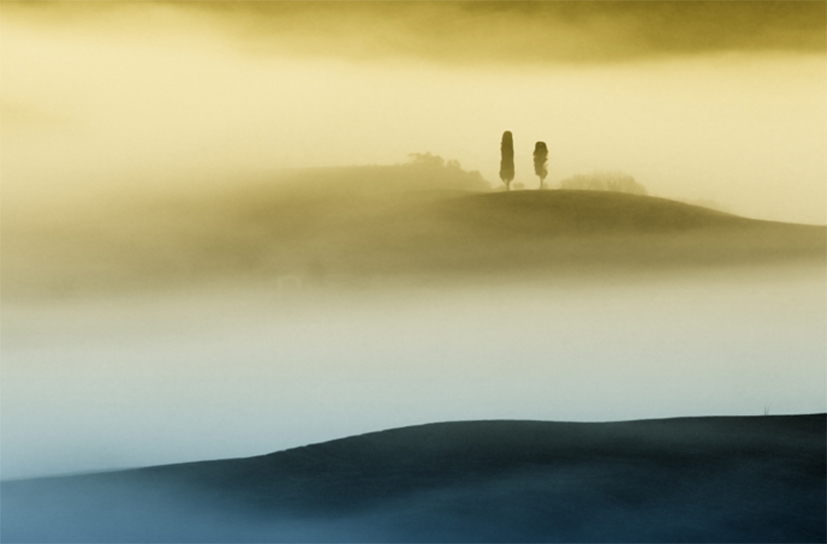
For me, the scene with soft colours is correct; it's exactly the one on my computer desk. When another photo taken in the morning was published, a critic wrote that I had succeeded in creating a pale and boring photo if that was my intention.
I admit to yielding somewhat to the demands of the average future viewer during the editing process, making the colours and contrasts as attractive as possible.
Yes, sometimes we also create for others, and there is nothing wrong with that.
What equipment did you use?
I took this photo with an old Canon EOS 6D Mark II camera, which I really liked using for my photography.
Lens: Canon 70–200 mm f/2.8 L IS USM II
Settings: F/7.1, 1/125 sec, ISO 500
Although I now work with a Canon R6 II, I am still a fan of my old Canon 70–200 mm lens.
Why are trees so important to you? Tell us about your series, 'The Trees: These Majestic Beings'.
Because my job is so demanding, I really enjoy wandering in nature in my free time. There, I find peace.
I love trees, and I love mornings when the mist adds an extra touch of magic to my surroundings. I love the peace and silence, and the trees, which are beautiful in all seasons and must be respected more because they bear strong stories. I have loved them since childhood. I enjoy being in their company, touching them, photographing them and including them in the news articles I write. I often try to associate them with birds.
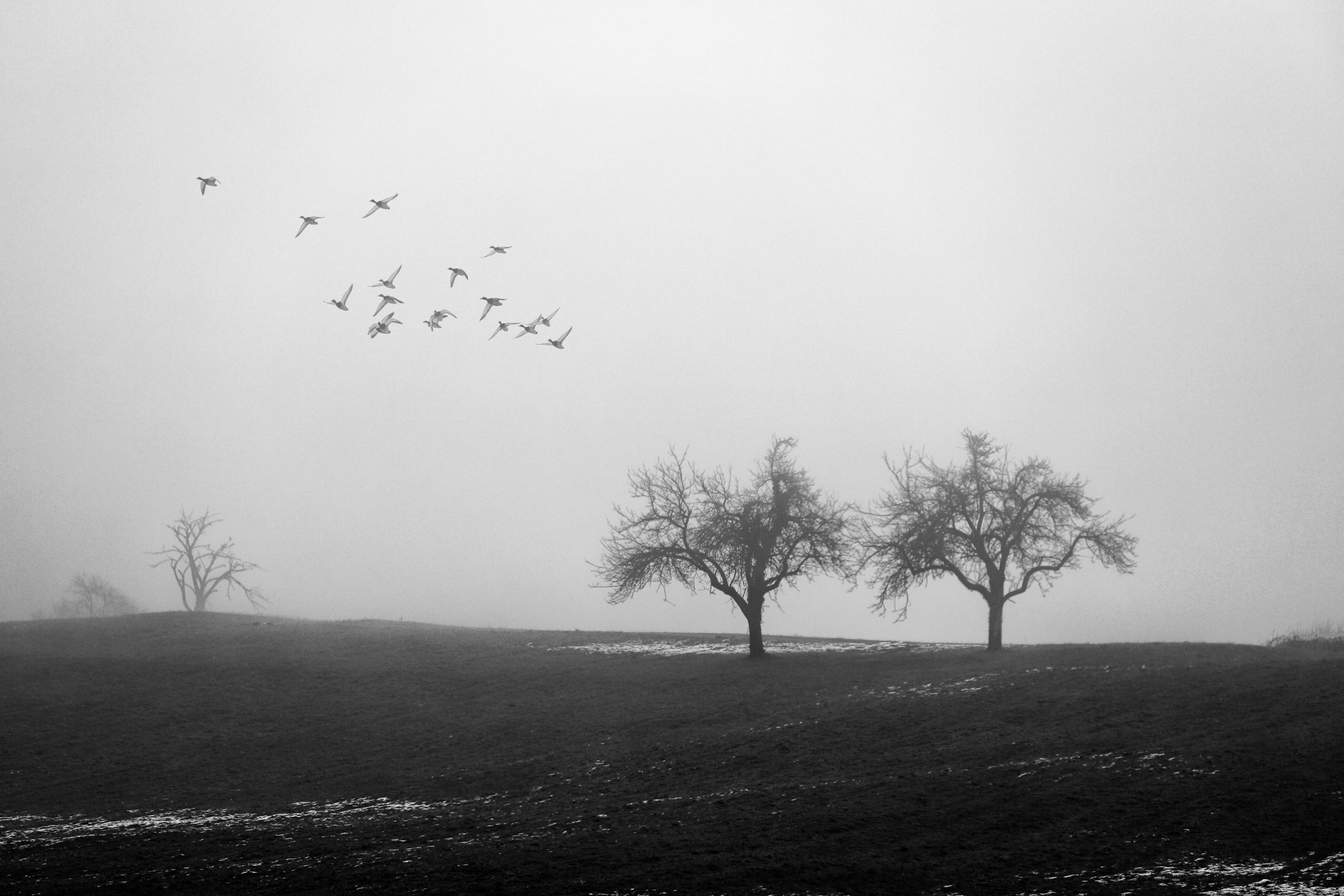
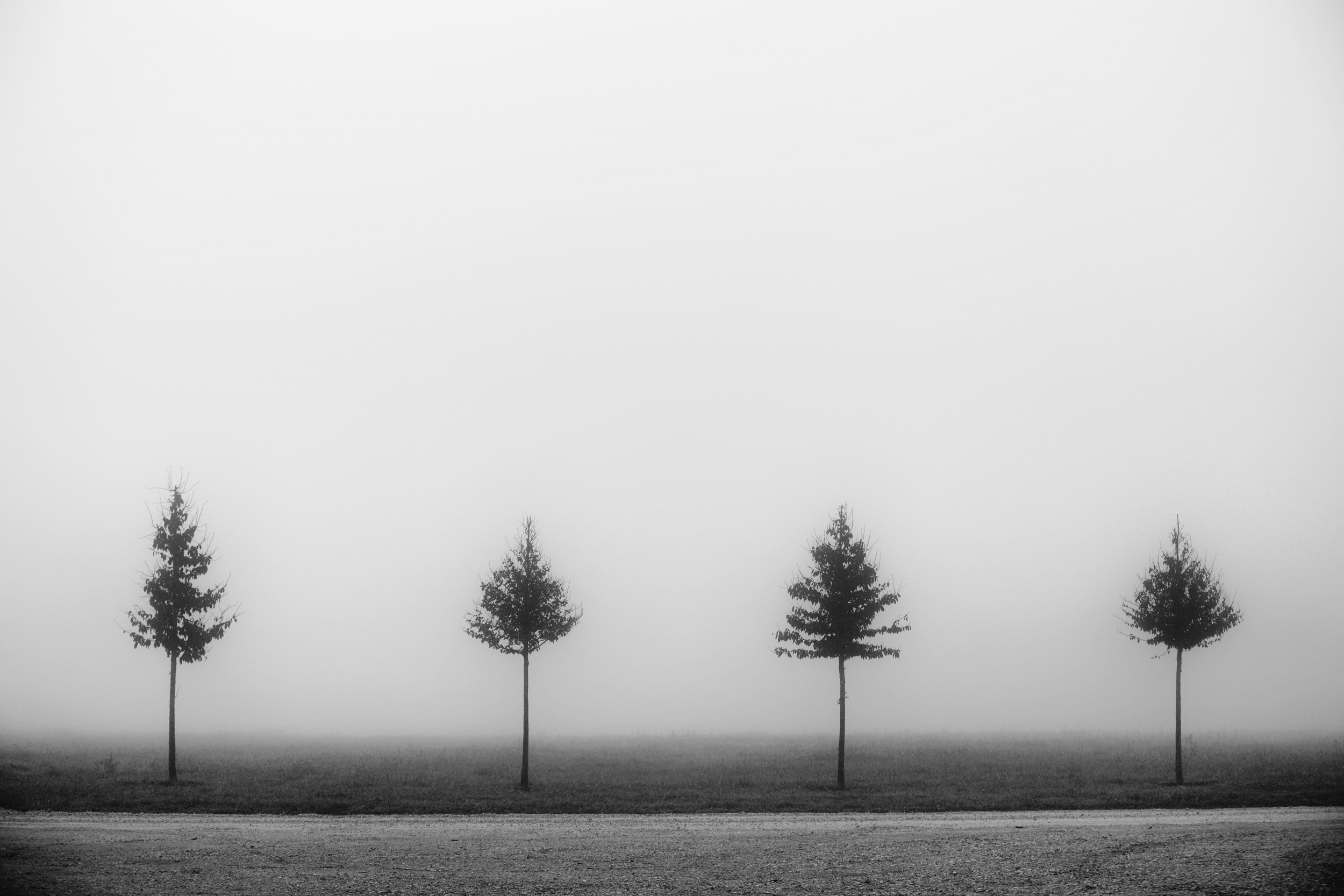
‘Foggy Morning’
‘They are coming 4’
To conclude this tutorial, please tell us more about your relationship with photography and yourself.
I am a photographer and writer from Slovenia. Through my lens, I observe humanity in all its contradictions, from raw vulnerability to silent tenderness. I am always seeking to capture moments of sincerity that transcend mere appearance. While I enjoy capturing critical moments in society, I also seek to counterbalance this by finding patterns in nature. While I am drawn to bright and contrasting colours, I also find magic in monochrome compositions and simple graphic lines. I often explore the boundaries between light and shadow, and between the abstract and the real. I try to capture a moment before it slips into oblivion. Each photo serves as a reminder of the beauty and complexity of the world around us.
I published the book Vanja RAW: Through the Eyes of a Photographer, in which socially critical motifs are accompanied by short texts in Slovenian and English.
I have received several awards for my literary and photographic creations, but my favourite is the Slovenske Fotografinje 2023 (Slovenian Photographers 2023) contest.
‘Good morning Tuscan Tree’
|
| | Md. Arifuzzaman PRO Fascinating work! |
 | Vanja Tajnsek PRO Thank you so much. |